


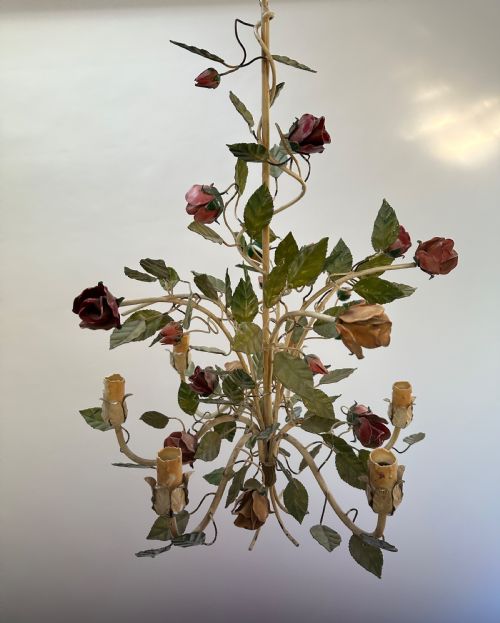


Wrought Iron Ceiling Pendant
A wrought iron ceiling pendant brings character overhead, combining robust metalwork with glass or crystal for lighting that anchors a room.
Wrought Iron Ceiling Pendant
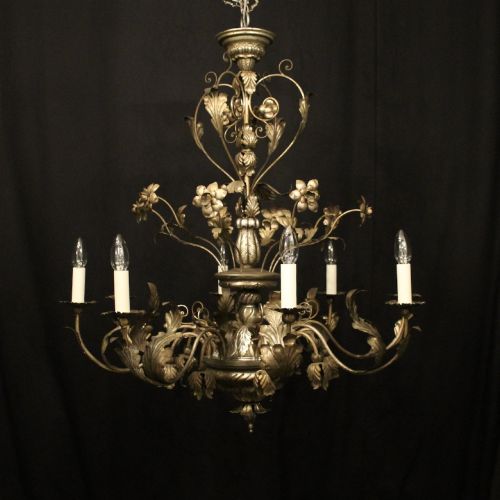
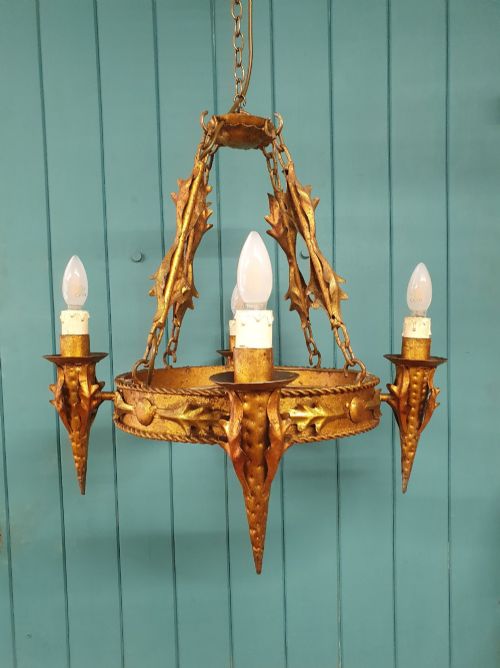
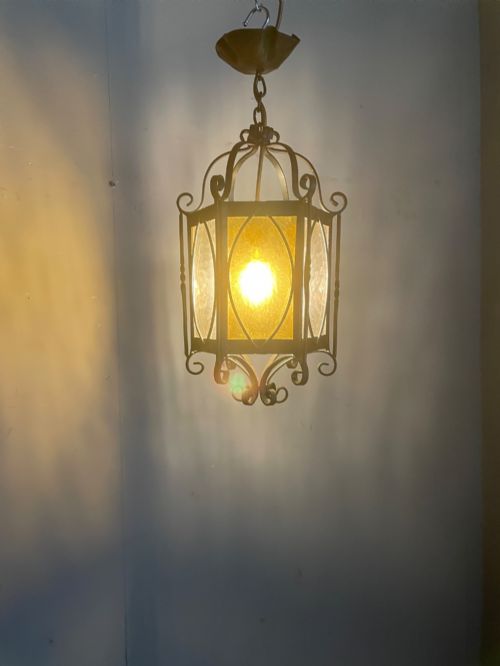
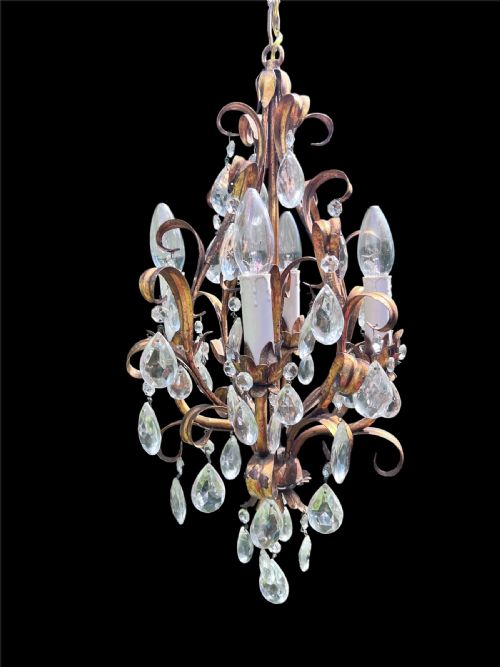
A wrought iron ceiling pendant encompasses various hanging lights, from multi-branched chandeliers and wagon wheels to glazed hall lanterns and porch fixtures. These pieces span centuries of design, with French and Italian origins appearing frequently alongside British Arts and Crafts examples.
The materials paired with the iron shape the character of each pendant, combining frosted glass, stained glass, and crystal fruits with gilt metal, brass, and copper. Pieces range from early forge work to twentieth-century Art Nouveau and Art Deco designs.
You will encounter pieces originating from the eighteenth century through to the interwar period, offering diverse proportions suitable for high ceilings or hallway spaces.
Evaluating Craftsmanship
Quality rests in the finesse of the blacksmith's hand, where fluid lines and balanced proportions distinguish bespoke forge work from simpler production pieces. The integration of the metal frame with specialised glass, whether leaded panels or moulded shades, indicates the original ambition of the maker.
The preservation of original surface treatments, including polychrome paint, gilding, and patination on the iron, dictates the visual authority of the pendant. Heavier gauge metalwork and complex multi-branch configurations separate standard lighting from more substantial examples.
Wrought Iron Ceiling Pendant Retail Price Guide 2026
Typical asking prices for wrought iron ceiling pendant among the pieces listed under this phrase on Sellingantiques today, from the lower quarter to the upper quarter. They describe what is for sale here now, not the wider market.
Some nineteenth-century iron frames sport handcrafted glass grapes and apples, proving that blacksmiths occasionally possessed a sweet tooth.
Verrerie Des Vosge·Muller Freres
The Wrought Iron Ceiling Pendant Glossary
- Wrought iron
- Iron that has been heated and worked with tools by a blacksmith. This material allows for decorative scrolling and structural strength in hanging frames.
- Hall lantern
- An enclosed ceiling light designed specifically for entrance halls and corridors. These often feature glazed panels to protect the internal candleholders or bulbs.
- Pate de verre
- A glass-making technique where crushed glass is packed into a mould and fused in a kiln. This produces textured, translucent shades common in Art Nouveau lighting.
- Coronet
- A smaller, crown-shaped chandelier frame. These fixtures usually feature an open circular band decorated with foliate or pierced metalwork.
- Wagon wheel
- A circular chandelier form resembling the wooden hub and rim of a cart wheel translated into iron. It provides a wide distribution of light points.
Wrought Iron Ceiling Pendant: Frequently Asked Questions
How do I clean a wrought iron pendant?
Dust the iron framework regularly with a dry cloth and avoid harsh chemical cleaners that can strip the historic patination. Glass and crystal components can be wiped down gently using a mild soapy solution while supported.
Take care around delicate painted or gilt surfaces on the metalwork. Ensure the power is completely switched off before undertaking any maintenance.
Are these pendants heavy to hang?
Many wrought iron and glass pendants carry considerable weight due to the solid metal armature and thick glass panels or drops. Professional installation involving ceiling joist reinforcement is usually required for safety.
Check the suspension points and chains before hanging to ensure they support the total mass of the fixture.
Can I use modern bulbs in these?
Most antique fixtures accept standard modern candle or bulb fittings provided they comply with current electrical safety standards. Rewiring is frequently necessary to meet modern regulations.
Consult a qualified electrician to adapt the internal wiring without compromising the historic fabric of the metal frame.
How do I date a wrought iron pendant?
Dating relies on stylistic indicators such as the sinuous lines of Art Nouveau, the geometric forms of Art Deco, or the medieval revival details of Arts and Crafts pieces. Construction methods, including hand-forging marks versus cast elements, also provide clues to the period.
Comparing the glass type and suspension hardware helps narrow down the era of manufacture.