







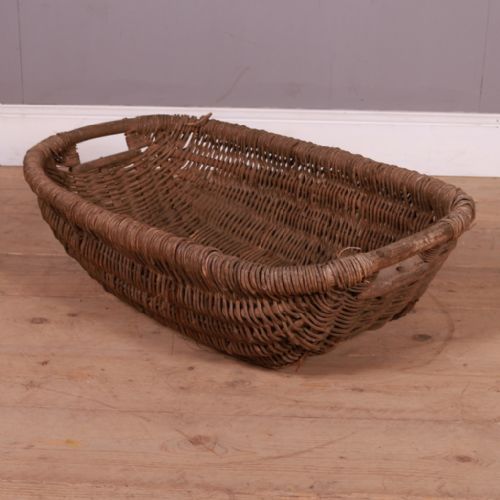


Woven Storage Basket
These woven storage basket examples bring texture and utility to a room through traditional handcraft and enduring natural materials.
Woven Storage Basket
A woven storage basket brings traditional utility into modern interiors through practical forms built for holding logs, linen, and household items. The pieces gathered here draw from nineteenth and early twentieth century traditions across England, France, Scandinavia, and China.
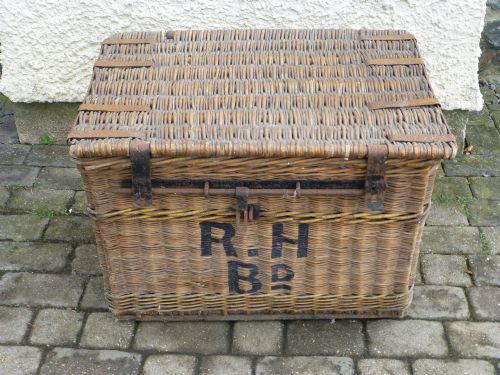
Buyers will most frequently encounter generous proportions intended for heavy domestic use, including travelling trunks, harvest hampers, and tall log carriers. Many of these sturdy vessels utilise regional styles such as Scandinavian country, French country, and rustic farmhouse aesthetics.
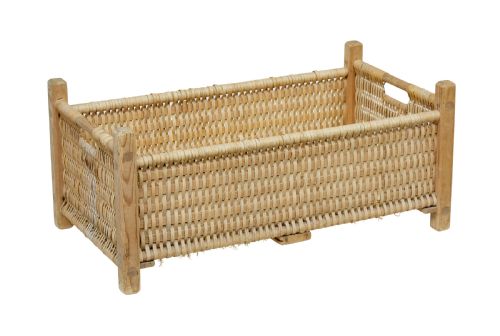
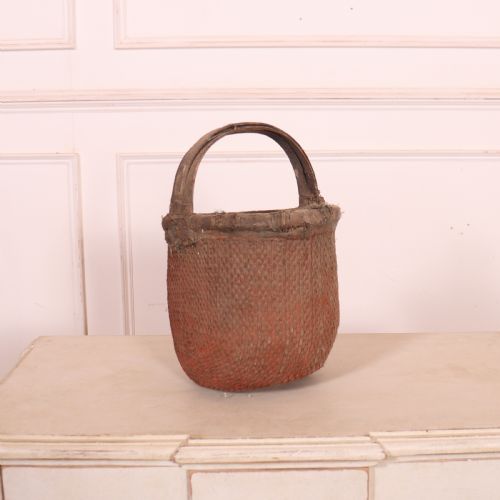
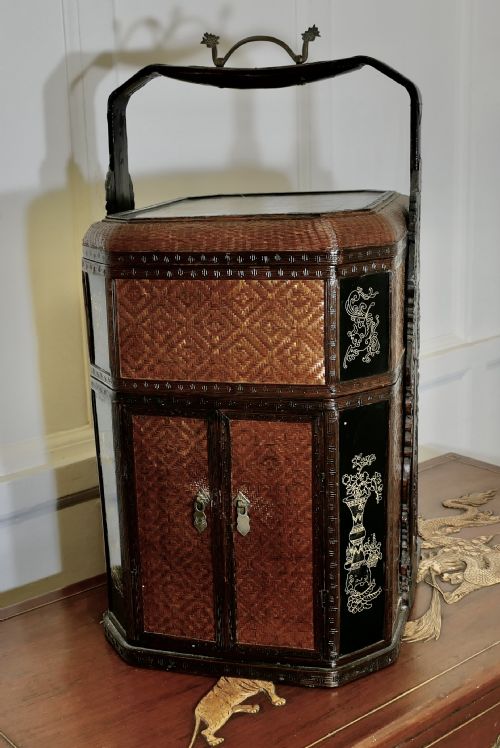
Surviving examples range from simple pine and willow weaves to robust wicker mill baskets and bamboo wedding carriers. Each item bears the distinct marks of hand construction, offering functional storage with a distinct historical pedigree.
Materials and construction methods
Construction relies heavily on natural plant fibres and flexible woods shaped by hand into rigid structures. Makers selected pliable materials such as wicker, cane, willow, and bamboo for their tensile strength and ability to form tight, supportive walls.
Rigid elements like pine, wood splint, and iron provide structural reinforcement for larger travelling trunks, linen hampers, and tiered stands. These timber and metal components ensure the vessels maintain their load-bearing capacity over decades of domestic service.
Woven Storage Basket Retail Price Guide 2026
Typical asking prices for woven storage basket among the pieces listed under this phrase on Sellingantiques today, from the lower quarter to the upper quarter. They describe what is for sale here now, not the wider market.
Factors affecting quality and integrity
The standard of a piece rests on the tightness of the weave and the structural integrity of the primary frame. Tightly packed natural fibres and secure binding around rims and handles indicate careful workmanship designed to withstand heavy daily loads.
The preservation of original surface treatments, whether bare weathered pine, painted finishes, or aged iron fittings, influences the character of the object. Examples that retain their structural soundness without extensive replacement material represent the higher end of the range.
The Woven Storage Basket Glossary
- Wicker
- A method of weaving pliable plant materials into rigid items such as baskets and furniture. It relies on materials like willow, reed, and rattan to create breathable yet strong containers.
- Cane
- The peeled, fibrous bark of the rattan palm used for sturdy binding and woven structures. It provides exceptional flexibility and tensile strength for heavy-duty storage vessels.
- Pine
- A softwood commonly used for the solid bases, rims, and structural framing of woven baskets and trunks. It offers lightweight durability and takes paint or natural ageing well.
- Wood Splint
- Thin strips of timber split along the grain and used in traditional basketry. This technique yields rigid, flat-sided containers suited for stacking and heavy storage.
Woven Storage Basket: Frequently Asked Questions
What were antique baskets used for?
These vessels served specific domestic and agricultural functions ranging from harvesting grapes and champagne to transporting laundry and storing firewood.
Larger trunks and mill baskets managed heavy transport duties, while specialised pieces like egg crocks and wedding baskets fulfilled localized domestic roles.
How do I clean an old basket?
Gentle dusting with a soft brush or a low-suction vacuum attachment removes loose debris from natural weaves without introducing damaging moisture.
Water can warp wood and weaken dried plant fibres, so liquid cleaners should be avoided entirely in favour of dry maintenance.
Are these baskets suitable for log storage?
Sturdy wicker and cane receptacles with reinforced bases handle the weight and rough texture of firewood quite effectively.
Placing them beside a hearth introduces practical utility alongside the tactile warmth of nineteenth-century craftsmanship.
How do I date a woven basket?
Dating relies on identifying material choices, construction techniques, and regional tool marks associated with nineteenth and early twentieth century production.
Iron fastenings, timber preparation methods, and style markers such as Scandinavian or French country origins help narrow the manufacturing period.