

Worcester Fruit Painting
Worcester fruit painting brings together fine porcelain and botanical artistry, offering hand-painted plates and vessels that capture rich natural detail.
Worcester Fruit Painting
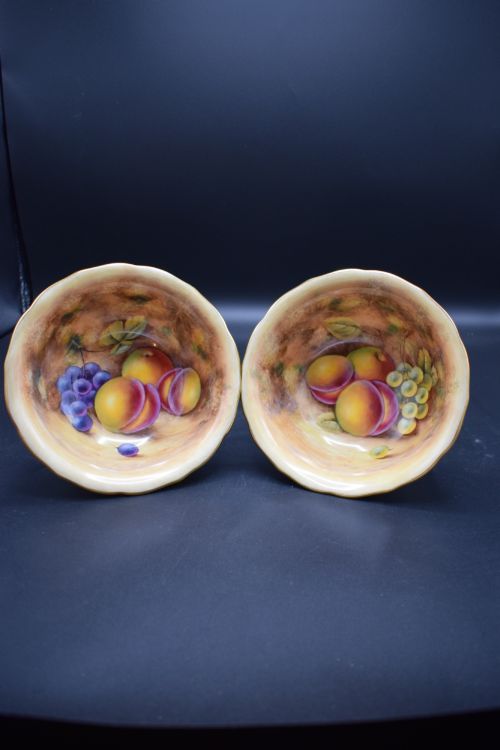
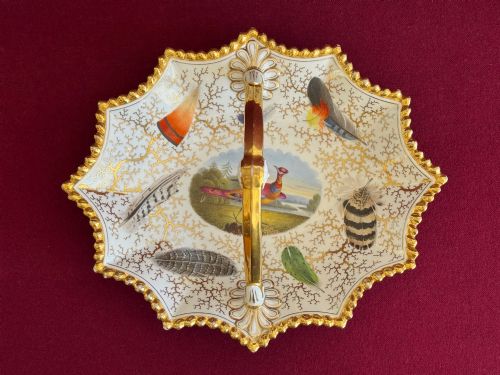
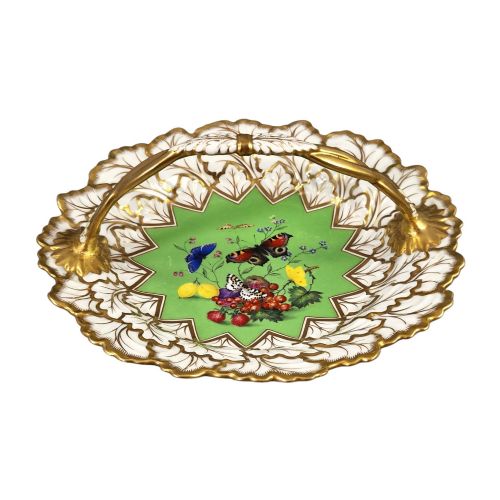
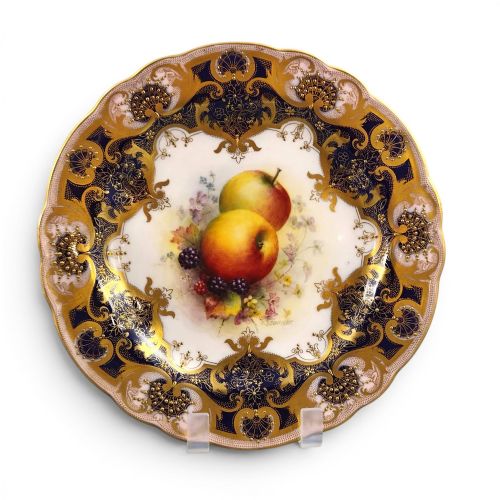
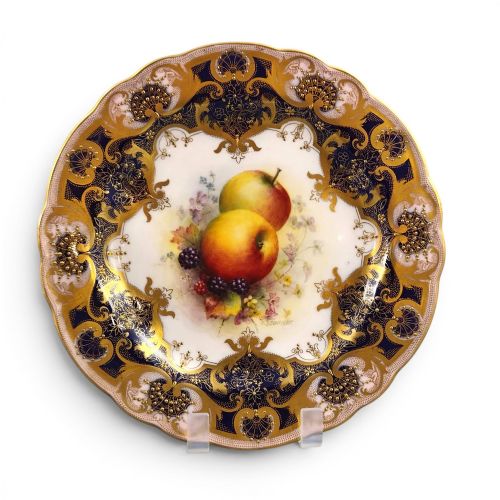
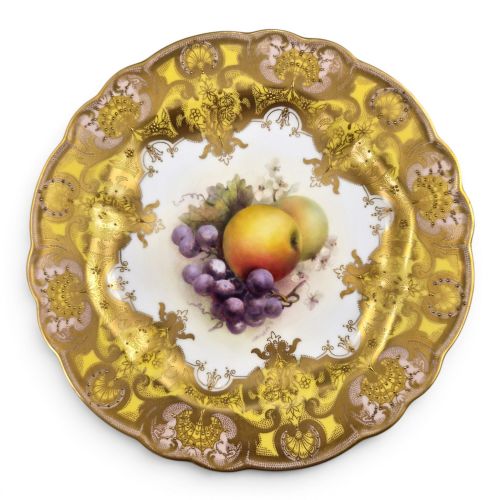
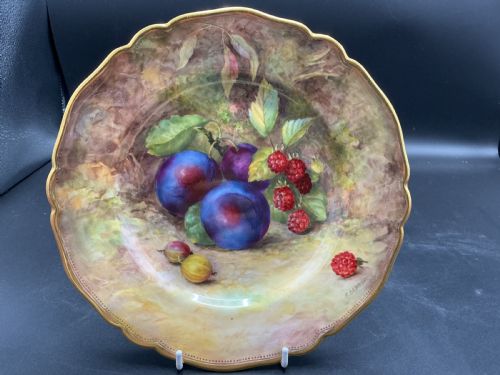
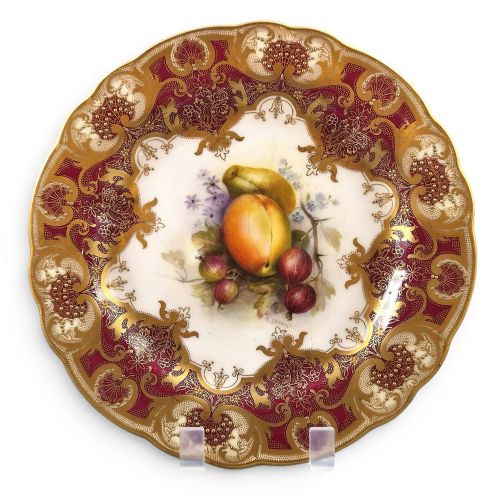
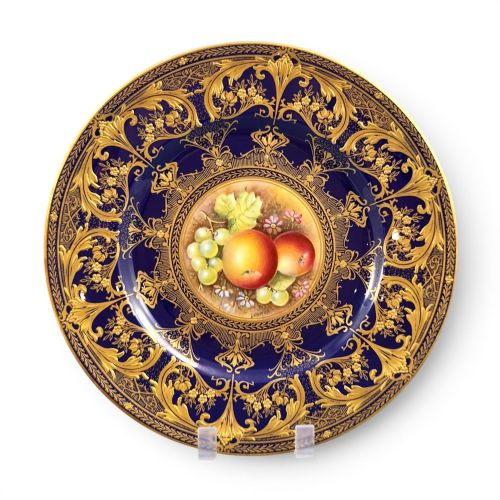
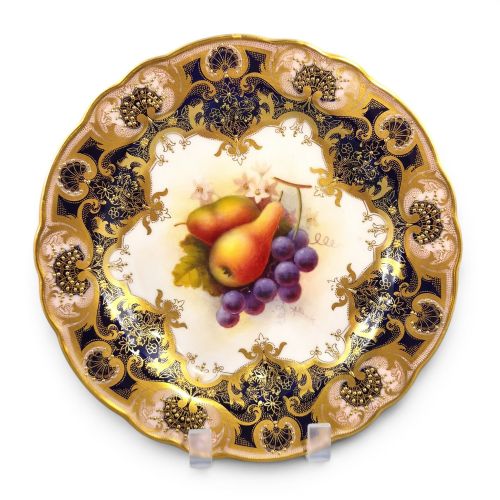
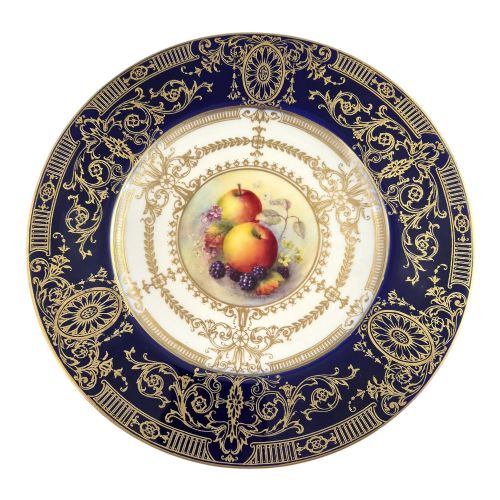
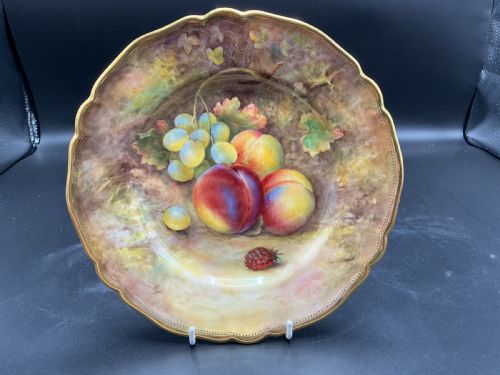
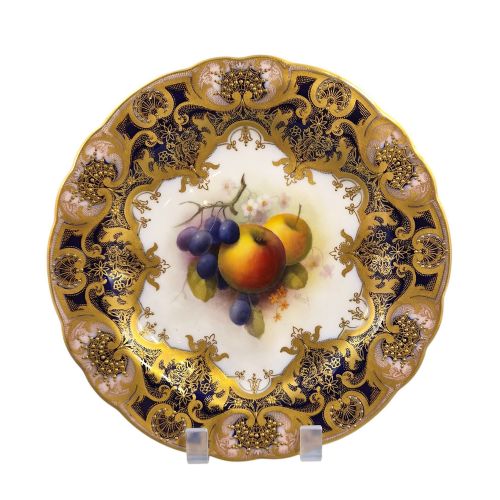
When you examine worcester fruit painting pieces, you encounter cabinet plates, vases, and decorative dishes adorned with meticulous studies of orchard fruits. These items span from early Regency baskets by Flight, Barr and Barr to twentieth-century Royal Worcester tablewares and display pieces.
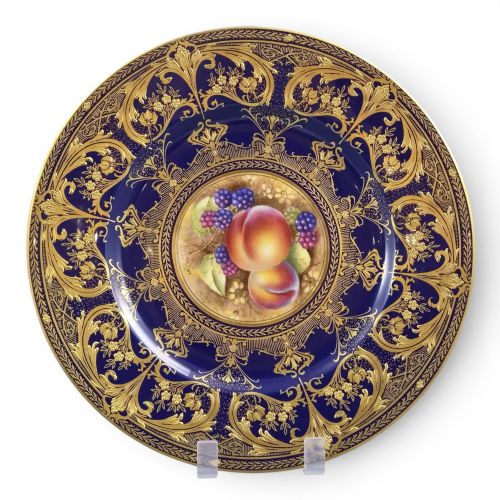
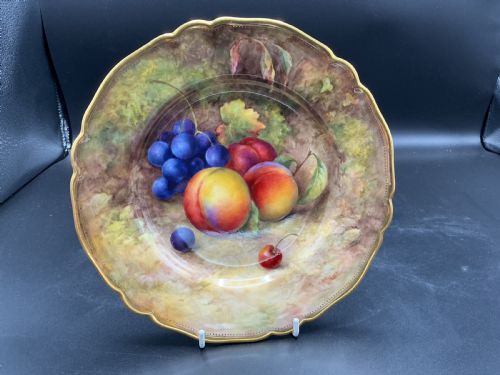
The objects most frequently met on this page are Royal Worcester cabinet plates and decorative dishes bearing signatures from notable studio artists. Such pieces transform natural subjects into formal studies, designed primarily for visual display rather than everyday dining.
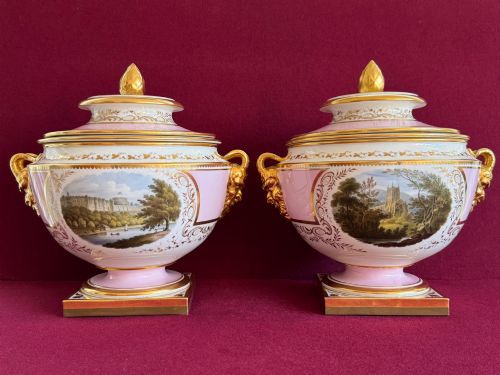
Earlier examples bridge the eighteenth and nineteenth centuries, including polychrome chestnut baskets and Regency ice pails with hand-painted motifs. These foundational works establish the factory's long tradition of handling botanical subjects on fine ceramic bodies.
Materials and technique
The foundation relies on porcelain and bone china bodies, shaped into plates, ewers, and ginger jars before receiving high-temperature firing. Artisans then apply enamel colours by hand, building up the rich tones of peaches, grapes, and berries through repeated kiln firings.
Gilding and gold leaf frame the painted panels, often adding raised gold borders or intricate edge detailing around rope-edged plates and pot pourri vases. This combination of fluid paintwork and metallic lustre defines the physical presence of each piece.
Worcester Fruit Painting Retail Price Guide 2026
Typical asking prices for worcester fruit painting among the pieces listed under this phrase on Sellingantiques today, from the lower quarter to the upper quarter. They describe what is for sale here now, not the wider market.
Listings include porcelain and bone china forms ranging from eighteenth-century chestnut baskets to mid-century rope-edge dinner plates and tea sets.
Distinctions in quality
Quality rests in the density and naturalism of the brushwork, where master artists capture the subtle bruising, dew, and ripeness of the fruit. Pieces painted by recognised hands display greater depth of colour and finer textural control in the background foliage.
The application of gilding also separates standard production from superior examples, with raised and chased gold leaf indicating higher workshop standards. Furthermore, the complexity of the porcelain form, from simple cabinet plates to handled urns and lidded jars, dictates the ambition of the manufacture.
Flight Barr and Barr·Royal Worcester·Chamberlain Worcester
The Worcester Fruit Painting Glossary
- Cabinet plate
- A decorative ceramic plate intended for display in a cabinet or on a wall rather than for table service. These pieces usually feature elaborate painted scenes and gilt borders.
- Pot pourri
- A decorative lidded vase or jar designed to hold dried scented plant material, featuring pierced openings for fragrance diffusion. Worcester examples often combine fruit painting with ornate handles and covers.
- Gilding
- The application of gold leaf or gold paint to ceramic surfaces for decoration. Raised gilding involves building a base layer to create a three-dimensional metallic effect.
- Enamel
- Opaque glass-based colour fused to the porcelain surface during firing. This medium allows for the vibrant and permanent hues seen in botanical and fruit studies.
- Ewer
- A large jug with a wide spout and elaborate handle, traditionally used for water but often produced as an ornamental vessel. In Worcester production, these forms provide a sweeping canvas for fruit artists.
Worcester Fruit Painting: Frequently Asked Questions
Who painted these pieces?
Many items bear the signatures of renowned factory artists such as Richard Sebright, Albert Shuck, and John Smith. These specialists focused on botanical and fruit studies, developing distinct styles within the workshop.
Their signatures are typically found near the edge of the painted panel, serving as a mark of individual artistry on factory-produced porcelain.
How should I display cabinet plates?
Cabinet plates are best housed in well-lit display cabinets or mounted securely on walls using non-damaging hangers. Because the enamel and gilding can be sensitive to abrasive cleaning, they require only gentle dusting with a soft cloth.
Keeping them away from direct, prolonged sunlight helps preserve the vibrancy of the hand-painted fruit colours over time.
What periods do these pieces cover?
The selection spans from eighteenth-century works by early factories through Regency period baskets and ice pails. Twentieth-century examples from Royal Worcester form a significant portion, ranging from the Edwardian era through the mid-century decades.
Each period reflects shifts in porcelain body composition, decorative styles, and artistic signatures.
Are these pieces meant for dining?
Most items categorized under this painting style are decorative cabinet pieces, tea sets, or serving dishes intended for occasional use or display. The delicate nature of the hand-painted enamels and extensive gilding means they are rarely suited for heavy daily service.
Handling them with care ensures the gold leaf and painted surfaces remain intact for future generations.