

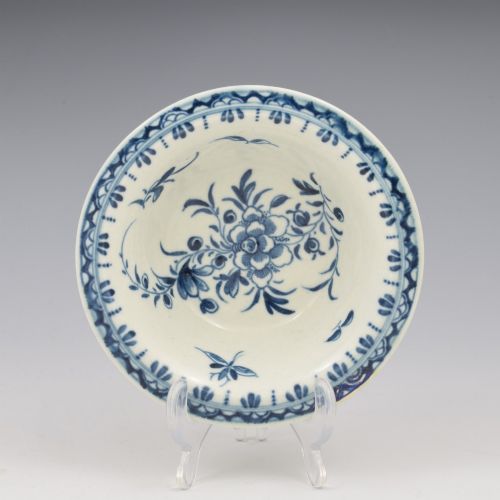


Worcester China Saucer
A worcester china saucer brings tactile history to the table, offering porcelain shaped by centuries of English kilns.
Worcester China Saucer
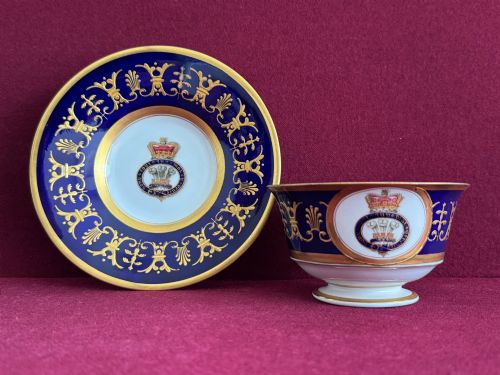
A worcester china saucer represents delicate ceramic production spanning from the eighteenth century into the twentieth century, often appearing alongside matching teacups or as part of a trio. These pieces originate from Georgian and Regency workshops as well as later periods, capturing the evolution of domestic tea drinking in England.
The most frequent examples found in these listings date from the eighteenth and early nineteenth centuries, produced during periods such as the First Period under Dr Wall and later iterations under Flight, Barr and Barr or Chamberlain. Later twentieth century items also appear, demonstrating continuous production by the factory across diverse aesthetic movements.
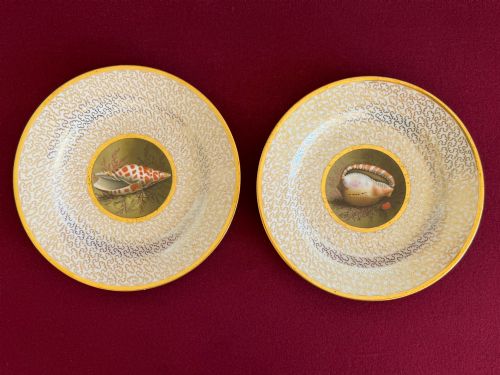
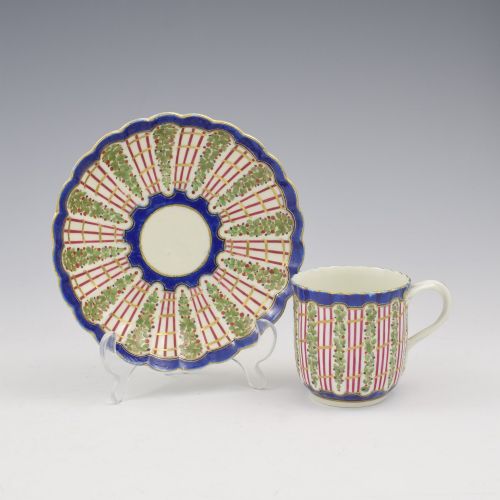
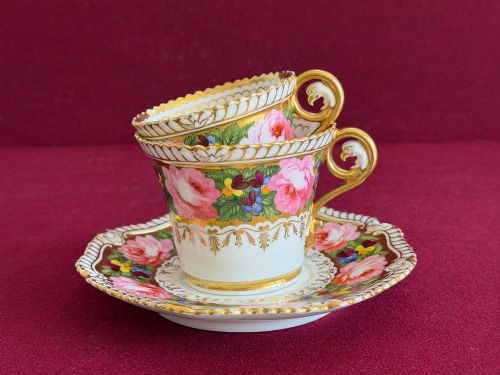
Forms include tea bowls with matching saucers, coffee cups and saucers, and decorative dishes, all shaped from fine ceramic bodies. Buyers encounter hand-painted birds, blue and white transfer designs, and gilded borders that reflect the changing tastes of their respective decades.
How they were made
Makers utilised porcelain and soft-paste porcelain as the primary body for these saucers, often applying an even glaze to seal the ceramic surface before decoration. Early pieces required careful firing in wood or coal kilns, which demanded high skill to prevent warping during the intense heat.
Decoration relied on hand-painting using enamel colours and gold leaf or gilding, applied over or under the glaze depending on the workshop and period. Skilled artisans painted intricate motifs such as birds, floral patterns, and Chinese-inspired designs directly onto the fired porcelain surface.
Worcester China Saucer Retail Price Guide 2026
Typical asking prices for worcester china saucer among the pieces listed under this phrase on Sellingantiques today, from the lower quarter to the upper quarter. They describe what is for sale here now, not the wider market.
Materials recorded across these items include soft-paste porcelain, bone china, enamel, and applied gold leaf.
What varies in quality
The refinement of the porcelain body and the crispness of the underglaze or enamel painting separate standard production from exceptional work. Finer examples display meticulous brushwork in complex motifs like fancy birds or intricate scale grounds, executed with precise control over colour and line.
The application of gold leaf and gilding dictates much of the visual distinction between pieces, with heavier, burnished gold indicating superior workshop output. Additionally, the survival of the original glaze without excessive wear or firing blemishes elevates the standing of an individual saucer.
Royal Worcester·Barr Flight and Barr·Chamberlain Worcester·Dr Wall·Flight Barr and Barr
The Worcester China Saucer Glossary
- Soft-paste porcelain
- An early ceramic composition of clay, glass, and ground minerals fired at lower temperatures than hard-paste porcelain. It produced a warm, creamy body favoured by eighteenth-century English factories.
- Underglaze
- A method of applying pigments to a ceramic piece before it receives its final glassy coating and second firing. This protected the colour from daily wear.
- Enamel
- Opaque glass-based paints applied over the fired glaze to introduce vibrant colours such as turquoise, pink, and green. These required an additional low-temperature firing to fuse with the surface.
- Gilding
- The application of gold leaf or powdered gold to rims, handles, and borders. Burnishing gave this metallic detail a brilliant shine.
- Tea bowl
- A small, handleless drinking vessel used for tea before the widespread adoption of handled cups. It is frequently paired with a matching saucer in early sets.
Worcester China Saucer: Frequently Asked Questions
How do I care for antique saucers?
Wash these porcelain pieces gently by hand using mild soap and warm water, avoiding abrasive sponges or modern dishwashers. Dry them thoroughly with a soft cloth to protect any delicate gilding.
Store them securely in a stable environment away from direct sunlight and sudden temperature shifts. Using padded dividers prevents friction damage when stacking items.
Were these saucers used daily?
Eighty-century and Regency examples typically served wealthy households during formal tea ceremonies, functioning as status symbols. They were often part of larger services used to entertain guests in the parlour.
By the twentieth century, production expanded to meet broader domestic demands, though hand-painted cabinet pieces remained decorative items. Their use shifted depending on the household wealth and the specific fragility of the porcelain.
How can I identify First Period pieces?
First Period items usually date from the eighteenth century under the guidance of Dr Wall and often feature distinctive blue and white transfer printing or hand-painted motifs. Look closely at the paste composition, which typically shows the characteristic warmth of soft-paste porcelain.
Markings on the base, such as crescent shapes or square seal marks, provide further clues for attribution. Comparing the weight and translucency of the body helps confirm the manufacturing era.
What is blush ivory porcelain?
Blush ivory refers to a specialised ceramic finish developed by Royal Worcester in the late nineteenth century. It combined a soft, matte cream ground with delicate floral hand-painting and subtle gilding.
This technique imitated the warmth of ivory and ivory-like tones, fitting the Victorian preference for naturalistic decoration. It remains easily recognisable due to its distinctive pastel palette and tactile surface.