



Worcester Ceramic Vessel
When you handle a worcester ceramic vessel, you touch centuries of British kiln work ranging from Georgian soft-paste bodies to twentieth-century hand-painted fruit pieces.
Worcester Ceramic Vessel
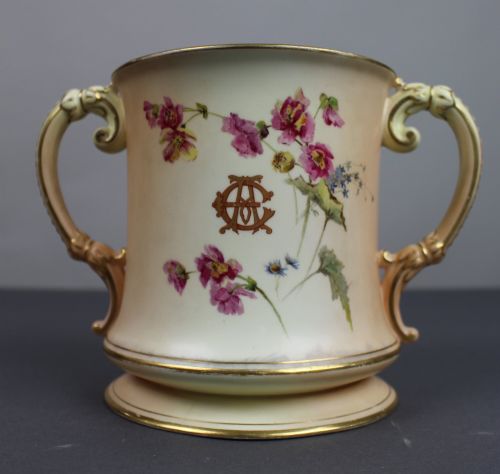
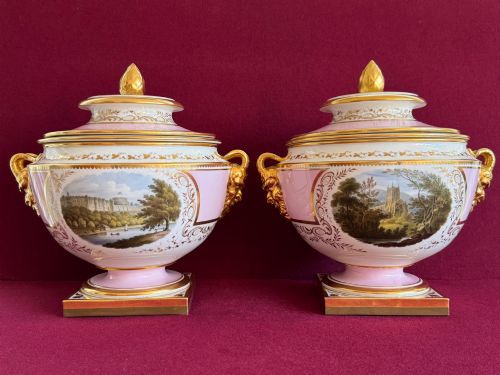
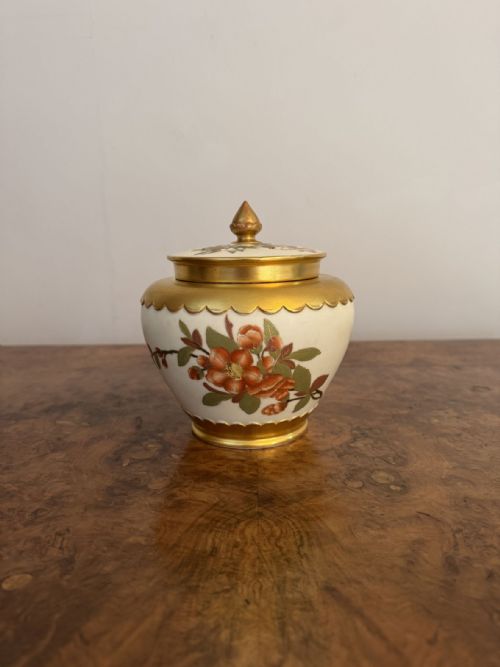
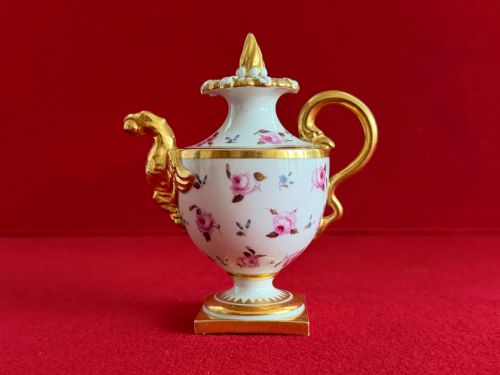
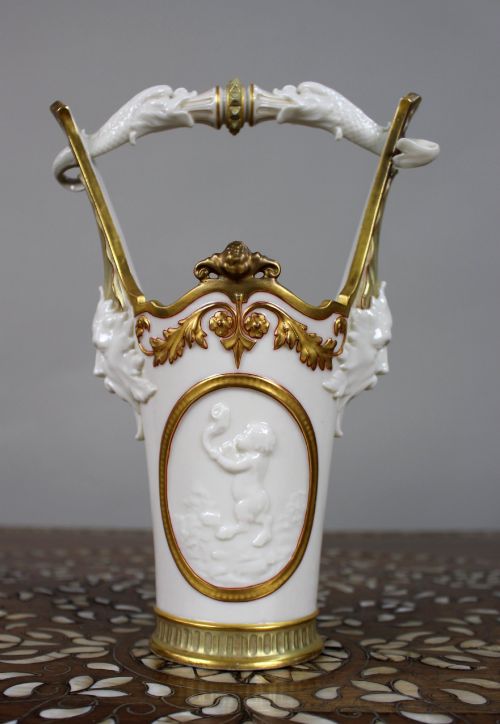
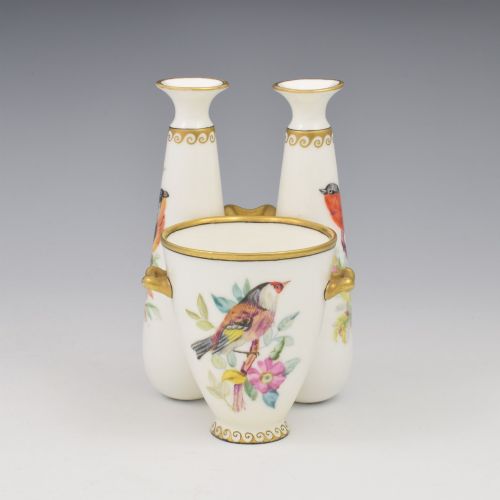
A worcester ceramic vessel encompasses everything from eighteenth-century blue and white sauce boats to late Victorian exhibition pieces and twentieth-century fruit-painted ginger jars. Buyers searching this phrase meet a rich variety of forms including vases, urns, jardinières, potpourri pots, ice pails, and loving cups.
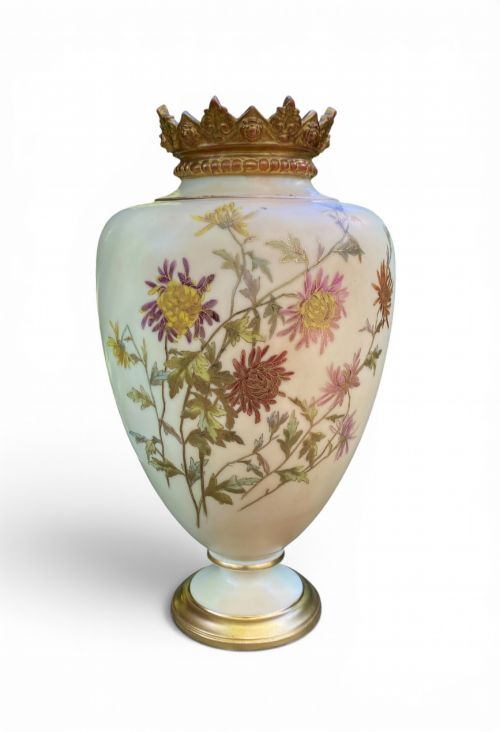
The selection on this page spans distinct manufacturing eras, featuring First Period blue and white wares, Regency Flight, Barr & Barr productions, and numerous Royal Worcester items bearing the signatures of renowned painters. Victorian neo-classical and aesthetic movement styles sit alongside Edwardian floral designs and heavy gilding.
Most pieces encountered here date from the nineteenth and early twentieth centuries, reflecting the peak of Worcester's decorative output. Forms range from simple cabinet vases to monumental exhibition vessels adorned with birds, sheep, landscapes, and elaborate pierced handles.
How they were made
Makers utilised soft-paste porcelain in the eighteenth century before transitioning to bone china and standard porcelain bodies as manufacturing techniques evolved. Cobalt glaze provided the deep blue tones for early underglaze decoration, while later pieces relied on enamel painting fired onto the white ceramic surface.
The application of gold leaf, gilding, and gilt work required precise skill, often accentuating handles, rims, and pierced covers. Artisans combined throwing and moulding techniques with meticulous hand-painting, rendering subjects like pheasants, swans, storks, and fruit directly onto the porcelain body.
Worcester Ceramic Vessel Retail Price Guide 2026
Typical asking prices for worcester ceramic vessel among the pieces listed under this phrase on Sellingantiques today, from the lower quarter to the upper quarter. They describe what is for sale here now, not the wider market.
Materials recorded across the inventory include standard porcelain, bone china, soft-paste porcelain, enamel, gold leaf, and cobalt glaze.
What varies in quality
The distinction between standard production items and the finest pieces rests upon the identity of the artist and the complexity of the painting. Vases and jars signed by recognised studio painters command greater attention than unsigned factory wares.
Execution of detail, from the precision of hand-painted feathers and fruit to the crispness of pierced gilt handles and crown covers, dictates the standing of a vessel within its period.
Flight, Barr & Barr·Royal Worcester·John Hopewell·James Hadley·Walter Powell·J Southall·John Smith·Jas Stinton·H Ayrton·C Baldwyn·Harry Davis·H Stinton·Freeman·H Davis
The Worcester Ceramic Vessel Glossary
- Soft-Paste Porcelain
- An artificial porcelain composition fired at lower temperatures than hard-paste, common in eighteenth-century English ceramics. It has a slightly warmer tone and a softer glaze surface.
- Blush Ivory
- A specialised cream-coloured matte ground introduced by Royal Worcester in the late nineteenth century. It often serves as a subtle background for delicate floral hand-painting and gilt highlights.
- Sauce Boat
- A small moulded ceramic vessel with a lip and handle designed for serving table sauces. Eighteenth-century examples frequently feature underglaze cobalt blue decoration.
- Potpourri Pot
- A lidded vessel perforated to allow dried scented plant materials to fragrance a room. Many Victorian and Edwardian examples feature elaborate pierced covers and hand-painted decoration.
- Ice Pail
- A specialised vessel intended to hold ice for cooling wine or food at the dining table. Regency period examples from factories like Flight, Barr & Barr display formal neo-classical proportions.
Worcester Ceramic Vessel: Frequently Asked Questions
How do I date a worcester ceramic vessel?
Dating relies heavily on factory factory marks stamped or painted on the underside, which changed through the Georgian, Victorian, and Edwardian periods. Stylistic cues such as shape, gilding style, and the presence of artist signatures also help narrow the decade of production.
First Period pieces show distinct underglaze blue characteristics, whereas late nineteenth and twentieth-century items often include date cyphers or specific registration numbers alongside the Royal Worcester crown mark.
How were potpourri pots used?
Potpourri pots sat in drawing rooms and parlours to scent the air with mixtures of dried rose petals, spices, and herbs. The pierced lids allowed the natural fragrance to diffuse gradually throughout the space.
These vessels were often decorative focal points on mantelpieces or side tables, combining functional ventilation with elaborate gilding and painted scenes.
What is blush ivory?
Blush ivory is a matte cream-coloured ceramic body developed during the Victorian era to mimic the warmth of ivory. It provided an understated backdrop for polychrome floral painting and raised gold detailing.
Pieces with this finish were immensely popular for domestic display, ranging from small loving cups to large ewers and jardinières.