



Wool and Silk Textile
When you search for wool and silk textile, you encounter centuries of woven artistry, from European verdure tapestries to Central Asian tribal embroideries.
Wool and Silk Textile
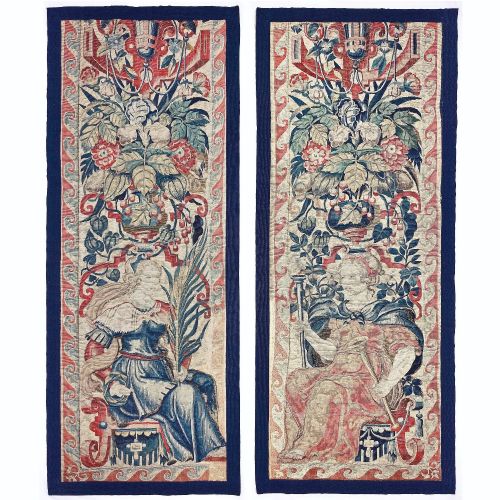
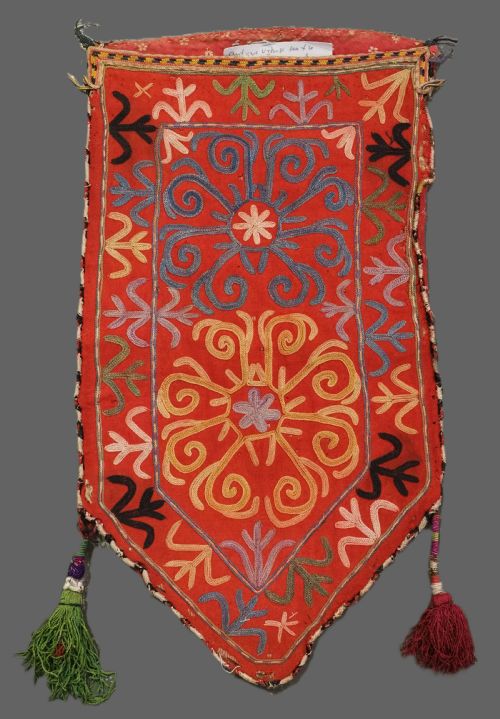
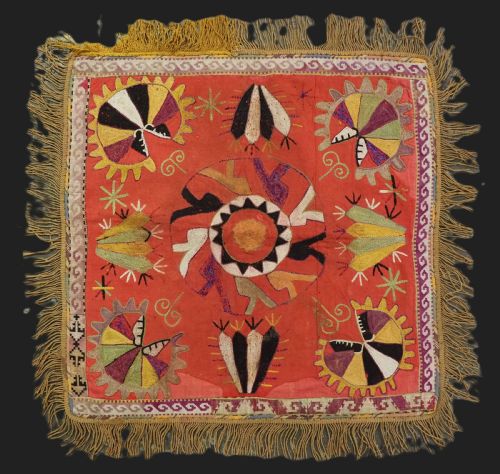
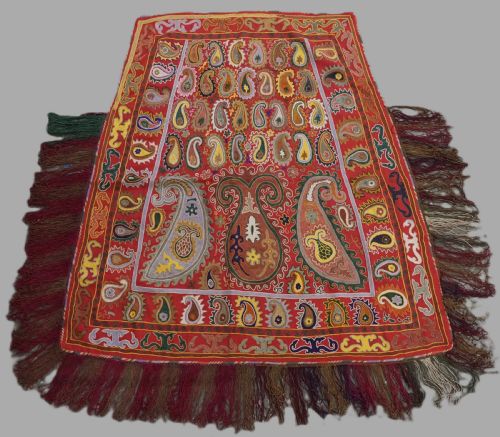
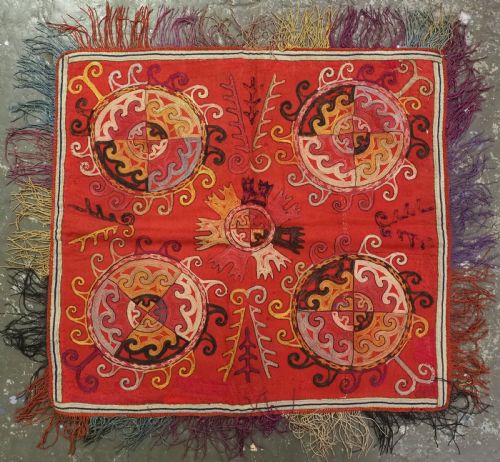
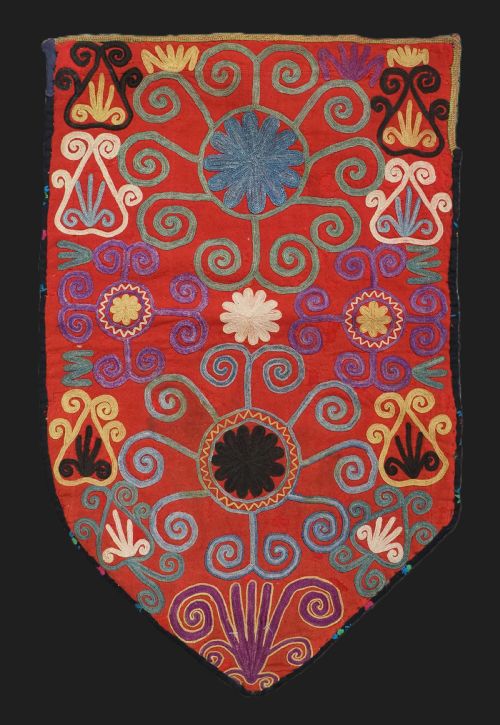
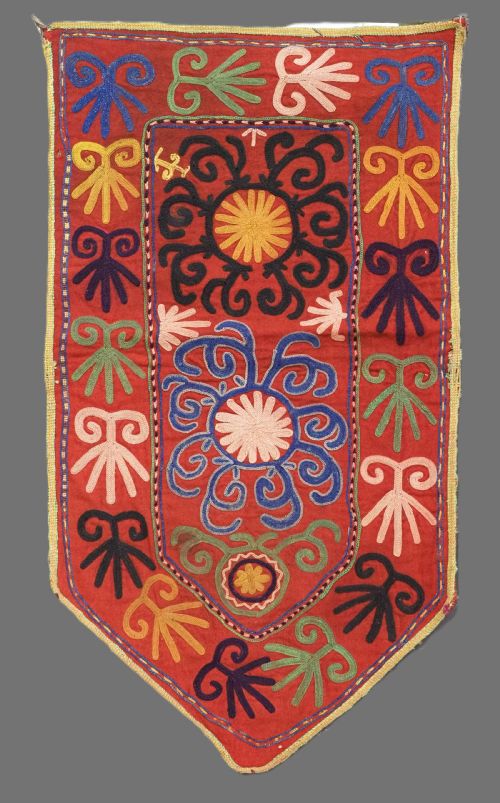
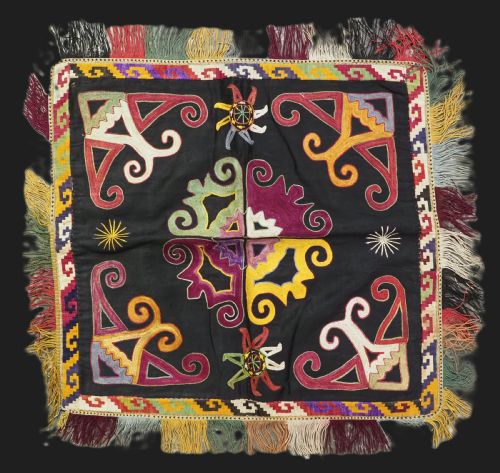
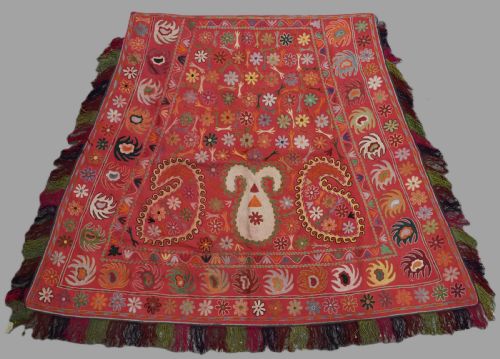
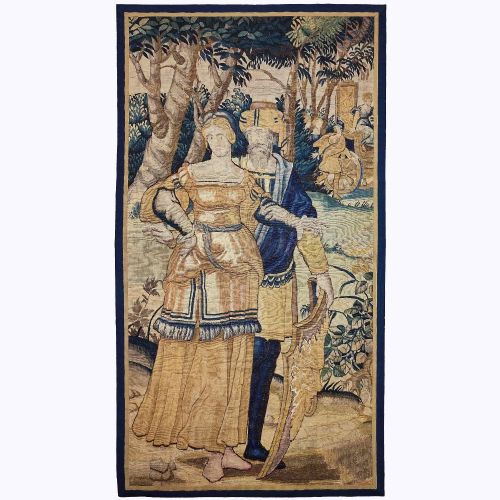
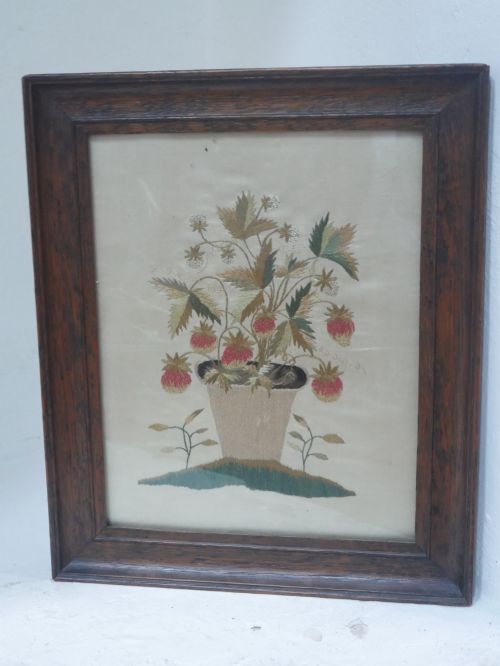
A wool and silk textile encompasses wall hangings, tapestries, framed needlework pictures, and ceremonial horse covers originating from European and Central Asian traditions. You will frequently meet 17th-century Flemish tapestries alongside antique Uzbek Lakai tribe dowry embroideries on this page.
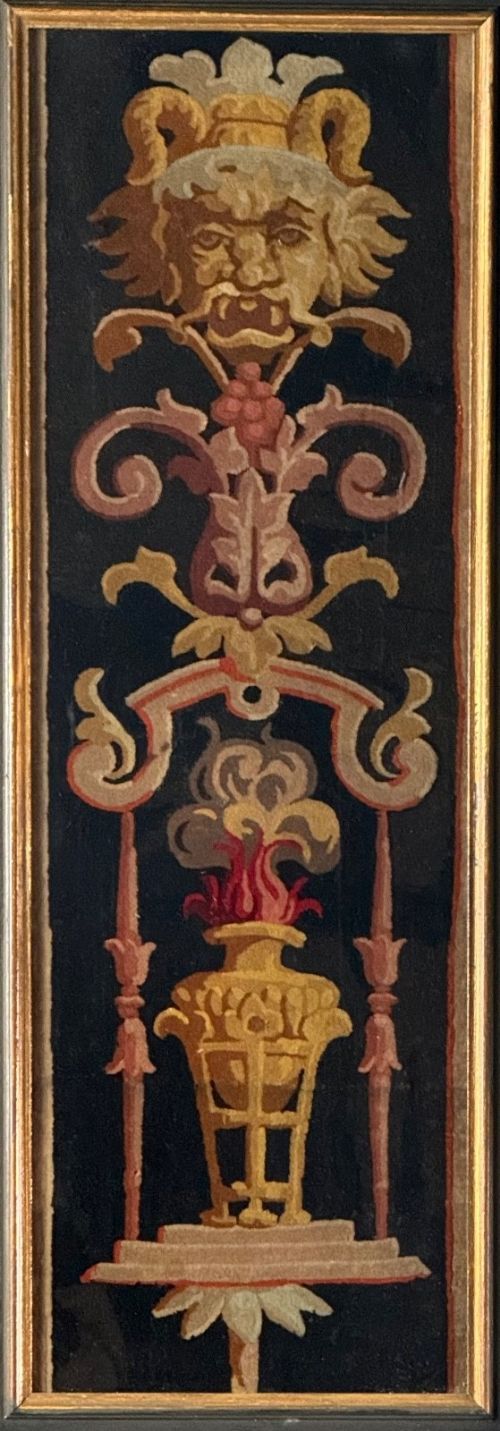
The selection ranges from grand mythological wall tapestries down to smaller embroidered panels and fragments. Each item serves primarily as a decorative textile art piece, historically produced for both European estates and Central Asian domestic interiors.
How they were made
These works rely on animal fibres, combining wool for sturdy ground fabrics or backing with silk for fine surface highlights and detailed embroidery. Artisans utilised techniques such as hand weaving on high-warp looms for tapestries and complex needlework embroidery on wool felt or cotton grounds for tribal hangings.
Natural dyeing methods provided the rich palettes seen on red wool grounds and multi-coloured silk threads. Stitching styles vary from dense tambour work in Persian Rasht panels to intricate laid-and-couched work in nomadic pieces.
Wool and Silk Textile Retail Price Guide 2026
Typical asking prices for wool and silk textile among the pieces listed under this phrase on Sellingantiques today, from the lower quarter to the upper quarter. They describe what is for sale here now, not the wider market.
Listings span from the 16th century through the 1920s, incorporating European tapestries, English needlework, and Central Asian tribal embroideries.
What varies in quality
Quality depends upon the density of the weave, the intricacy of the pictorial design, and the survival of the original silk highlights. Superior examples maintain vibrant dye colours and intact structural borders without extensive modern re-weaving.
The precision of the needlework or the complexity of the figural and floral motifs dictates the standing of each piece. Finer works display meticulous execution in facial expressions, foliage details, or geometric tribal symmetry.
The Wool and Silk Textile Glossary
- Verdure tapestry
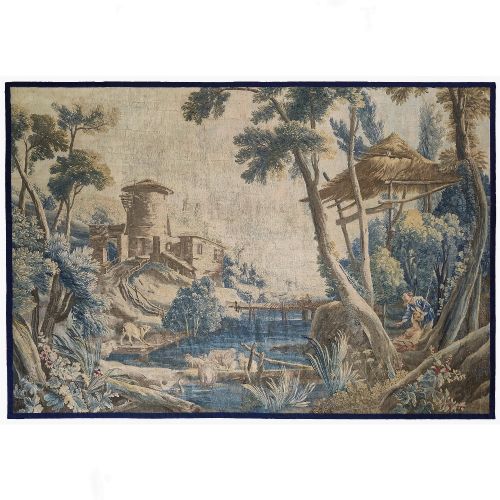
- A wall hanging featuring a landscape design dominated by foliage, trees, and often animals. These scenes typically draw on 17th-century European traditions.
- Ilgich
- A Central Asian dowry embroidery piece used traditionally as a wall hanging or tent decoration. They originate largely from the Lakai Uzbek tribes.
- Needlework picture
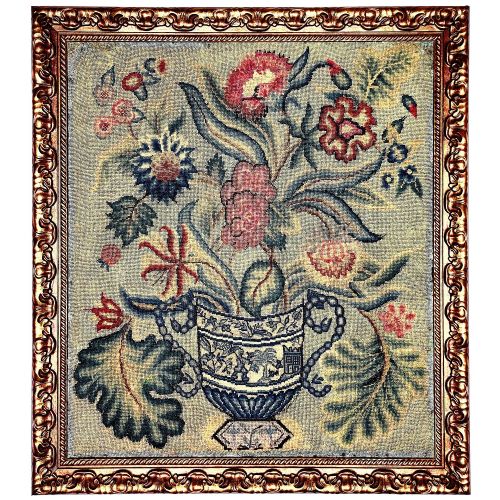
- A pictorial composition stitched by hand using yarn or silk thread upon a canvas or linen ground. English examples frequently date from the 17th and 18th centuries.
- Torba
- A small hanging bag or trapping produced by Turkmen and related tribal groups. They often feature intricate geometric or embroidered faces with silk highlights.
- Aubusson
- A style of tapestry woven in France, known for pastoral scenes and floral motifs. Production centres around the town of Aubusson from the 17th century onward.
Wool and Silk Textile: Frequently Asked Questions
How do I hang a heavy tapestry?
Large tapestries and heavy wall hangings require a weight-distributing support system such as a lined casing with a wooden baton or a velcro mounting strip. This prevents undue stress on the historic wool and silk fibres.
Professional framing or specialised conservation mounting is suitable for smaller needlework panels and fragile textile fragments to ensure even tension across the piece.
How should I clean my textile?
Routine maintenance involves gentle surface dust removal using a low-suction vacuum through a protective mesh screen. Avoid vigorous shaking or direct washing.
Professional textile conservators should handle any deep cleaning or stain removal to prevent dye bleeding or structural damage to the delicate silk threads.
Are these pieces meant for daily use?
Historic textiles function best as decorative wall art rather than functional floor coverings or upholstery. Limiting handling preserves the integrity of the antique fibres.
Placement away from direct sunlight prevents the fading of natural dyes found in both European tapestries and Central Asian embroideries.
How can I tell the age of a textile?
Dating relies on stylistic analysis of the motifs, the specific weave structure, and the nature of the materials used. For instance, 17th-century Flemish works show distinct mythological or verdure iconography.
Examining the reverse side reveals the handspun quality of the wool and silk yarns, providing further clues regarding the period of manufacture.