



Wooden Wall Storage Unit
A wooden wall storage unit clears floor space while keeping everyday items close at hand, drawing on centuries of clever carpentry.
Wooden Wall Storage Unit
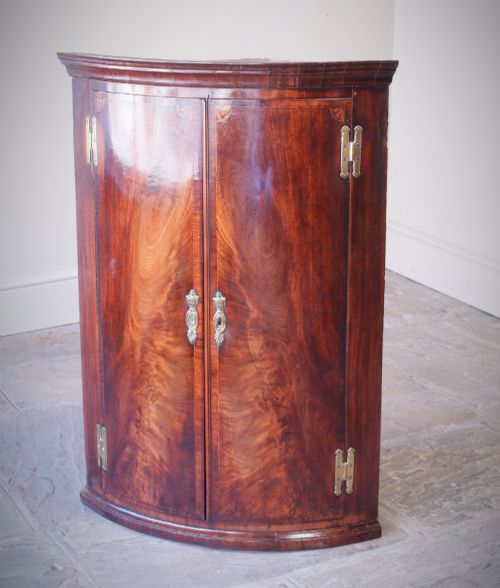
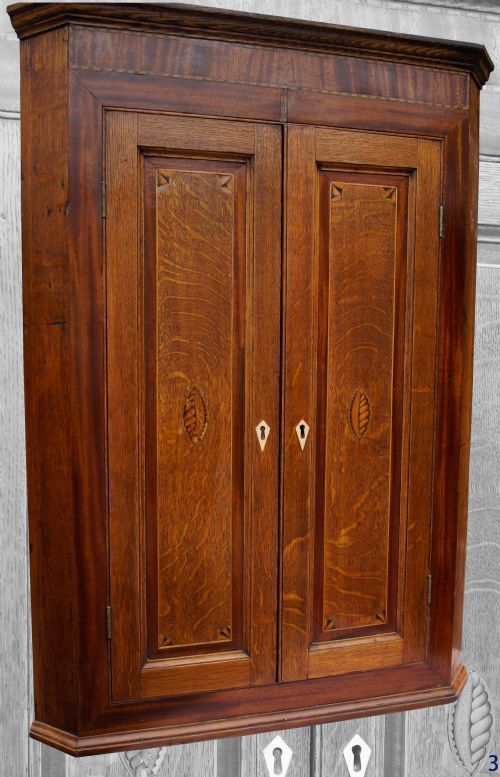
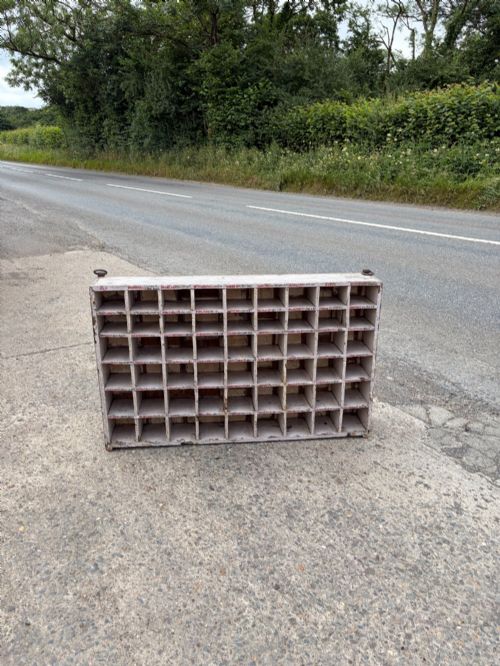
A wooden wall storage unit ranges from eighteenth-century corner cupboards to industrial pigeon holes and Edwardian wall cabinets. When you search for a wooden wall storage unit, you encounter pieces designed to mount securely on walls or fit neatly into room angles.
How they were made
Cabinet makers relied on solid oak, mahogany, and pine, often incorporating satinwood inlay for decorative contrast. Joints were hand-cut to ensure the hanging pieces could bear the weight of stored contents.
Hardware such as brass hinges and iron latches provided functional security and visual detail. Surfaces received simple painted finishes, bleached treatments, or polished wood finishes depending on the period.
Wooden Wall Storage Unit Retail Price Guide 2026
Typical asking prices for wooden wall storage unit among the pieces listed under this phrase on Sellingantiques today, from the lower quarter to the upper quarter. They describe what is for sale here now, not the wider market.
Railway ticket cupboards once sorted frantic transit paperwork before finding a peaceful retirement on domestic walls.
What varies in quality
The standard of a wooden wall storage unit depends on the precision of the timber selection and the restraint of the carving. Finely figured mahogany and well-chosen oak grain elevate a piece far above utilitarian workshop output.
Structural integrity in the joints and original brass or iron fittings distinguish superior cabinet work from later replacements. The subtlety of proportions, particularly in bow front and corner designs, dictates the overall elegance.
The Wooden Wall Storage Unit Glossary
- Bow front
- A convex curved cabinet front that projects forward, popular in Georgian designs. This shape softens room corners and adds visual depth.
- Corner cupboard
- A triangular cabinet built to fit into the ninety-degree angle of a room. These units make efficient use of otherwise neglected space.
- Pigeon holes
- A set of small, stacked rectangular compartments designed for sorting papers and correspondence. They are commonly found in utilitarian workplace furniture.
- Satinwood inlay
- Contrasting light-toned wood veneer inserted into a darker primary timber to create decorative patterns. It requires precise woodworking skill.
- Bleached oak
- Oak timber treated to lighten its natural colour for a softer aesthetic. This technique appears frequently on French provincial pieces.
Wooden Wall Storage Unit: Frequently Asked Questions
How do I hang a heavy wooden wall storage unit?
Ensure the fixings are secured directly into wall studs or masonry rather than just plasterboard. Professional mirror plates or heavy-duty brackets provide the necessary support for older timber cabinets.
Check that the internal structure of the cabinet can bear the weight of whatever items you plan to store inside.
Are corner cupboards difficult to fit in modern rooms?
Corner cupboards utilise ninety-degree angles that modern rooms often leave empty, making them surprisingly versatile. Measure the wall depth and door swing carefully before installation to ensure surrounding furniture clears the opening.
Their triangular footprint allows them to hold a surprising volume without projecting far into the main living space.
What is the difference between pigeon holes and wall cabinets?
Pigeon holes consist of open compartments intended for sorting documents, letters, or small supplies. Wall cabinets feature doors and enclosed shelving to keep contents out of sight and protected from dust.
Both serve specific organisational needs but offer entirely different visual appearances on a wall.
How do I care for antique pine and mahogany surfaces?
Dust regularly with a soft, dry cloth and avoid commercial silicone sprays that can build up over time. Apply a traditional beeswax polish sparingly to nourish the timber and maintain a natural lustre.
Keep wooden wall storage units away from direct heat sources and strong sunlight to prevent the timber from warping or fading.