


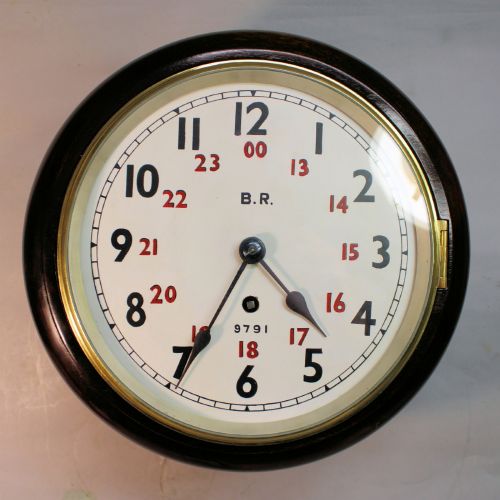
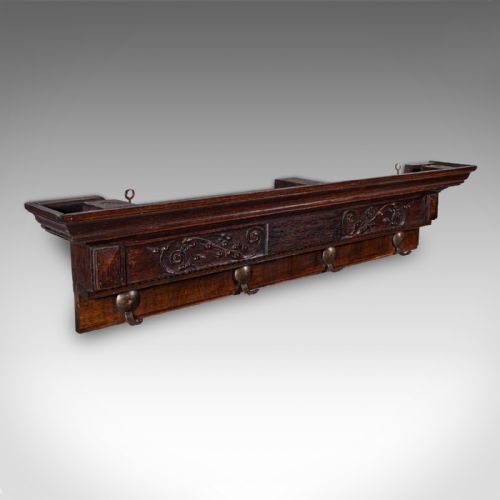

Wooden Wall Rail
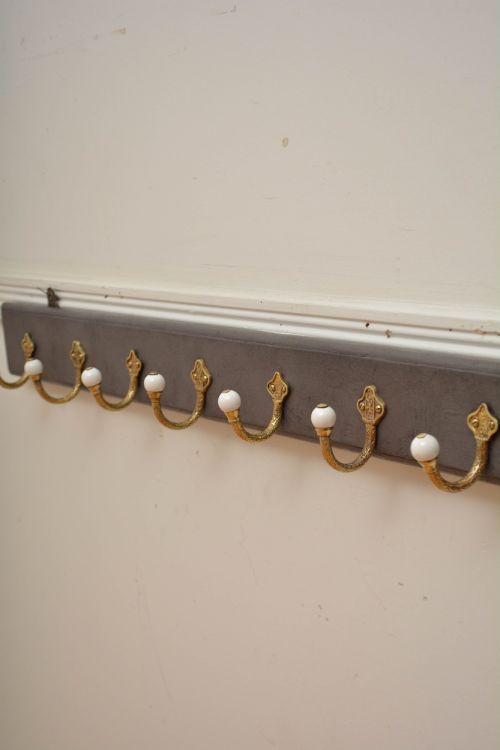
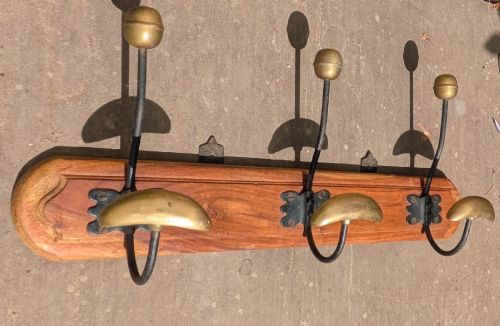
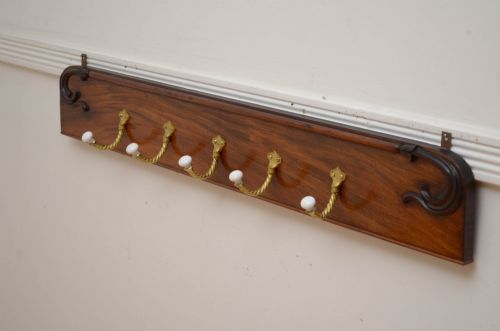
These wooden wall rail examples bring hallway utility and period character together through brass, oak, and mahogany.
Wooden Wall Rail
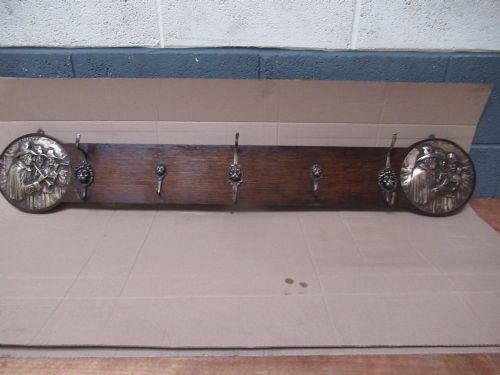
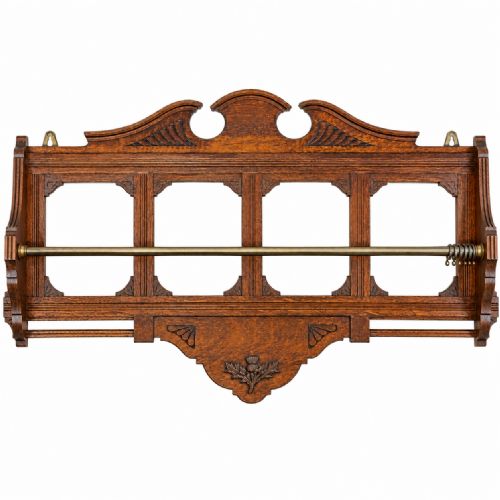
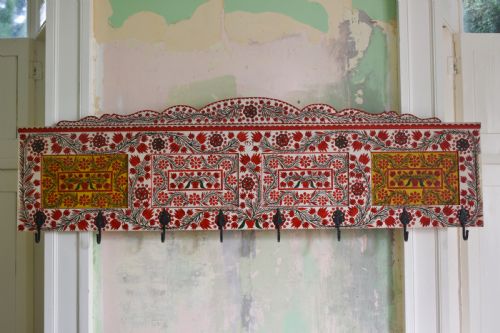
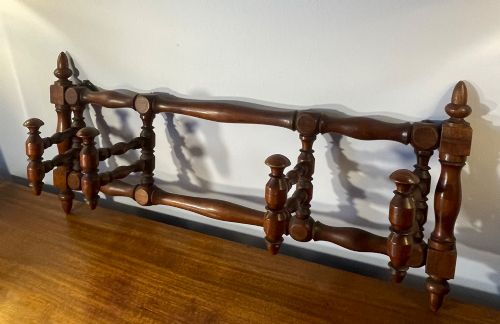
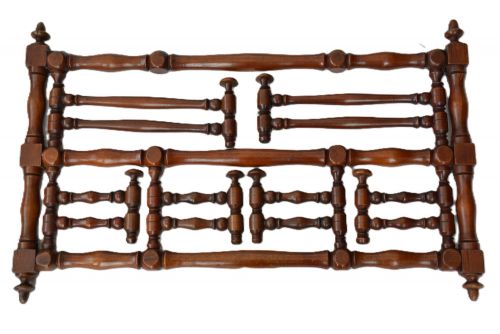
A wooden wall rail serves primarily as a mounted coat rack, cloakroom valet, or towel rail designed for domestic organisation. When you search for a wooden wall rail, you encounter various functional forms including Victorian coat racks, Edwardian cloakroom rails, and hanging towel rails.
The pieces on this page span several eras from the Georgian period through the Victorian and Edwardian decades into the mid-twentieth century. Oak, mahogany, and pine backboards mounted with brass or ceramic hooks dominate the selection.
Wall-mounted storage forms range from simple backboards with a row of hooks to pieces featuring upper hat shelves or combined towel bars. These practical items reflect the functional needs of British and continental hallways, cloakrooms, and bathrooms over the centuries.
Construction and materials
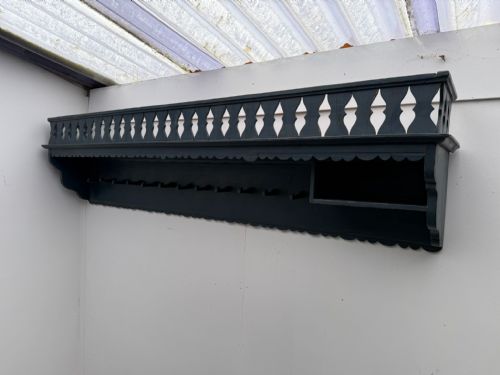
Makers utilised solid timbers such as mahogany, oak, pine, and walnut to form the backboards and rails. These boards were shaped, planed, and occasionally carved or painted, as seen in examples featuring blue-painted pine or faux bamboo.
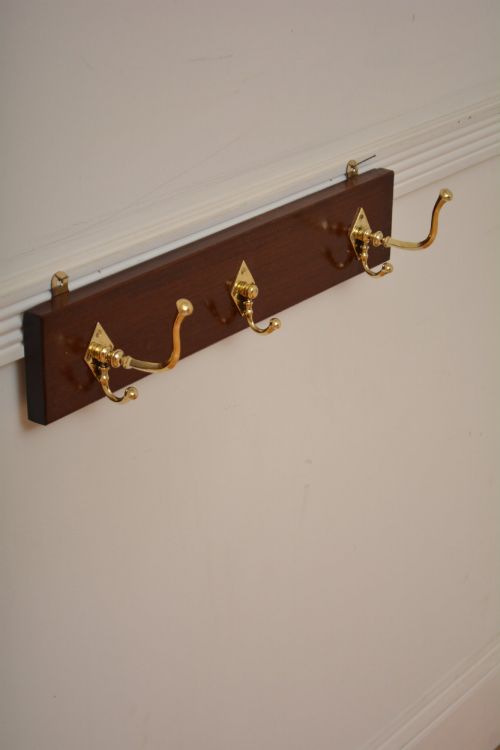
Metal and ceramic elements form the functional fixtures attached to the wood. Cast brass hooks, wrought iron components, and glazed ceramic buttons are secured to the wooden rails to hold garments, hats, and towels.
Joinery methods vary from straightforward surface-mounted hook plates to more intricate panel construction. Wall-mounting points and hanging loops were integrated into the wooden backs to secure the pieces safely to domestic walls.
Wooden Wall Rail Retail Price Guide 2026
Typical asking prices for wooden wall rail among the pieces listed under this phrase on Sellingantiques today, from the lower quarter to the upper quarter. They describe what is for sale here now, not the wider market.
Listings feature timbers including mahogany, oak, pine, and walnut alongside brass and ceramic components across the Victorian and Edwardian periods.
Distinctions in quality
Quality rests in the selection of timber and the integrity of the hardware. Dense hardwoods like mahogany and oak with rich grain patterns command attention alongside pine examples finished with period paint.
The character and originality of the attached hooks elevate a piece significantly. Solid cast brass hardware, makers' marks, and matching ceramic inserts demonstrate a higher grade of manufacture than generic replacements.
Proportion and decorative detailing separate standard utility items from finer examples. Aesthetic Movement touches, carved motifs, or integrated hat shelves show greater design ambition by the maker.
The Wooden Wall Rail Glossary
- Backboard
- The flat wooden plank or panel that secures to the wall and supports the projecting hooks or rails. This timber backing distributes the weight of hanging garments across the wall fixings.
- Cloakroom valet
- A wall-mounted rail equipped with multiple hooks and often an upper shelf designed specifically for hats and coats in an entrance hall. These fixtures managed outerwear in period homes.
- Fusee movement
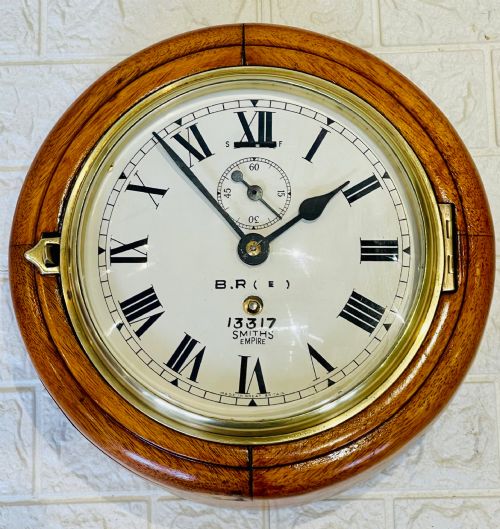
- A clock mechanism utilising a conical pulley and chain or cord to maintain even tension as the mainspring unwinds. This system ensures consistent timekeeping on railway and wall clocks.
- Aesthetic Movement
- A late nineteenth-century design style emphasising visual beauty over narrative subject matter. Pieces in this style often incorporate Anglo-Japanese influences and contrasting timber tones.
- Bentwood
- Wood steamed and bent into curved shapes to form structural components or hooks. This technique creates smooth, continuous lines without traditional joinery joints.
Wooden Wall Rail: Frequently Asked Questions
How do I hang a wooden wall rail safely?
Check the spacing of the original mounting holes or screw points on the timber backboard to align with wall studs or appropriate masonry fixings.
Use sturdy screws suitable for the weight of the rail and the garments it will hold, ensuring the piece rests flush against the wall surface.
What is the difference between an Edwardian and a Victorian coat rail?
Victorian rails often feature heavier, robust timbers such as carved oak or deep mahogany paired with substantial cast brass hooks.
Edwardian examples tend towards lighter proportions, sometimes using pine backboards or incorporating simpler lines suited to smaller entrance halls.
Can these rails be used in modern bathrooms?
Many period pieces, including hanging towel rails and pine or mahogany racks, adapt well to contemporary bathroom spaces for holding towels.
Ensure the timber and metal fixtures are treated or maintained to withstand moisture and humidity present in modern bathrooms.
How do I clean antique brass hooks on wood?
Dust the timber backboard gently with a dry cloth and avoid harsh chemical sprays that could damage old polished or waxed surfaces.
Clean the brass hooks carefully around the wood using a mild cleaner on a cloth to preserve any patination accumulated over the decades.