


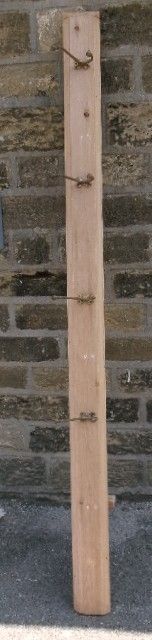
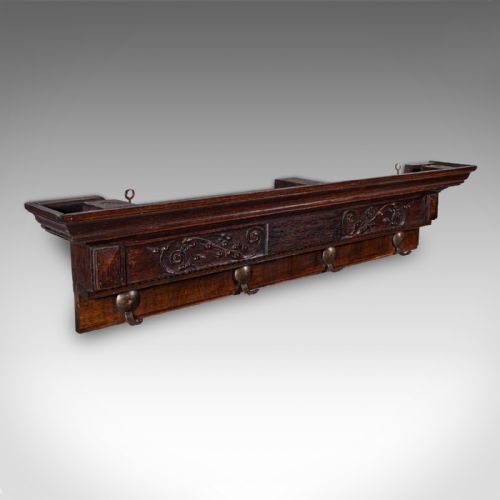
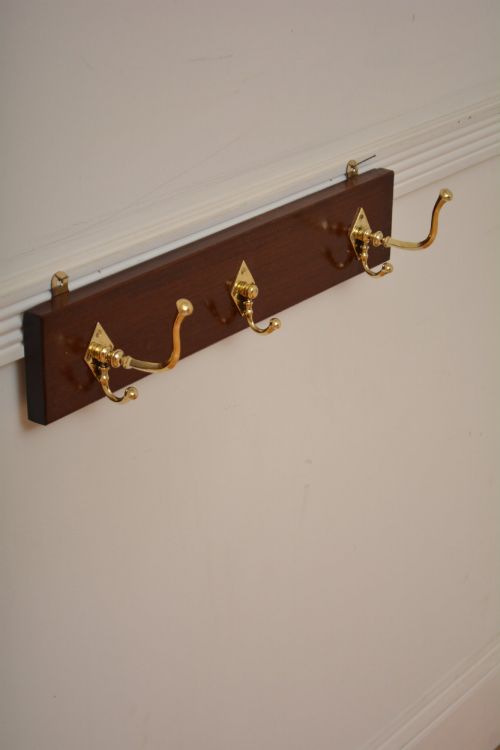
Wooden Wall Pegs
Wooden wall pegs organise hallways with functional charm, bringing period character and sturdy utility to everyday hanging spaces.
Wooden Wall Pegs
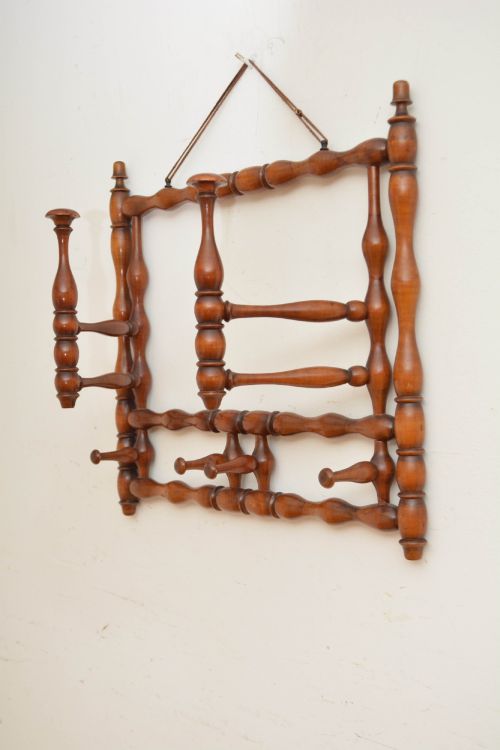
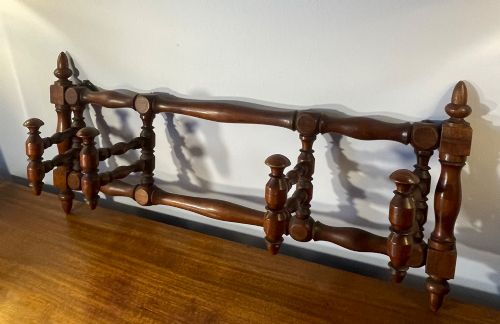
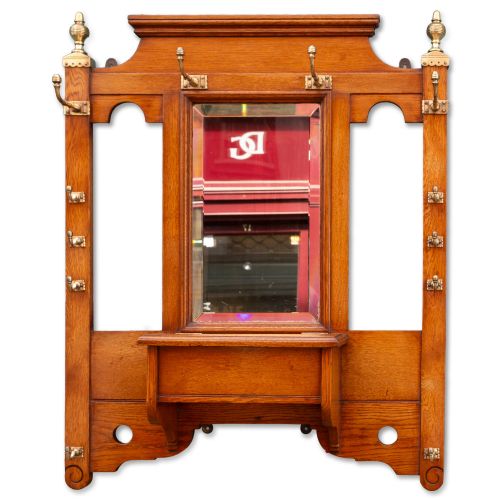
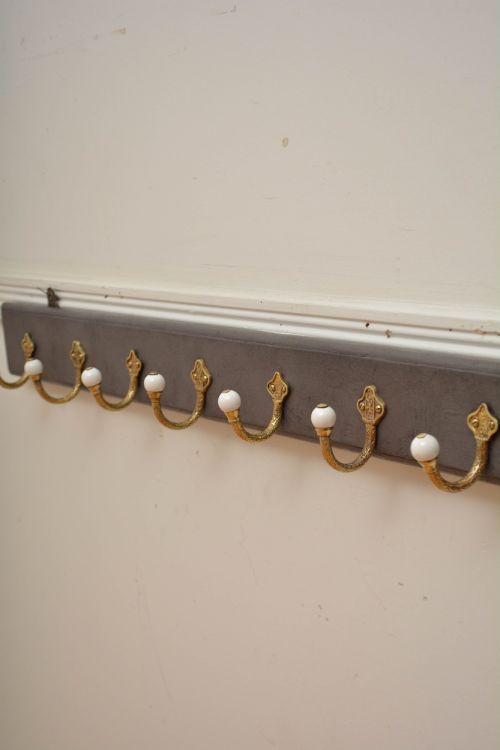
Wooden wall pegs serve as practical domestic hardware designed for hanging garments, hats, and coats in hallways and cloakrooms. When searching for wooden wall pegs, buyers encounter everything from simple rows of hooks on timber backboards to elaborate hall stands and wall mirrors.
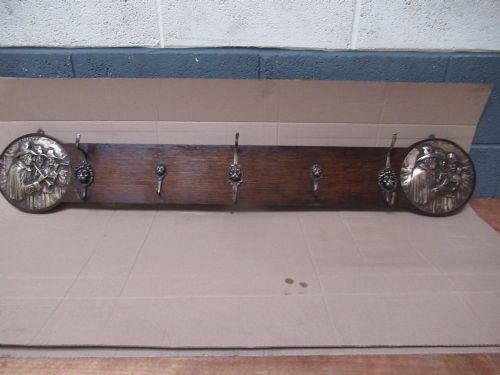
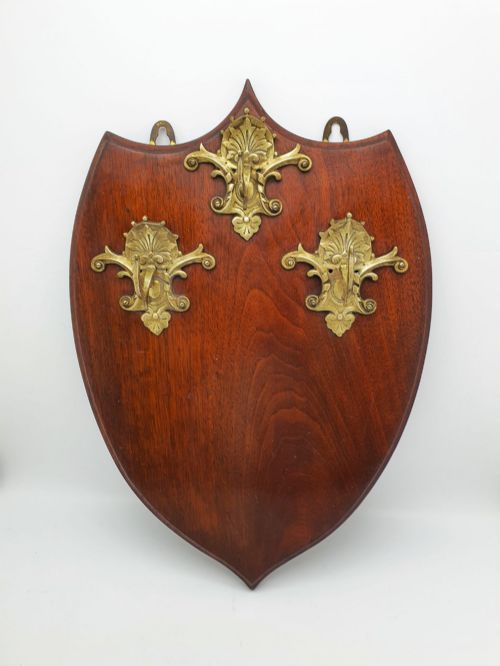
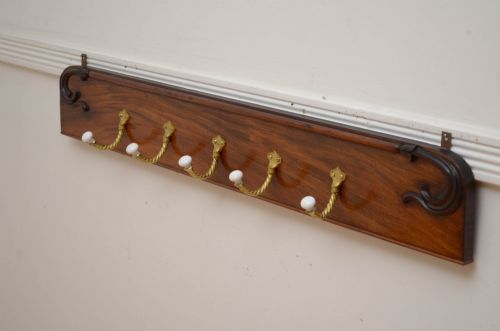
The selections span distinct historical eras, most notably the Victorian and Edwardian periods, alongside French country and Black Forest designs. Formats vary from single mounted hooks to extended multi-hook racks featuring brass, ceramic, or iron fixtures.
Origin and construction reflect domestic requirements of the nineteenth and early twentieth centuries, with oak, mahogany, pine, and beech providing the structural backings. Buyers frequently find pieces incorporating mirrors, shelves, or decorative carved motifs alongside straightforward utility rows.
Materials and construction methods
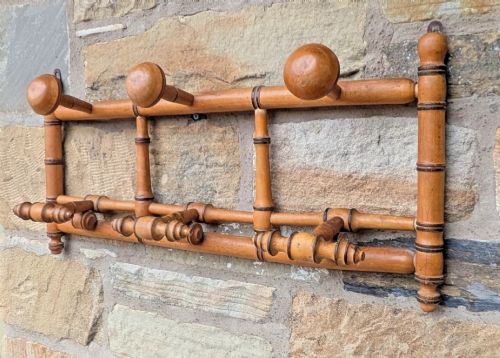
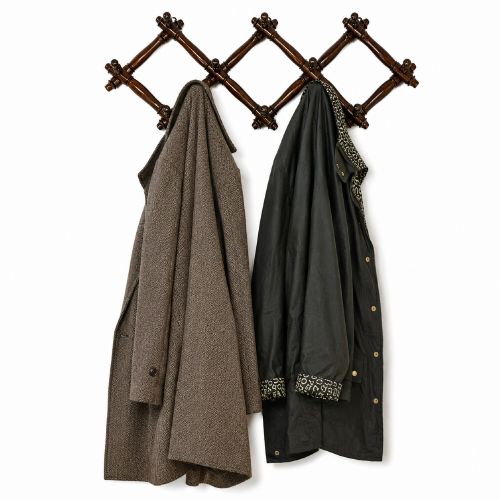
Makers utilised a variety of solid timbers including oak, mahogany, walnut, and pine to form the backboards and support structures of these hanging pieces. Beech and bentwood appear frequently in curved applications, while simulated or faux bamboo techniques demonstrate specialised wood shaping.
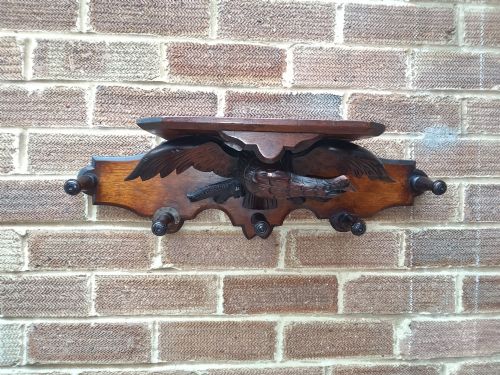
Metal and ceramic elements integrate directly into the wooden framework, utilising brass, cast iron, and wrought iron for the functional hooks and hanging points. Carved wooden details, such as those seen in Black Forest examples, show traditional hand-carving techniques applied to animal heads and natural motifs.
Wooden Wall Pegs Retail Price Guide 2026
Typical asking prices for wooden wall pegs among the pieces listed under this phrase on Sellingantiques today, from the lower quarter to the upper quarter. They describe what is for sale here now, not the wider market.
Assessing quality and craftsmanship
The distinction between standard utility items and finer examples rests in the selection of timber and the complexity of the backboard moulding. Superior pieces often feature figured mahogany, quartersawn oak, or intricate hand-carved ornamentation rather than plain pine.
Hardware standardisation also defines the grade of the piece, with heavy cast brass, ceramic inserts, and secure peg fastenings indicating higher manufacturing standards. Original mounting points and well-preserved surface patination separate authentic period items from later assembled pieces.
The Wooden Wall Pegs Glossary
- Bentwood
- Wood steamed and bent into curved structural forms, characteristic of late nineteenth-century manufacturers. Thonet utilised this technique extensively for coat racks.
- Faux bamboo
- Wood turned and painted or carved to imitate natural bamboo stalks. This style gained significant popularity in nineteenth-century French furniture production.
- Black Forest
- Carved wooden decorative items originating from Central Europe during the nineteenth century. These pieces frequently incorporate naturalistic animal carvings and detailed foliage.
Wooden Wall Pegs: Frequently Asked Questions
How were wooden wall pegs used?
These fixtures served primarily in reception halls, cloakrooms, and bedrooms for hanging outdoor garments, hats, and accessories. Households relied on them to keep everyday wear organised and accessible near entryways.
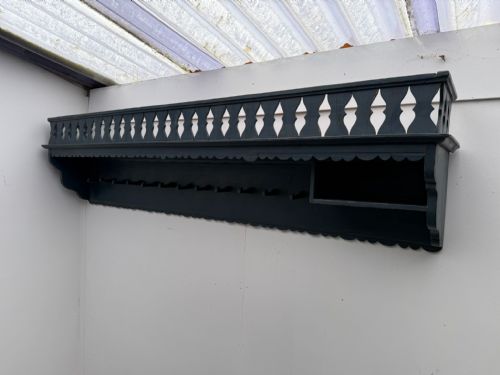
Larger configurations often combined hooks with mirrors, umbrella stands, or small shelves to create multi-functional hallway furniture. Their robust construction accommodated the heavy woolen coats and structured hats of the nineteenth and early twentieth centuries.
What periods do these pieces date from?
Most available examples date from the Victorian and Edwardian eras, spanning the late nineteenth and early twentieth centuries. Earlier specimens from the eighteenth century appear occasionally alongside specialised regional styles.
Design characteristics generally align with the prevailing aesthetics of their manufacturing decade, ranging from Gothic Revival and Aesthetic Movement to rustic French country interpretations.
How do I mount an antique coat rack?
Installation requires securing the backboard directly into wall studs or using heavy-duty wall anchors appropriate for the specific timber weight. Because these racks are designed to bear substantial loads of coats, secure fixing is essential.
Spacing of the original mounting holes often dictates the placement, though many vintage boards allow for discreet screw placement beneath or between the hooks.
What woods were commonly used?
Manufacturers selected durable domestic and imported hardwoods such as oak, mahogany, walnut, and beech for their strength and grain. Pine served frequently as a secondary timber for backboards, particularly on simpler utility rows.
Specialist pieces also featured fruitwoods or manipulated timbers like bentwood and simulated bamboo, depending on the fashionable style of the workshop.