
Wooden Wall Hooks
Solid wooden wall hooks bring practical organisation and carved character to an entrance hall, spanning simple rustic pine boards to ornate Black Forest animal carvings.
Wooden Wall Hooks
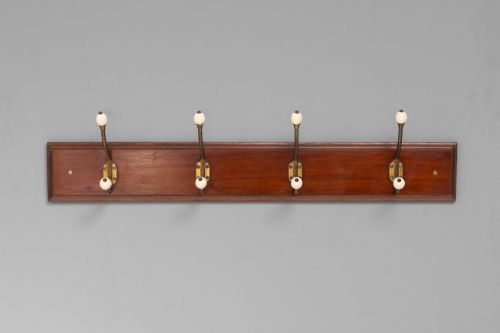
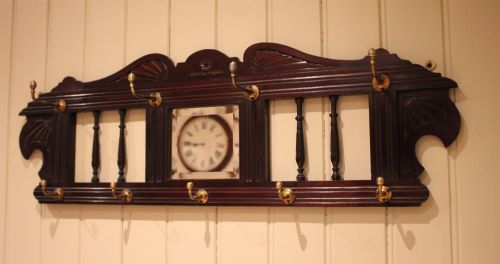
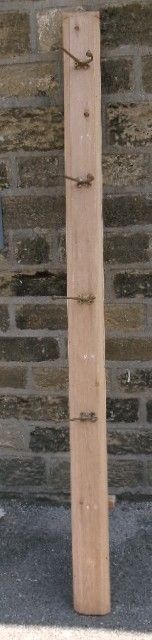
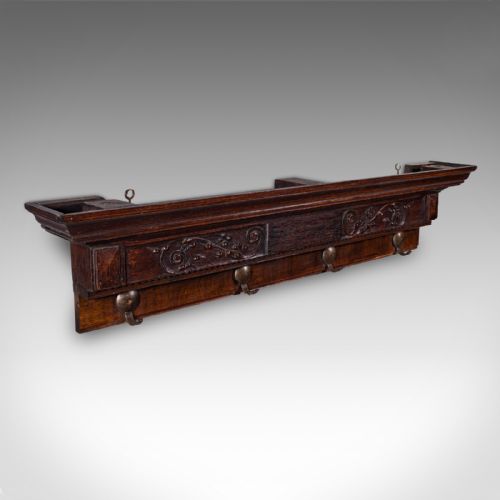
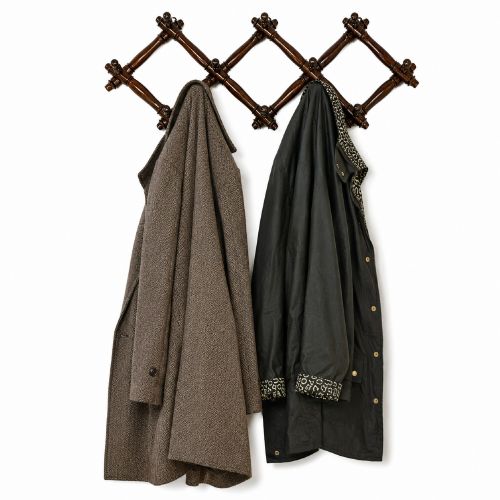
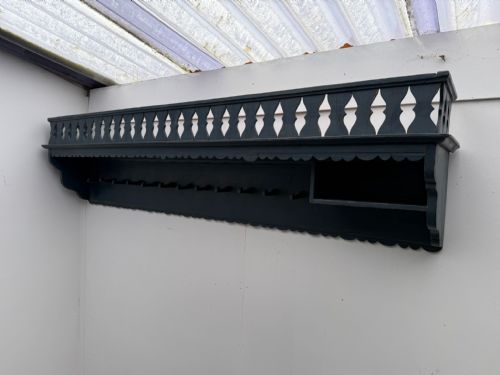
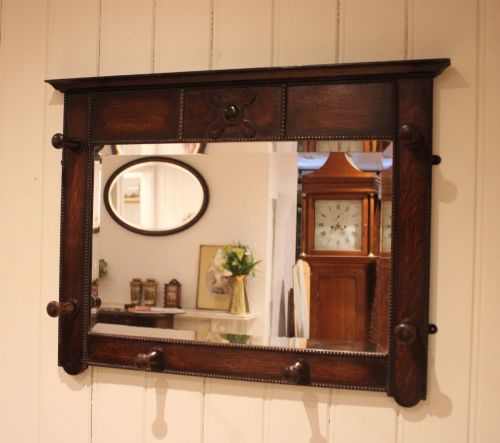
Wooden wall hooks appear on this page as mounted coat racks, single hooks, hall stands, and key cabinets designed for domestic utility. Pieces range from straightforward Victorian pine and oak backboards to elaborate Black Forest carvings featuring gnomes, chamois heads, and nudes.
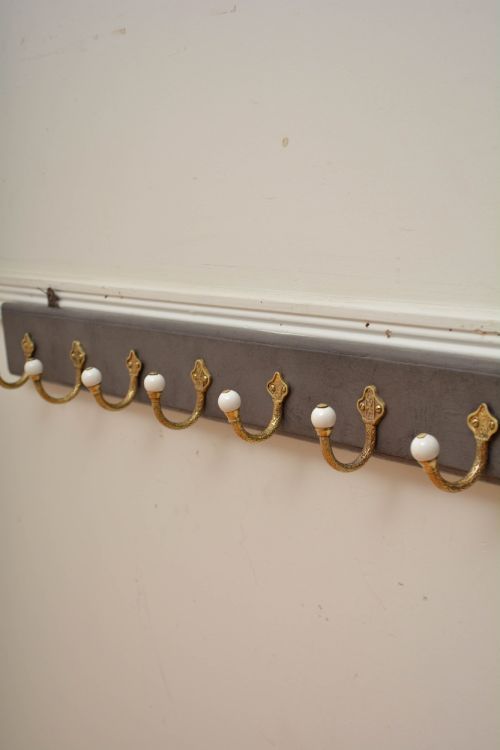
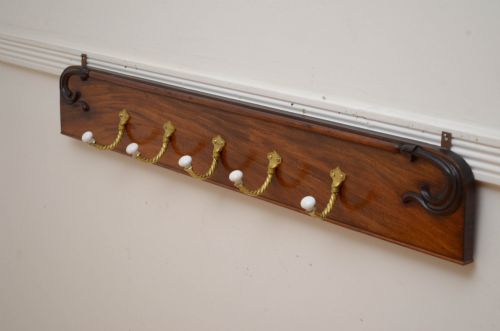
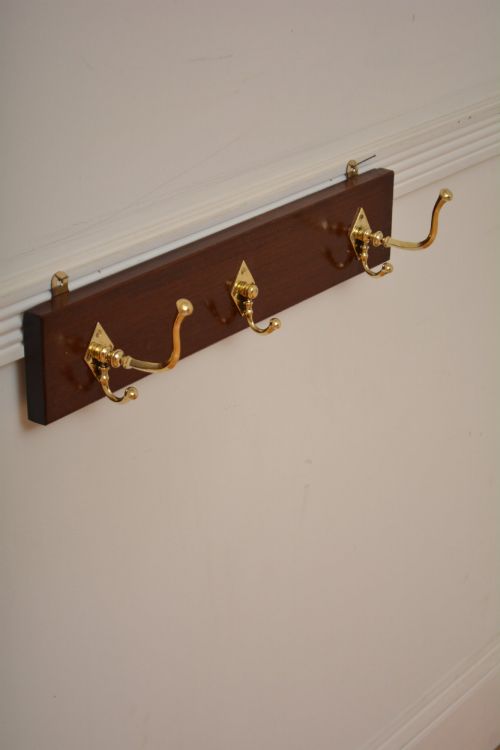
The selections span the nineteenth century through the Edwardian period and into the nineteen-twenties and thirties, drawing on English, French, and German workshops. Buyers frequently encounter simple rows of brass or ceramic hooks fixed to mahogany, walnut, or oak timber.
How they were made
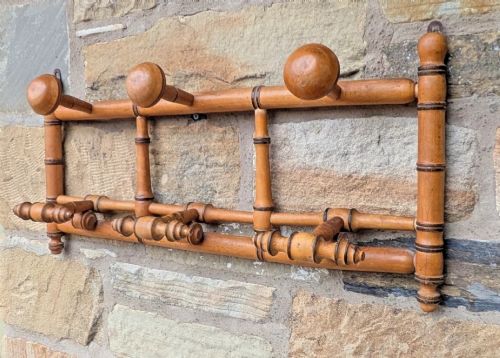
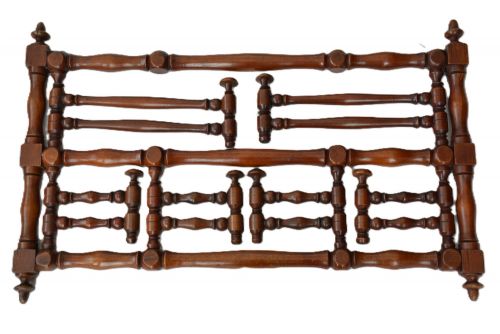
Cabinet makers and artisans worked with native timbers such as oak, mahogany, walnut, beech, and pine, occasionally turning to exotic woods or bentwood techniques for curved forms. Backboards were frequently shaped, carved, or ebonised, whilst simulated bamboo styles reveal skilled turning and finishing in French workshops.
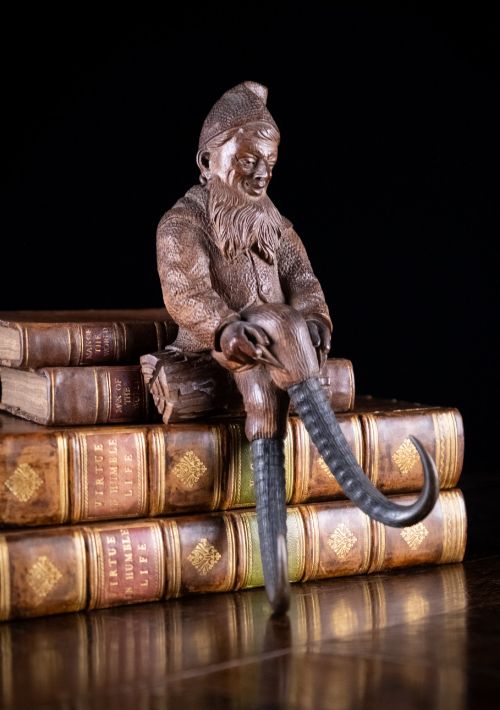
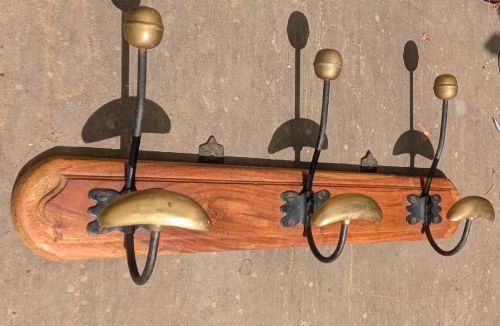
Metal components were integrated through cast brass, wrought iron, and bronze, often paired with ceramic insets on the hooks themselves. Carved elements in Black Forest pieces demonstrate deep relief work in softwoods, complemented by inset glass eyes on animal subjects.
A startled chamois goat keeps watch from the hallway wall.
What varies in quality
The standard of carving and the integration of materials define the upper tier of these pieces, particularly in figurative Black Forest items where anatomical precision distinguishes the work. Simpler utility racks rely on the quality of the timber selection, such as figured mahogany or quarter-sawn golden oak.
Originality of the metalwork and fixings plays a significant role, with matching brass brackets and signed or stamped hooks carrying greater weight than later replacements. The crispness of turned details and the retention of original painted or polished surfaces govern visual cohesion.
The Wooden Wall Hooks Glossary
- Backboard
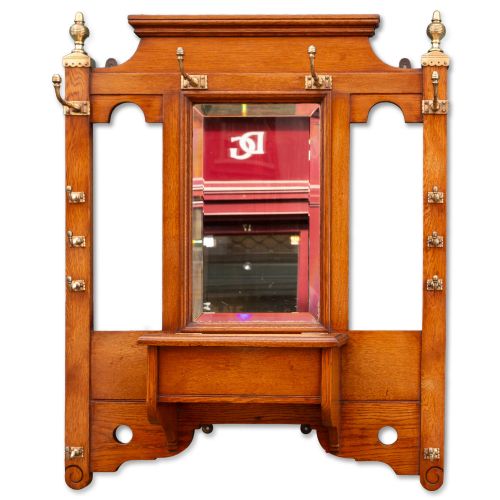
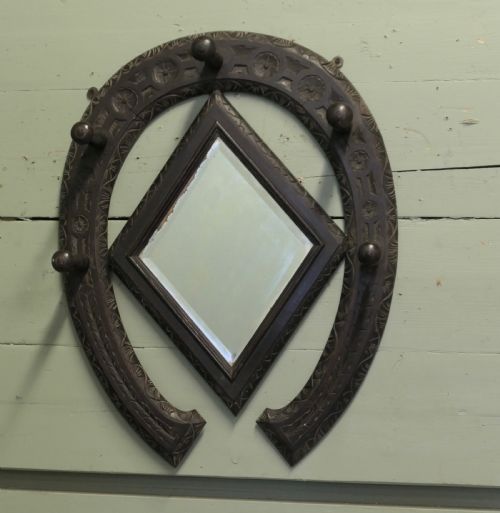
- The mounting timber plate that supports the individual hooks and secures the rack to the wall. It is often shaped at the edges or fitted with a mirror.
- Bentwood
- Wood softened by steam and bent into curved shapes, commonly utilised by makers such as Thonet for coat racks and hat stands.
- Black Forest
- A style of wood carving originating from the mountain region of Germany, noted for realistic animal and figurative subjects.
- Faux bamboo
- Wood turned and painted to imitate natural bamboo stalks, a decorative technique popular in nineteenth-century French furniture.
Wooden Wall Hooks: Frequently Asked Questions
How do I hang a heavy wooden coat rack?
Most wooden wall hooks and racks require direct fixing into wall studs or solid masonry using appropriate screws and wall plugs to bear the weight of heavy winter coats.
Heavier items featuring mirrors or multiple iron hooks often utilise concealed mounting brackets on the reverse of the backboard for stability.
Are the brass hooks original to the boards?
Many pieces retain their period brass, bronze, or cast iron hooks, often secured with slotted screws appropriate to the nineteenth or early twentieth century.
Slight variations in patina or screw types can indicate whether individual hooks were replaced or added during the working life of the rack.
What is a Black Forest wall hook?
Black Forest wall hooks are hand-carved wooden pieces from the nineteenth century depicting animals, forest creatures, or figures such as gnomes and chamois heads.
These pieces combine decorative sculpture with functional coat or whip hooks, frequently incorporating glass eyes and detailed foliage motifs.
How do I care for antique wood and brass?
Maintain the timber surfaces with traditional beeswax or appropriate furniture polish to nourish the grain without building up sticky residues.
Avoid harsh chemical cleaners on brass or ceramic hook components to preserve the natural ageing and historical patina developed over decades.