



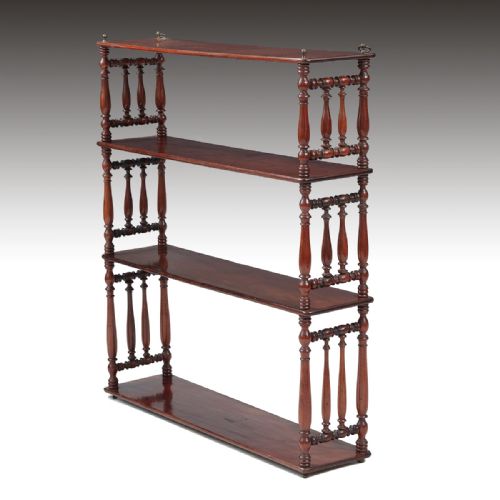
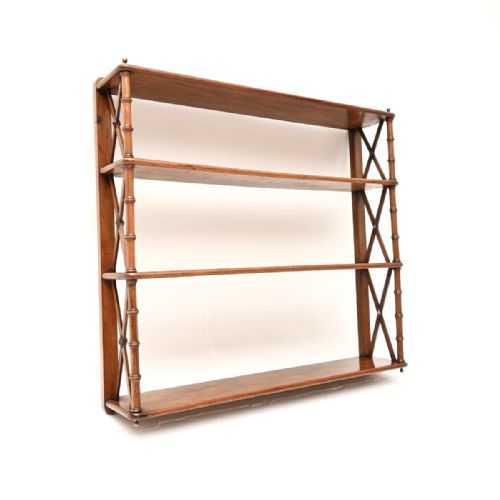
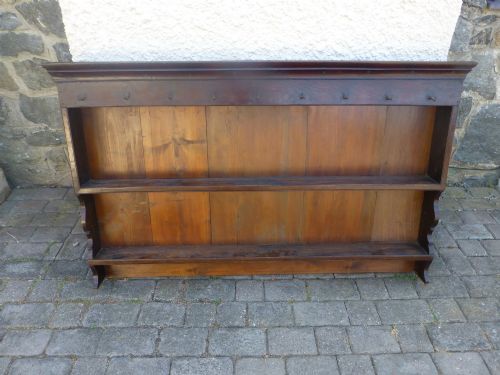
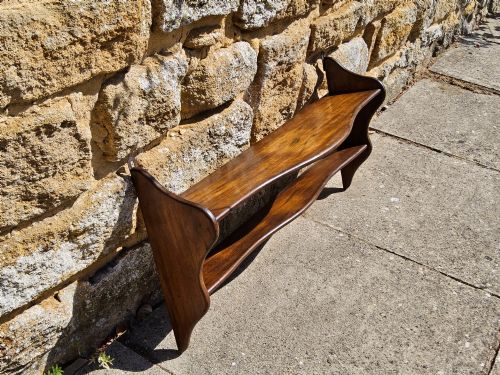

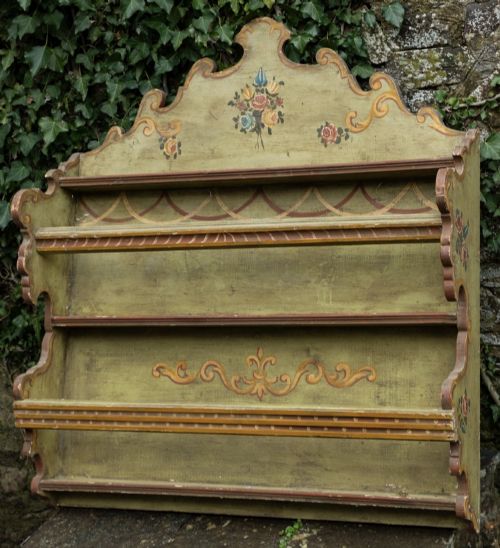
Wooden Wall Hanging Rack
A wooden wall hanging rack brings vertical utility and period character to any room through centuries of practical domestic joinery.
Wooden Wall Hanging Rack
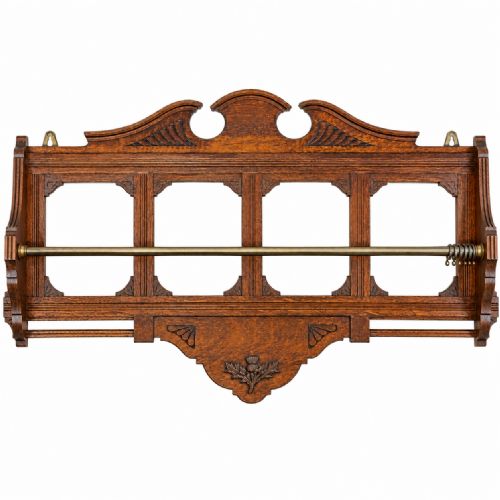
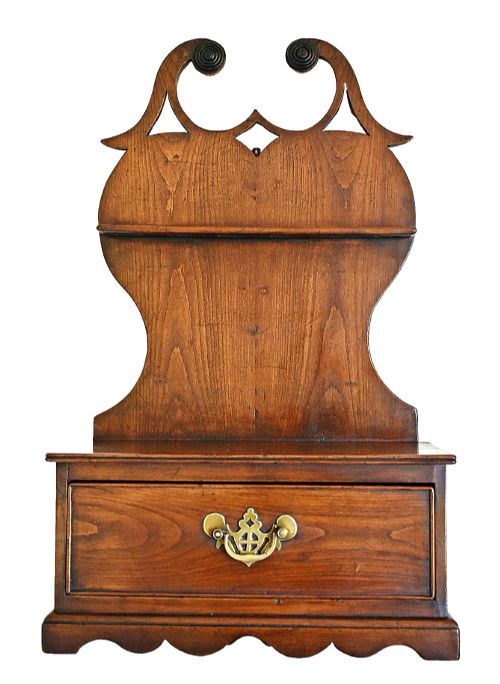
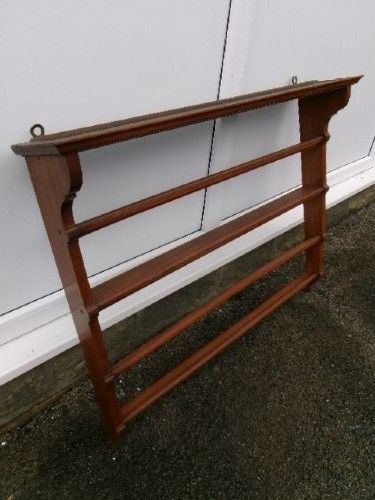
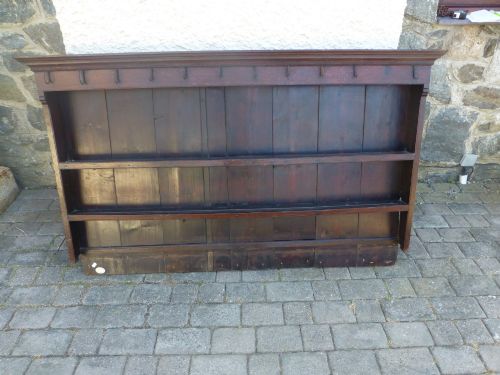
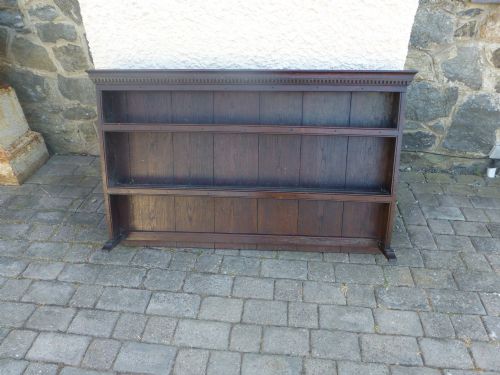
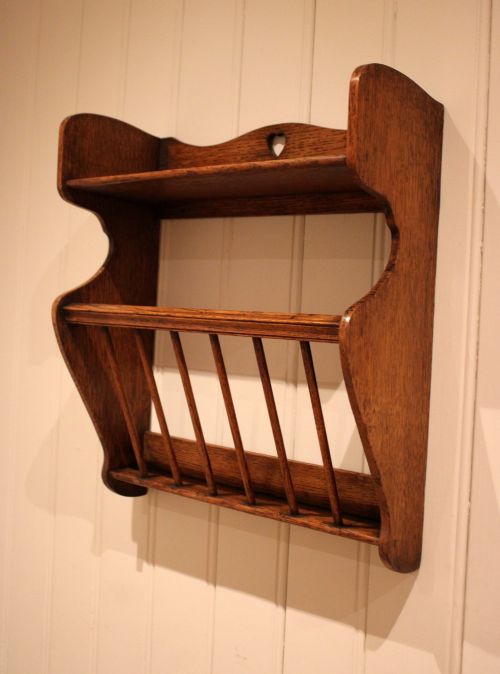
A wooden wall hanging rack serves as a space-saving domestic fixture, encompassing forms from plate racks and coat rails to bookcases and spoon racks.
Buyers encountering this selection will most frequently find oak and mahogany examples spanning the Georgian, Victorian, and Edwardian periods.
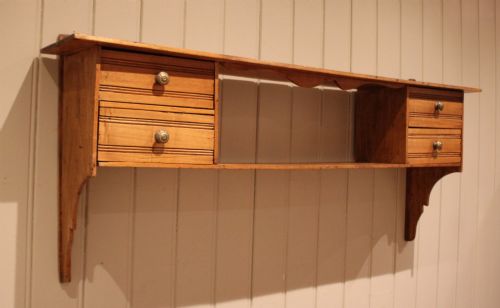
These pieces reflect practical historical storage needs, executed as wall shelves, desktop pigeon holes, and specialised display units.
How they were made
Cabinetmakers utilised sturdy hardwoods such as oak, mahogany, walnut, and cherry, often enhancing surfaces with painted finishes, marquetry inlay, or limewood carving.
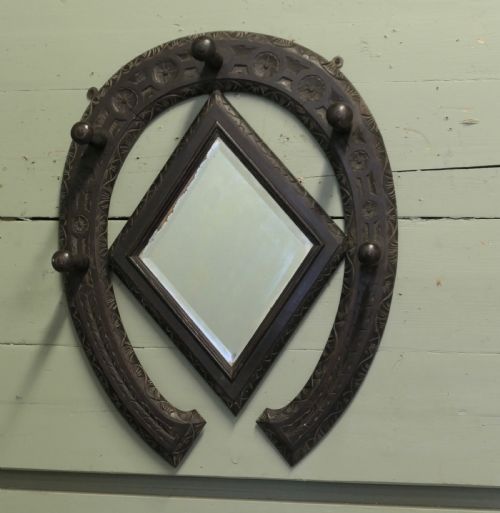
Metal elements including brass galleries, iron hooks, and pewter fittings were integrated for structural support and hanging utility, alongside glass panels in mirrored variants.
Wooden Wall Hanging Rack Retail Price Guide 2026
Typical asking prices for wooden wall hanging rack among the pieces listed under this phrase on Sellingantiques today, from the lower quarter to the upper quarter. They describe what is for sale here now, not the wider market.
What varies in quality
The standard of a piece is determined by the selection of timber and the sophistication of its joinery, distinguishing utilitarian items from finely carved or inlaid examples.
Original surface treatments, such as early painted finishes or rich patinated polish, elevate the standing of a rack compared to later alterations.
The Wooden Wall Hanging Rack Glossary
- Delft rack
- A wooden wall shelving unit specifically designed with grooves or rails to display ceramic plates upright.
- Marquetry
- Decorative veneer work using various tinted woods to create geometric or pictorial patterns on the surface.
- Pigeon holes
- Small, compartmentalised vertical storage sections built into a frame for sorting papers or letters.
- Trefid spoons
- Early cutlery types featuring a flattened, three-lobed terminal handle, frequently associated with antique spoon racks.
- Bent wood
- Timber subjected to steam heating to bend it into curved structural shapes, common in later hanging racks.
Wooden Wall Hanging Rack: Frequently Asked Questions
How do I hang a heavy wooden rack?
Heavier timber shelves and bookcases require secure wall fixings into masonry or structural studs to safely bear the combined weight of the wood and displayed objects.
Ensuring the mounting brackets or internal screw points are properly anchored protects both the wall and the antique structure.
Were these racks used in kitchens?
Many oak plate racks and spoon holders originated in domestic kitchens and dining spaces to store everyday tableware and pewter within easy reach.
Their open construction allowed damp plates to dry while keeping culinary implements organised.
How do I date a mahogany shelf?
Dating relies on observing construction methods, timber choice, and stylistic details such as Regency brass galleries or Edwardian inlaid decoration.
Comparing the backboards, joinery marks, and overall wear helps place the piece within the Georgian, Victorian, or Edwardian eras.
Can I use a spoon rack for modern items?
Traditional spoon racks adapt well to displaying small collections, miniature curios, or modern teaspoons within contemporary interiors.
Their shallow shelves keep small objects secure against the wall surface.