



Wooden Wall Display Cabinet
When you want a wooden wall display cabinet, you are looking for a compact place to show off small treasures without eating up floor space.
Wooden Wall Display Cabinet
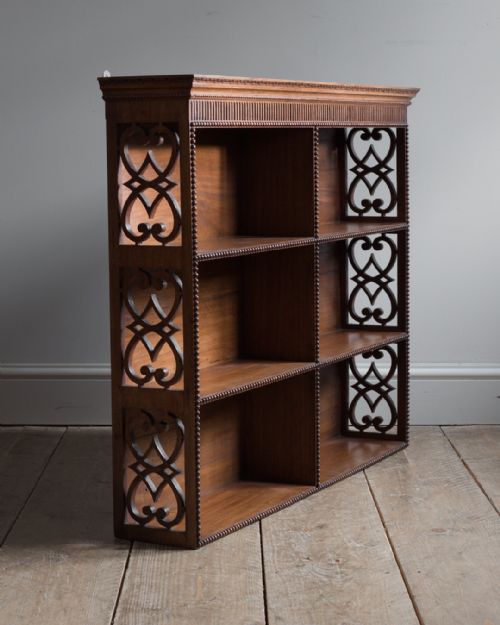
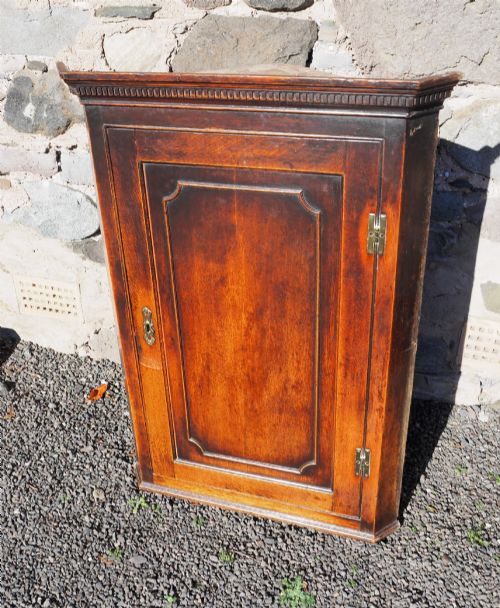
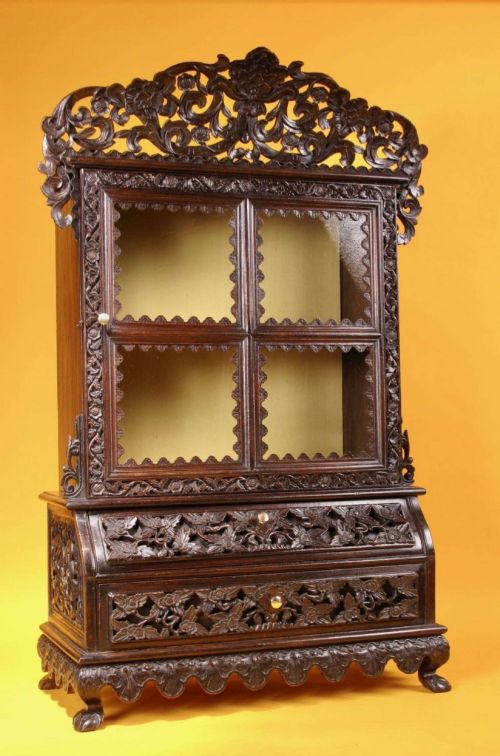
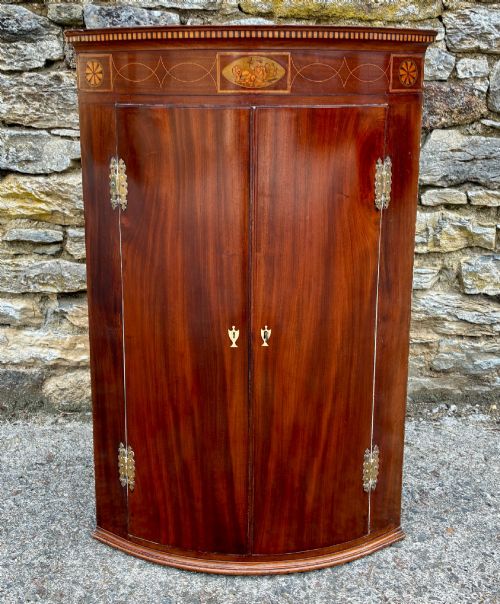
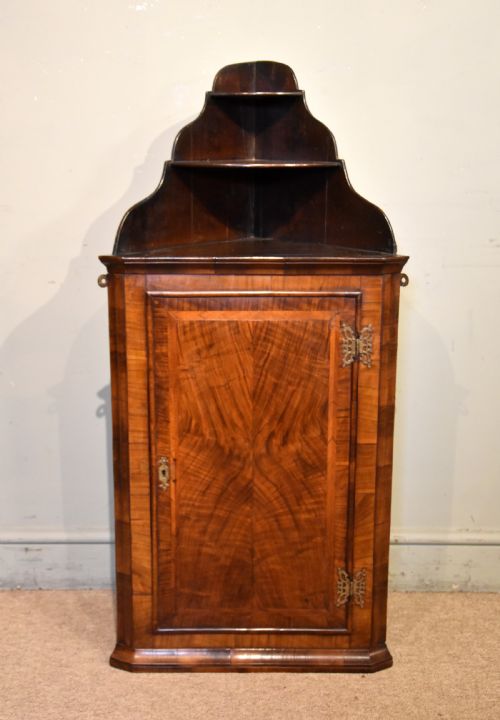
A wooden wall display cabinet usually takes the form of a hanging corner cupboard or a flat wall-mounted cabinet designed to keep small collections visible yet secure. These pieces span centuries, originating in heavy timber utilitarian forms and evolving into lighter display furniture.
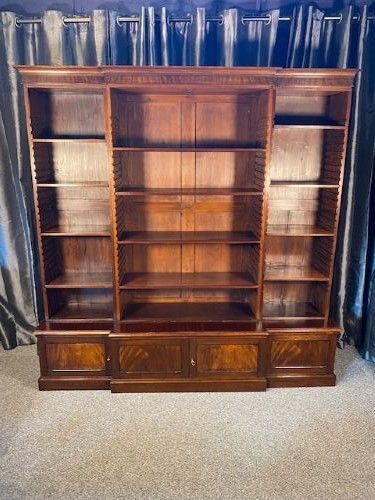
The most common formats on this page are corner cupboards and hanging shelves built from regional timbers like oak and mahogany. Many feature glazed doors or open fronts intended to exhibit ceramics, books, or small ornaments in domestic rooms.
Origins stretch from English country workshops to continental European centres, with period styles ranging from plain Georgian panels to ornate Victorian revival work. Buyers select them to utilise awkward corners or blank wall spaces while adding period character to a room.
How they were made
Cabinetmakers relied on dense hardwoods such as mahogany, walnut, and oak for structural stability and fine carving, often pairing them with softer secondary woods for interiors and backs. These timbers were joined using traditional framing techniques to support the weight of door hardware and glass panes.
Glazing bars divided single or double glass doors into smaller geometric panes, while brass hinges, latches, and escutcheons provided functional closure. Surface finishes ranged from plain wax polish to original painted interiors and intricate boxwood inlay.
Wooden Wall Display Cabinet Retail Price Guide 2026
Typical asking prices for wooden wall display cabinet among the pieces listed under this phrase on Sellingantiques today, from the lower quarter to the upper quarter. They describe what is for sale here now, not the wider market.
Cabinet styles range from plain provincial storage cupboards to glazed display units and specialised advertising cigar cabinets.
What varies in quality
The refinement of timber selection and the precision of surface decoration set the finer examples apart from standard utility cupboards. Superior pieces display carefully matched grain patterns, crisp mouldings like broken arch pediments, and well-executed inlay work rather than plain construction.
Proportion and structural integrity dictate the overall success of the piece, where original hardware, intact glass, and tight joinery indicate a higher standard of original workshop production.
The Wooden Wall Display Cabinet Glossary
- Bow front
- A convex, curved front on a cabinet or cupboard that projects outward. This shape became particularly popular during the Georgian and Regency periods.
- Broken arch pediment
- A decorative architectural feature at the top of a cabinet where the triangular pediment is left open at the apex. It often frames a central plinth or finial.
- Hanging shelves
- Open wooden shelving units designed to be mounted directly onto a wall rather than resting on the floor. They frequently feature side panels and plate grooves.
- Glazed door
- A door frame fitted with glass panes to allow visibility of the interior contents. These are common on display cabinets and bookcases.
- Inlay
- A technique where contrasting materials such as boxwood or satinwood are inserted into recesses in the primary wood surface to create decorative patterns.
Wooden Wall Display Cabinet: Frequently Asked Questions
How do I hang a heavy wooden wall cabinet securely?
These cabinets often require robust fixings screwed directly into wall studs or masonry to support the combined weight of the timber and displayed items. Professional installation ensures the structure remains stable against the wall.
Older cabinets may have original hanging brackets that need careful assessment before loading them with heavy ceramics or books.
Are corner cabinets difficult to fit into modern rooms?
Corner units are designed specifically to occupy unused wall junctions, making them practical for smaller spaces where floor area is limited. Their triangular footprint allows them to tuck neatly into room angles.
Measuring the precise wall depth and door swing clearance ensures the cabinet fits properly without obstructing nearby furniture.
What is the difference between a wall cabinet and a bookcase?
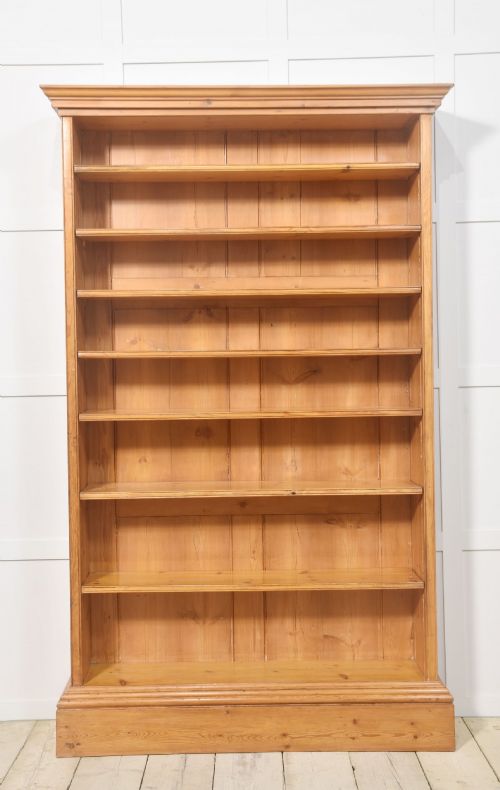
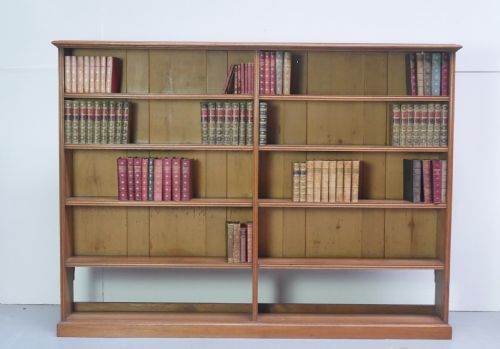
Wall cabinets generally feature doors, sometimes glazed, to enclose and protect the contents from dust. Bookcases on this page often appear as open shelving units designed for easy book access.
Both types serve storage and display functions, but enclosed cabinets offer more security for delicate objects.
How should I care for antique wood finishes?
Maintaining the wood involves occasional light dusting with a dry cloth and sparing application of traditional beeswax to nourish dry timber. Avoid placing these pieces in direct sunlight or near heat sources to prevent warping.
Keeping room humidity stable protects both the timber structure and any delicate inlay work.