

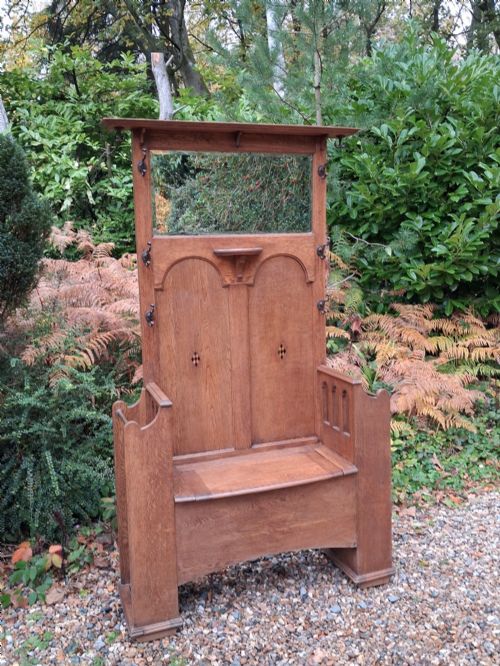
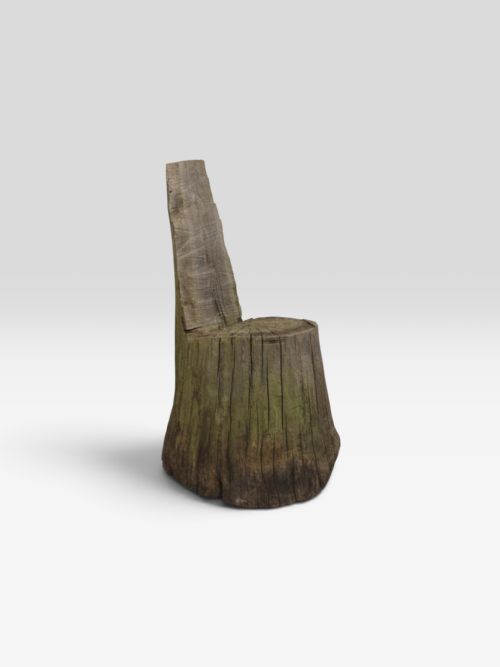
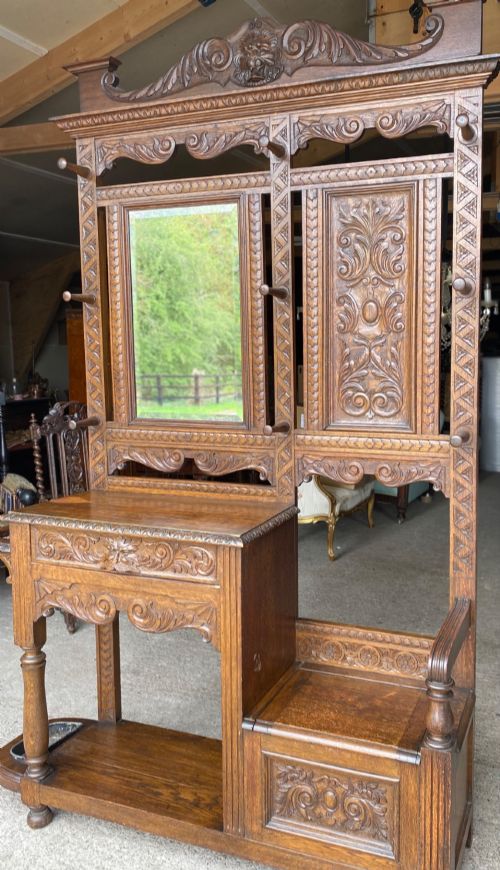
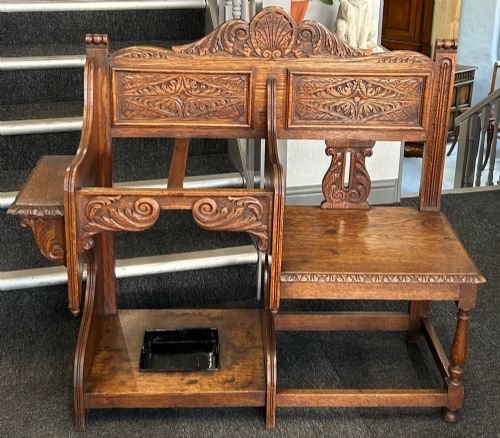


Wooden Tree Seat
These wooden tree seat examples bring natural form and garden utility together around a mature trunk, offering a quiet place to sit outdoors.
Wooden Tree Seat
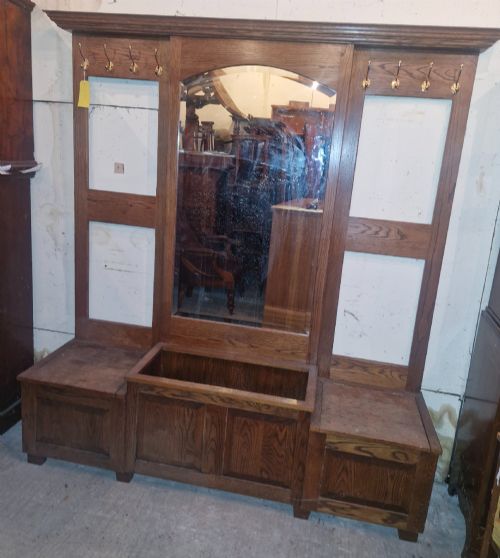
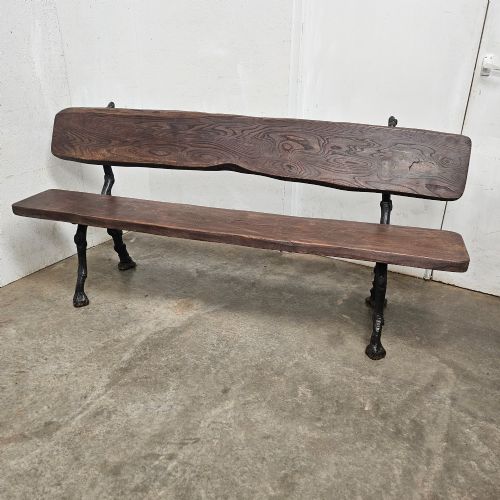
A wooden tree seat encircles a living trunk to create a resting place within a garden, blending architectural timber with natural growth. The selection spans structural slatted garden benches from the early twentieth century and rustic forms shaped from raw timber.
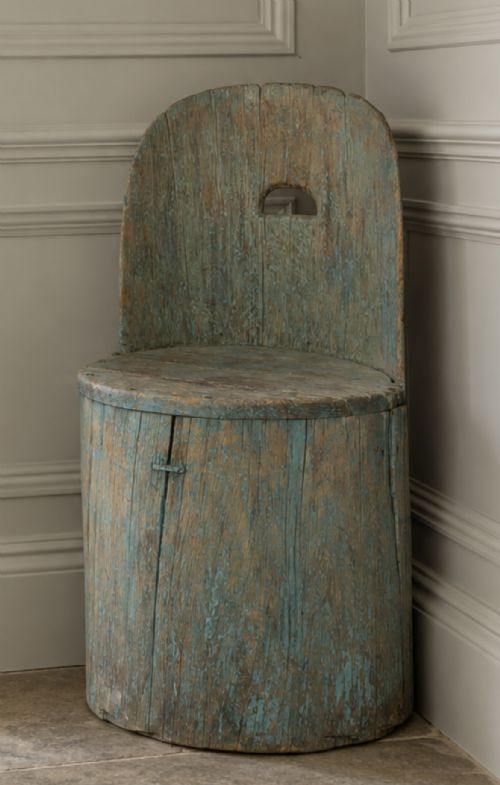
Buyers will encounter variations ranging from slatted circular constructions designed for outdoor placement to root chairs and dug out forms. These pieces bridge the gap between functional garden furniture and sculptural organic design.
Materials and construction methods
The construction relies on durable hardwoods and softwoods selected to withstand outdoor environments, including oak, teak, elm, pine, and general solid timber. Teak and oak offer natural resistance to weathering, while elm and pine appear in rustic vernacular forms.
Makers utilised traditional carpentry techniques such as slatted assembly for circular garden benches and hollowed-out construction for dug out chairs. Iron fastenings and reinforcements are frequently integrated to secure curved sections around a trunk.
Wooden Tree Seat Retail Price Guide 2026
Typical asking prices for wooden tree seat among the pieces listed under this phrase on Sellingantiques today, from the lower quarter to the upper quarter. They describe what is for sale here now, not the wider market.
Some nineteenth-century makers let the tree do the heavy lifting by turning raw roots straight into chairs.
Assessing quality in wooden tree seats
Quality rests in the precision of the joinery where curved wooden sections meet to form a continuous circle around the tree. Superior examples maintain structural integrity and balanced proportions despite exposure to changing weather conditions.
The selection of raw material dictates the character of the piece, with dense heartwoods and well-figured root sections showing greater longevity than standard utility timber. Finish and preservation of the original surface patina further distinguish finer regional items from basic utilitarian furniture.
The Wooden Tree Seat Glossary
- Slatted
- Constructed from narrow strips of timber spaced evenly to allow drainage and air circulation. This method prevents moisture accumulation on outdoor garden furniture.
- Dug out
- Formed by hollowing out a single solid log or tree trunk to create the seat and back. This ancient woodworking technique produces heavy, monolithic vernacular seating.
- Faux bois
- An artistic imitation of wood or tree branches executed in other materials like metal or concrete. It reflects nineteenth-century romanticism in garden design.
- Gothic Revival
- An architectural and decorative style drawing on medieval forms, featuring pointed arches and heavy carved detail. It appears on nineteenth-century vernacular seating.
- Vernacular
- Everyday objects made by local craftspeople following regional traditions rather than high-style academic designs. These pieces prioritise practical function and local materials.
Wooden Tree Seat: Frequently Asked Questions
How do I measure for a tree seat?
Measure the circumference of your tree trunk at the intended seat height, leaving adequate clearance for future growth. Circular seats require precise inner diameters to fit snugly without damaging the bark.
Account for the overall outer footprint in your garden layout so pathways and surrounding plantings remain accessible.
Are wooden tree seats left outside year round?
Most durable timbers like teak and oak withstand outdoor exposure through winter seasons. Applying appropriate protective treatments helps guard against excessive moisture absorption.
Sheltering more delicate rustic or painted pieces during harsh weather extends their usable lifespan.
How do I maintain the timber finish?
Clean the surface periodically with mild soap and water to remove dirt, algae, and organic debris. This prevents moisture retention in the grain.
Allowing hardwoods like teak to weather naturally produces a silver-grey patina, whereas oiled finishes require regular reapplication to maintain colour depth.
What is a root chair?
A root chair utilises the natural contours of a tree stump or root system to form the seat and backrest. Makers shape these organic elements minimally to preserve the original growth patterns.
This approach aligns with nineteenth-century rustic tastes favouring raw, unaltered natural forms.