



Wooden Toy Box
A wooden toy box brings honest, enduring utility and timeless character into a room while safely housing a collection.
Wooden Toy Box
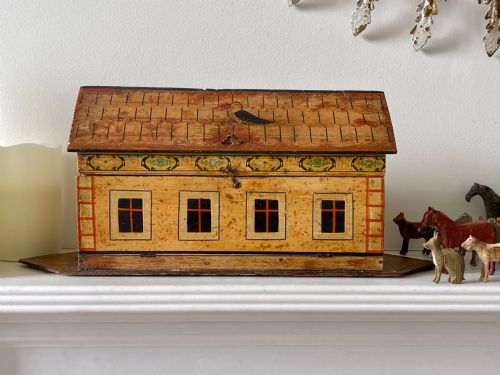
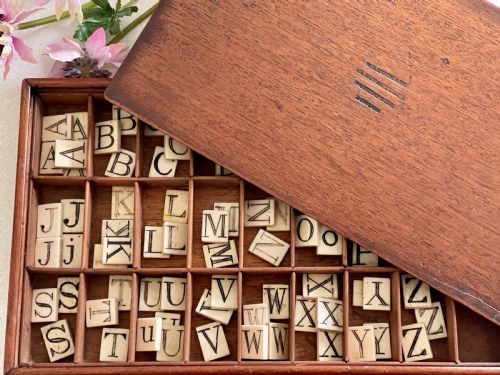
A wooden toy box spans a range of robust storage forms, from vernacular pine trunks and blanket chests to specialised novelties like alphabet boxes, Noahs arks, and puppet theatres. These vessels served practical domestic purposes in nurseries and farmhouses throughout the nineteenth and early twentieth centuries.
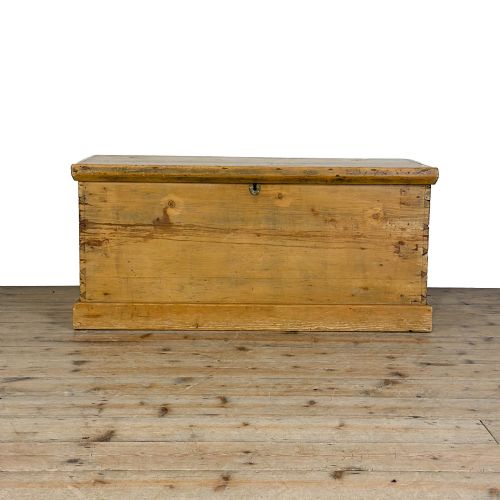
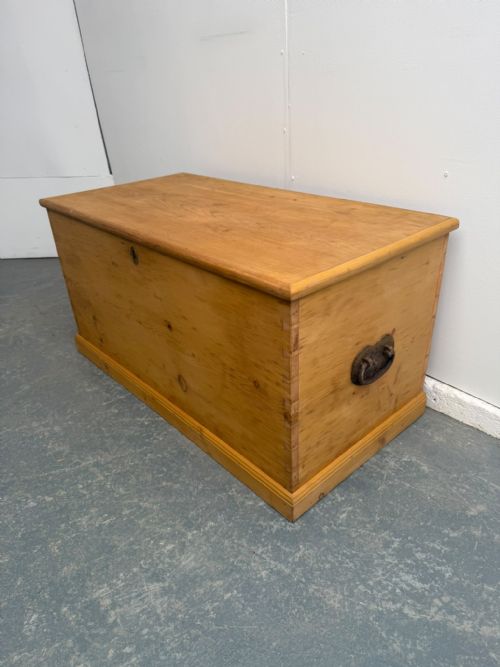
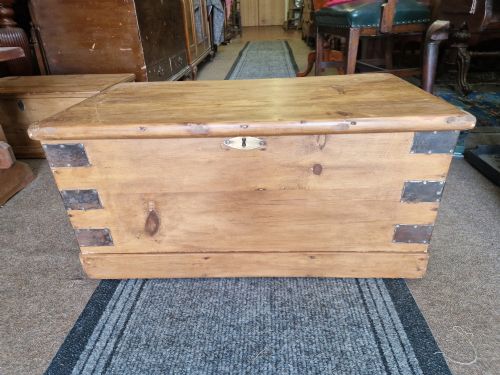
The versions most commonly met on this page are sturdy Victorian pine chests and blanket boxes finished with waxed or stripped surfaces, alongside smaller items like painted storage trunks from the nineteen-thirties and elm bedding boxes dating back to the nineteenth century.
How they were made
Makers constructed these pieces primarily from solid pine and elm, utilising durable timber that could withstand heavy daily use in family homes. Surfaces were frequently waxed, stripped, or finished with hand-painted details to enhance the grain and appearance of the wood.
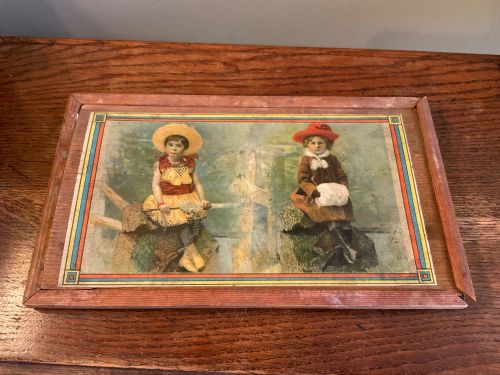
Iron and brass hardware such as hinges, handles, and catches provided essential structural reinforcement for large trunks and storage chests. Paper and cardboard elements occasionally appeared in smaller novelty items like alphabet boxes and watercolour sets.
Wooden Toy Box Retail Price Guide 2026
Typical asking prices for wooden toy box among the pieces listed under this phrase on Sellingantiques today, from the lower quarter to the upper quarter. They describe what is for sale here now, not the wider market.
Among the historical items listed are complete sets containing over fifty animals, birds, and figures designed for a nineteenth-century Noahs ark.
What varies in quality
The standard of a piece depends heavily on the integrity of its timber and the retention of original surfaces, such as early wax finishes or hand-painted decoration. Boxes that retain operational brass and iron hardware without excessive modern replacement parts command greater appreciation.
The degree of craftsmanship in regional vernacular details, from dovetail joints to custom ironwork, distinguishes standard utility trunks from more distinctive folk art objects like puppet theatres and Noahs arks.
The Wooden Toy Box Glossary
- Pine
- A soft timber widely used for nineteenth-century domestic furniture and utility boxes. It accepts wax finishes readily.
- Mule chest
- A storage chest featuring one or more drawers beneath the main compartment. This form bridges the traditional blanket box and the chest of drawers.
- Folk art
- Utilitarian objects created by self-taught or local makers, often displaying distinct regional characteristics and hand-painted decoration. These pieces reflect traditional community aesthetics.
- Vernacular
- Everyday architecture and furniture built by local craftsmen to meet practical local needs rather than following academic design styles. These objects use regional materials.
- Waxed finish
- A traditional surface treatment using natural wax to protect timber and highlight the grain. It produces a soft lustre through repeated application.
Wooden Toy Box: Frequently Asked Questions
How were old wooden toy boxes used?
These boxes served primarily as robust storage furniture in Victorian nurseries and family homes to keep children's playthings, blankets, and personal items organised. Many doubled as seating benches or heavy-duty trunks for household storage.
Over decades of domestic life, they evolved from utilitarian storage into cherished family possessions passed down through generations.
How do I clean a waxed pine box?
Maintain a waxed pine surface by gently dusting with a soft, dry cloth to remove everyday accumulation. Avoid harsh chemical cleaners that strip the historic wax and dry out the timber.
Apply a traditional beeswax polish sparingly when the wood appears dull, then buff gently to restore the natural lustre.
How can I tell a Victorian pine trunk apart from later pieces?
Victorian pine trunks often feature hand-cut joinery, traditional forged iron hardware, and aged timber patination developed over a century of use. The construction methods and fastener types reveal the period of manufacture.
Later twentieth-century boxes generally display more uniform machine sawing and modern hardware fixings without the same depth of surface wear.
Are these boxes suitable for modern children's rooms?
These historical storage pieces integrate well into contemporary children's rooms, offering generous capacity for modern toys and books. Their solid timber construction ensures they remain durable for daily household use.
Placing felt pads beneath heavy pine chests helps protect modern flooring from friction marks.