




Wooden Top Island
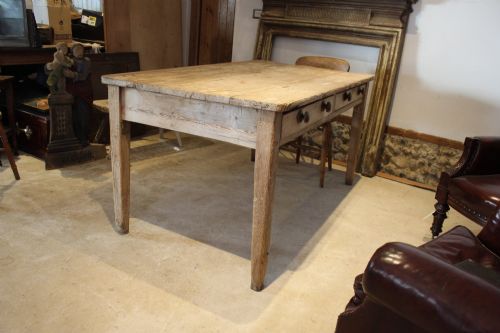
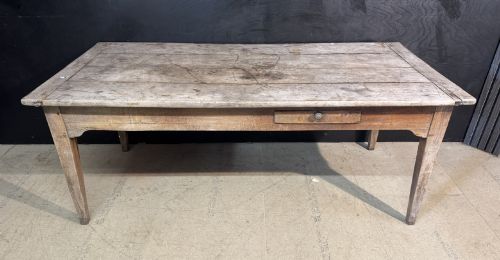
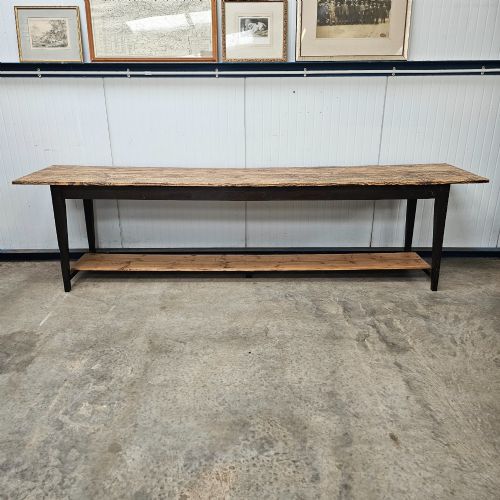
These wooden top island pieces are hardworking kitchen and prep tables built for heavy daily use, offering lasting character and solid timber surfaces.
Wooden Top Island
When you search for wooden top island, you are looking at sturdy work tables, prep tables, and harvest tables designed for practical spaces. These items originate predominantly from the 19th Century, alongside examples from 1850, 1900, and 1920.
Origins span English, French Normandy, and general European contexts, reflecting domestic and commercial working environments. Each piece provides a functional surface intended for preparation and gathering.
How they were made
Construction relies heavily on timber framing using pine, oak, elm, ash, sycamore, and mahogany. Tops frequently feature scrubbed or plain wood, paired occasionally with painted bases or later paint applications.
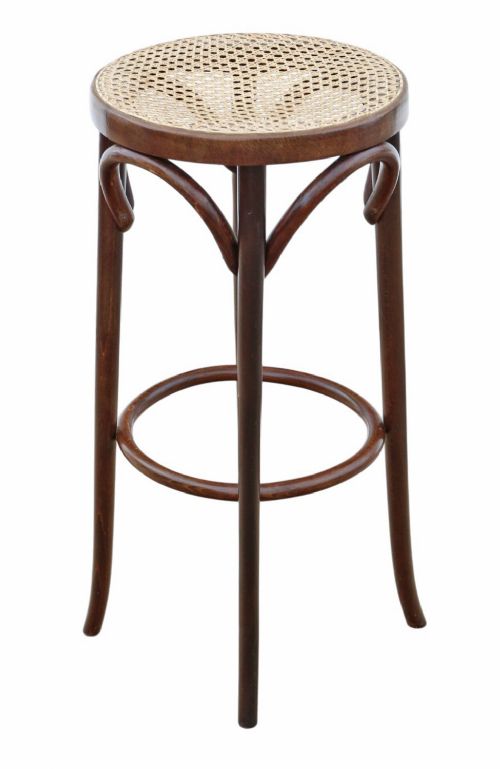
Additional hardware and structural elements incorporate brass and metal components. Seating and related items also utilise bentwood techniques alongside traditional joinery.
Wooden Top Island Retail Price Guide 2026
Typical asking prices for wooden top island among the pieces listed under this phrase on Sellingantiques today, from the lower quarter to the upper quarter. They describe what is for sale here now, not the wider market.
Listings span the 19th Century, 1850, 1900, and 1920, utilising pine, oak, elm, ash, sycamore, mahogany, paint, brass, and metal.
What varies in quality
Quality differentiation rests on the choice and maturity of timber, such as dense oak versus softer pine, and the integrity of the original construction. Tables featuring substantial two-tier designs or integrated drawers demonstrate higher utility and refined joinery.
The proportion and balance of the piece dictate its presence in a room, with certain items showing finer finishing in the turned legs or panelled framing.
The Wooden Top Island Glossary
- Scrub top
- A bare wooden tabletop designed to be repeatedly scrubbed clean with water and a brush. This finish is typical of hardworking kitchen and prep tables.
- Harvest table
- A long, narrow dining or work table traditionally used for communal farm meals. These often accommodate larger gatherings due to their extended proportions.
- Prep table
- A utilitarian work table utilised for food preparation or domestic tasks. These pieces frequently include drawers or lower shelves for storage.
- Bentwood
- Wood that has been steamed and bent into curved shapes, commonly seen in stool frames. This technique allows for sturdy, lightweight seating.
Wooden Top Island: Frequently Asked Questions
What is a wooden top island?
It is a heavy-duty work table or prep table designed with a solid wooden surface for kitchen and domestic use.
These pieces typically date from the nineteenth and early twentieth centuries, drawing on regional styles like French Provincial and English Country.
How were these tables used?
They served as central workspaces for food preparation, baking, and farm tasks in kitchens and country houses.
Some examples also functioned as shop counters or harvest tables for communal dining.
What woods are used?
Construction commonly involves pine and oak, alongside elm, ash, sycamore, and mahogany.
Some bases feature painted finishes or later paint layers applied over the original timber.
How do I date a piece?
Dating relies on timber selection, construction methods, and stylistic cues associated with periods like the Victorian era or Edwardian times.
Details such as drawer construction and paint history help place an item within the nineteenth or early twentieth century.