

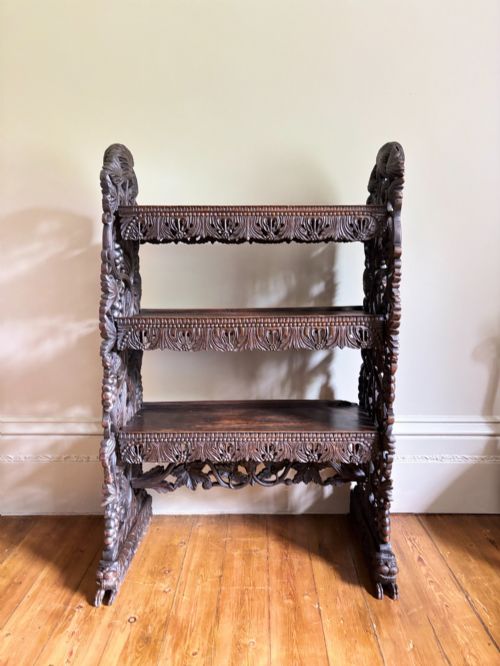
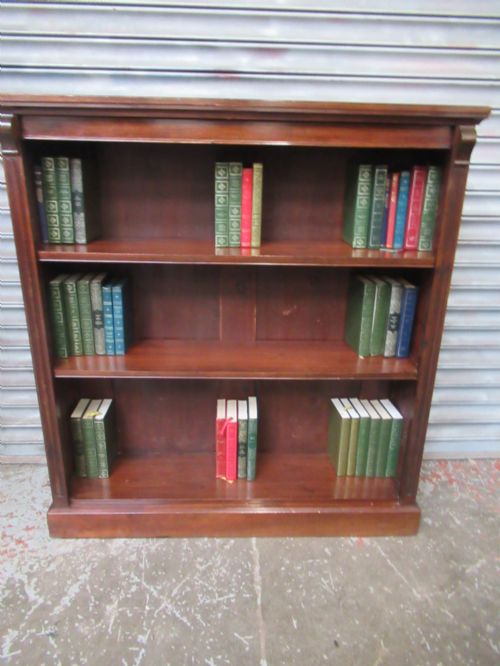
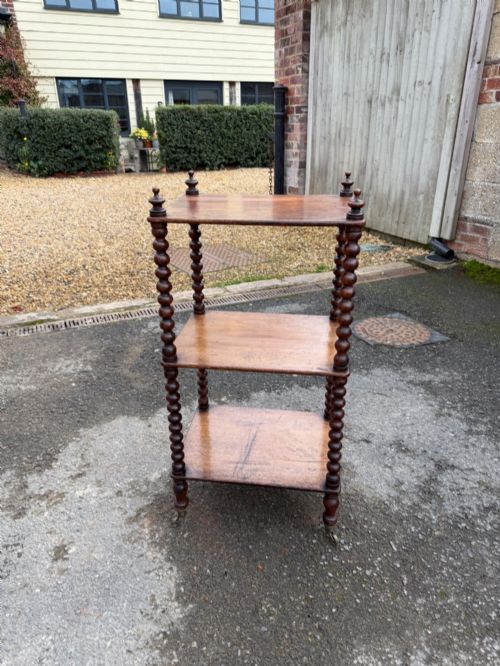
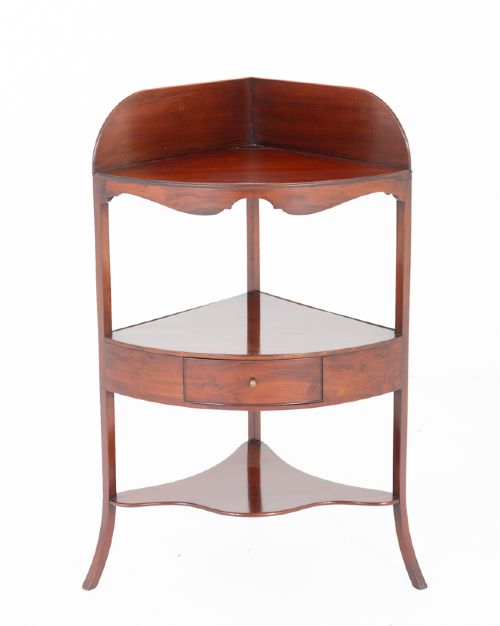




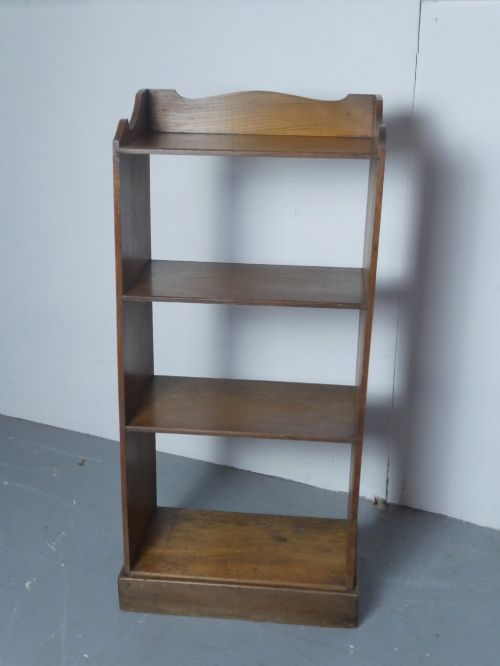
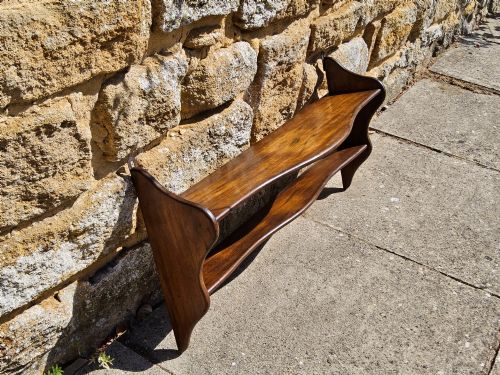
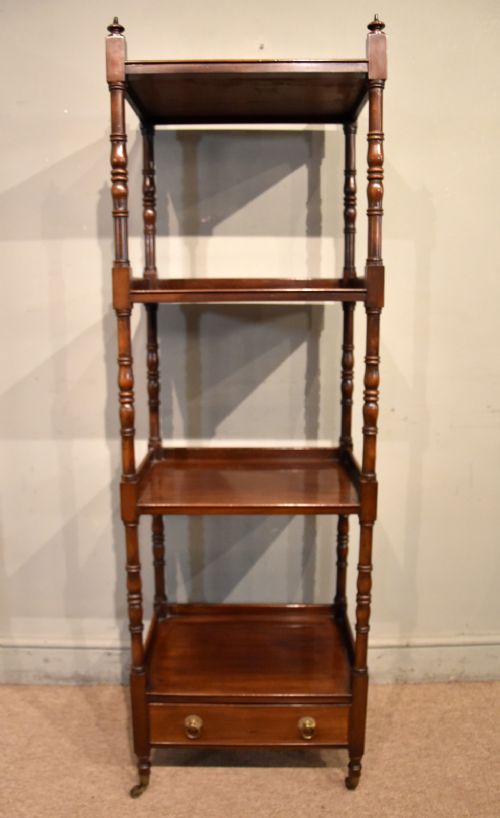
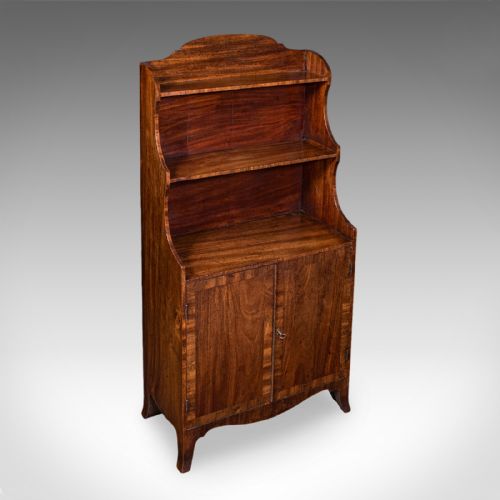
Wooden Tier Shelf Unit
These wooden tier shelf unit pieces provide stepped display and storage surface, combining utility with distinct period character.
Wooden Tier Shelf Unit
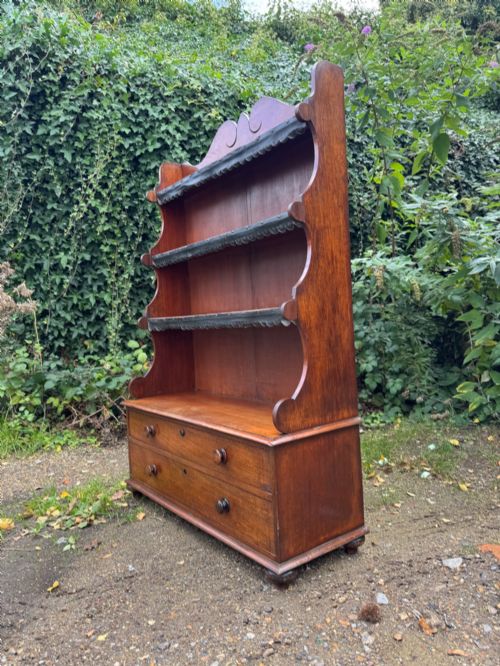
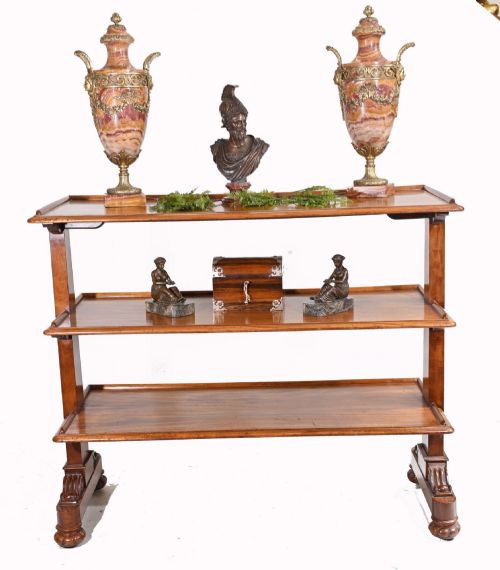
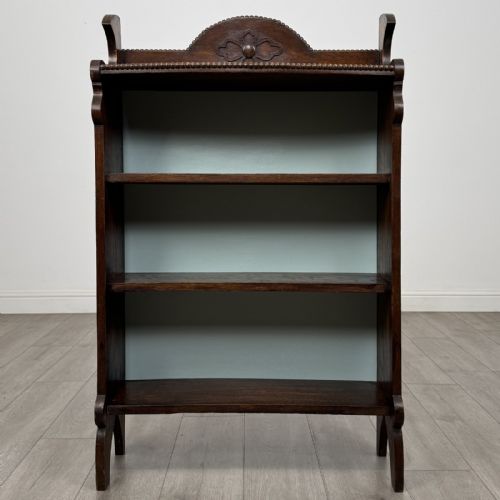
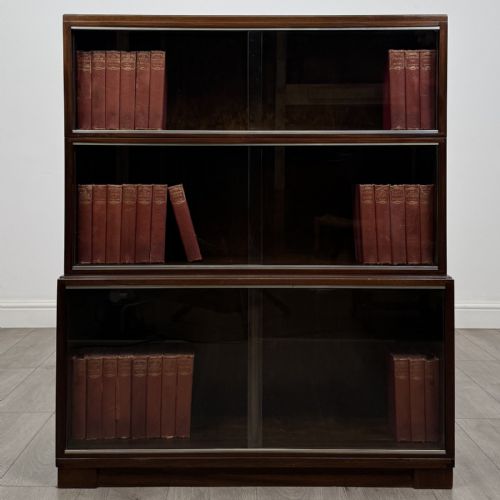
A wooden tier shelf unit brings together multiple levels of horizontal surface designed to display or store objects within a room. When you examine this selection, you encounter forms such as whatnots, etageres, hanging shelves, and bookcases spanning several centuries.
The pieces appearing most frequently originate in the nineteenth century, alongside Georgian, Victorian, and Regency examples. Makers utilised various woods to construct these tiered structures, ranging from open wall shelves to freestanding multi-tiered buffets and bookcases.
Forms vary from corner units and waterfall bookcases to stepped etageres featuring integrated drawers or mirrors. Each piece serves to organise books, display ceramics, or hold smaller decorative items across its distinct levels.
What separates the best from the rest
Quality rests in the choice of timber figure, such as burr walnut, birdseye maple, or well-grained mahogany, and the crispness of turned supports and mouldings. Structural integrity across multiple tiers determines longevity, particularly in pieces with adjustable shelves or original castors.
Integration of secondary functions, such as single drawers, cellarettes, mirrored backs, or raised galleries, elevates a piece beyond simple storage. The harmony of proportions between the tiers and the uprights marks the distinction between standard utility items and finer examples.
Wooden Tier Shelf Unit Retail Price Guide 2026
Typical asking prices for wooden tier shelf unit among the pieces listed under this phrase on Sellingantiques today, from the lower quarter to the upper quarter. They describe what is for sale here now, not the wider market.
Listings span the Georgian, Regency, and Victorian eras, extending into early twentieth-century Arts and Crafts and Edwardian pieces.
Gillows and Co
The Wooden Tier Shelf Unit Glossary
- Whatnot
- A piece of furniture with multiple tiers of shelves for displaying ornaments or books. These freestanding units often feature turned supports and may include small drawers.
- Etagere
- A French display stand with several tiers, similar in function to a whatnot. They frequently appear in walnut or mahogany with turned legs.
- Waterfall bookcase
- A set of open shelves that steps back progressively from bottom to top, creating a profile resembling a cascade. They date across the nineteenth and early twentieth centuries.
- Dumb waiter
- A tiered serving piece or bookcase with multiple levels. Examples in the evidence include Victorian mahogany and walnut constructions.
- Gallery
- A raised wooden or brass rail along the edge of a shelf to stop items from sliding off. This feature appears on open bookcases and whatnots.
Wooden Tier Shelf Unit: Frequently Asked Questions
What is the difference between a whatnot and an etagere?
A whatnot is traditionally a British multi-tiered piece of furniture used for storage or display, often featuring turned uprights and occasionally drawers.
An etagere is the French equivalent, serving a similar multi-level display function but typically carrying lighter decorative associations in its styling.
How do I identify a waterfall bookcase?
A waterfall bookcase is recognised by its stepped shelves that recede in depth from the bottom tier to the top. This profile creates a cascading silhouette.
They appear in various woods across the nineteenth and early twentieth centuries, providing open access for book storage.
Where should I place a tiered shelf unit?
Tiered units function well against living room walls, in corners, or as freestanding room dividers depending on their back construction. Hanging shelves require secure wall fixing.
Their multiple levels make them suitable for displaying collections of books, ceramics, or small decorative objects without dominating the floor space.
How do I care for wooden tier shelves?
Maintain polished hardwood surfaces by dusting regularly with a soft cloth and applying appropriate wax polish sparingly. Avoid placing them in direct sunlight or near heat sources to protect the timber.
Check turned supports and joints periodically to ensure the tiers remain stable under the weight of displayed objects.