
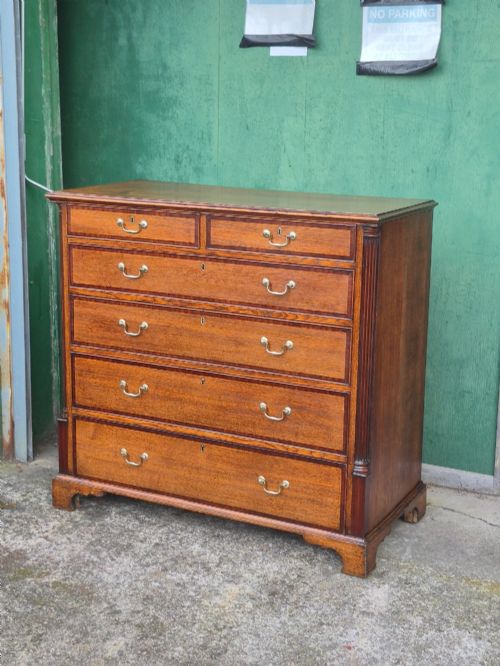
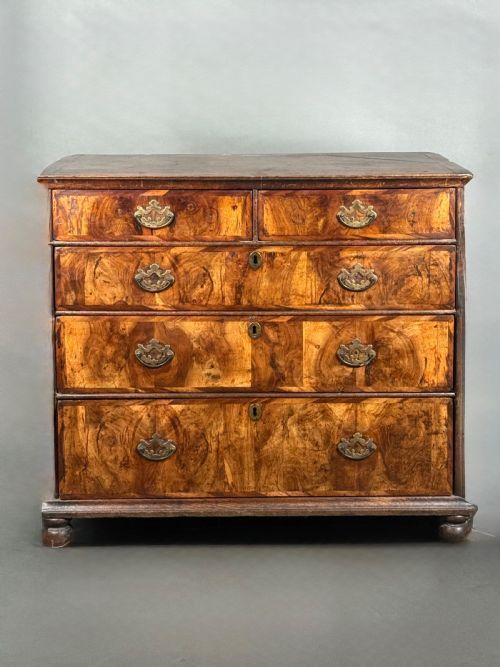
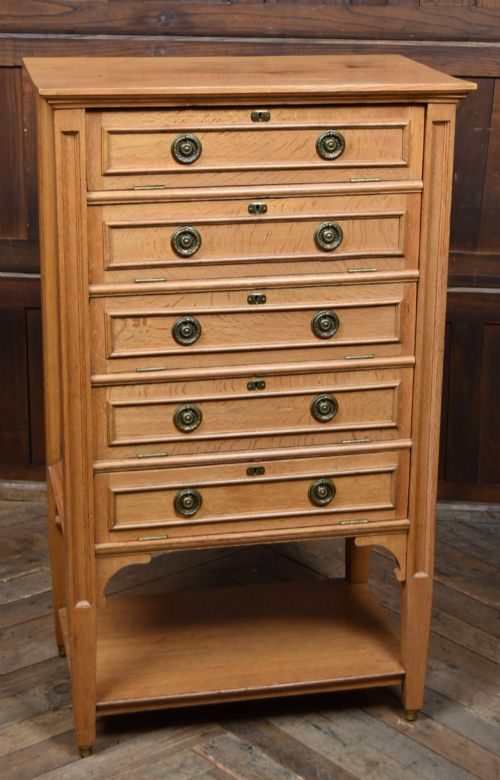
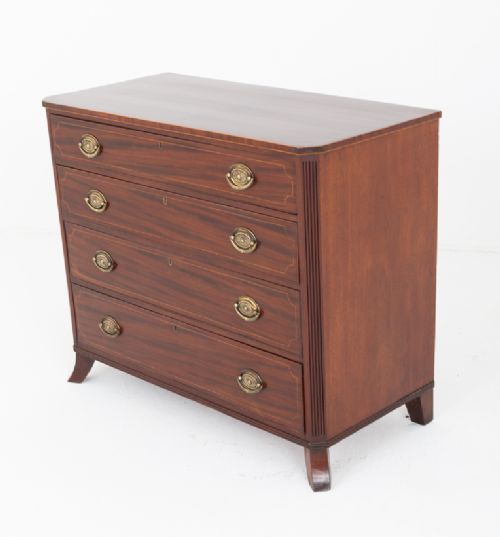

Wooden Tallboy Drawers
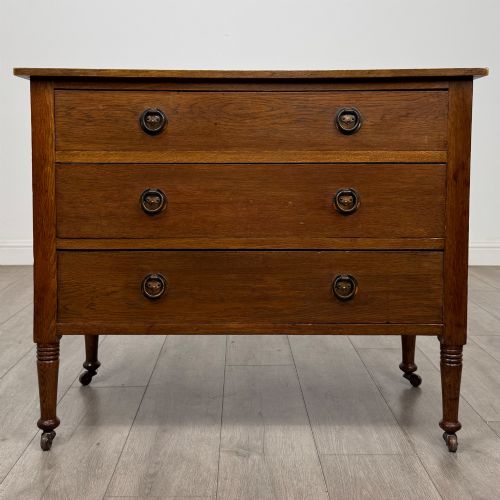
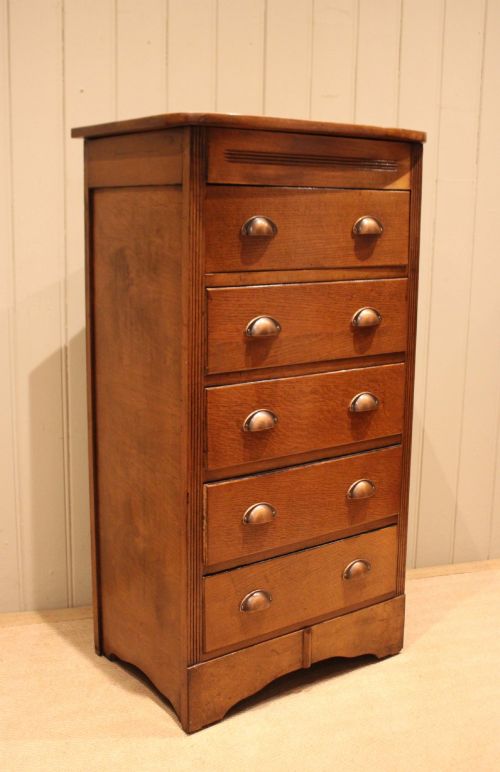
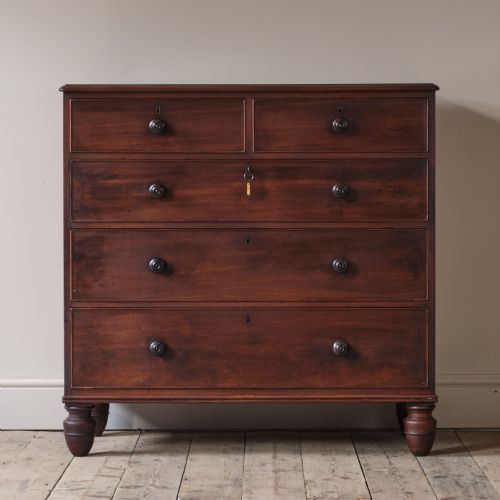
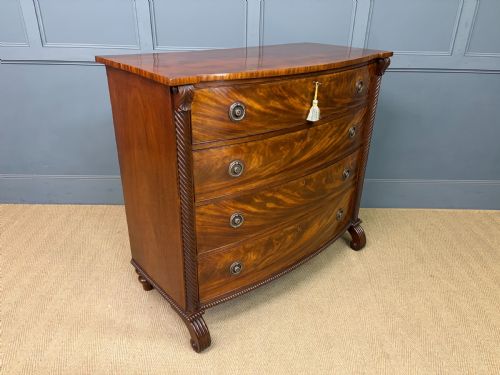
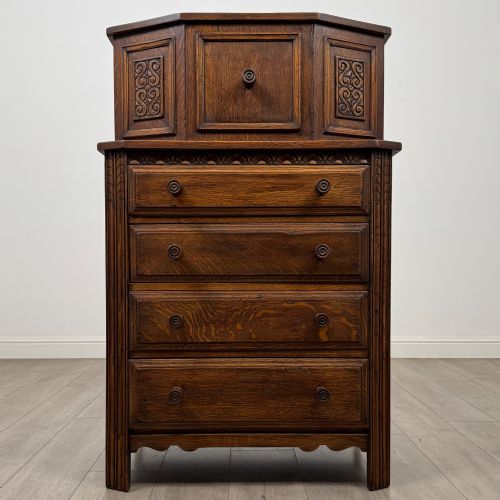
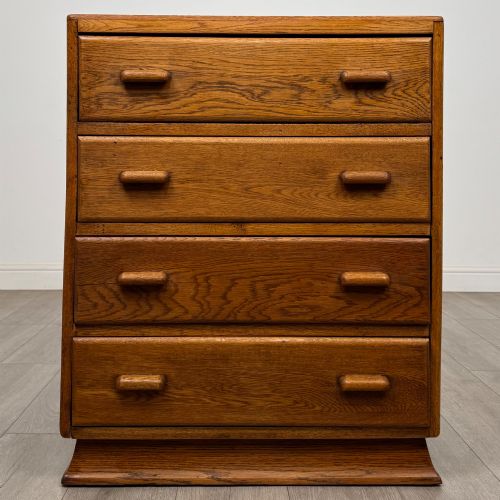
These wooden tallboy drawers bring vertical storage and period character to a room, spanning 18th-century walnut to Edwardian oak.
Wooden Tallboy Drawers
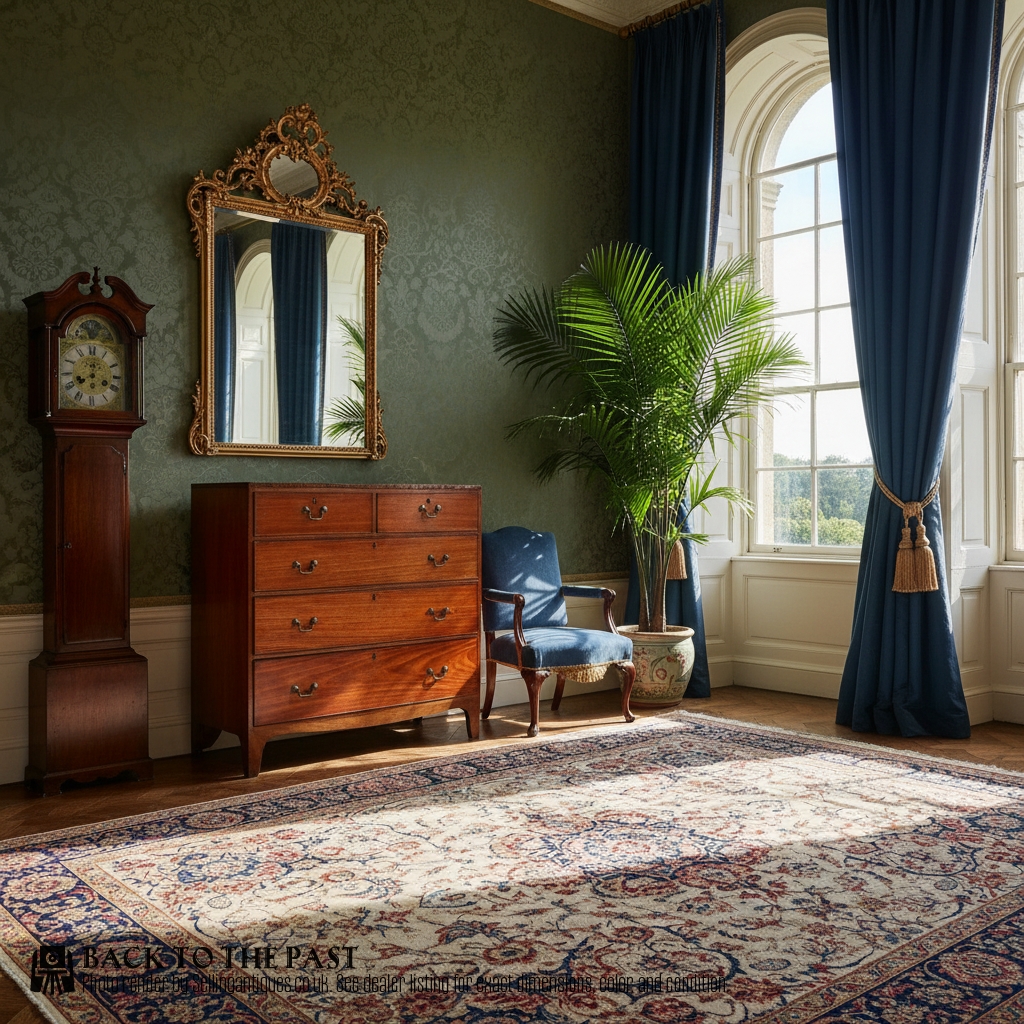
When you search for wooden tallboy drawers, you encounter tall chests, upright cabinets, and narrow chests originating from the 18th century, 19th century, Edwardian era, and 1930s. The selection includes Georgian designs, Victorian pieces in pine and mahogany, and Art Deco walnut furniture.
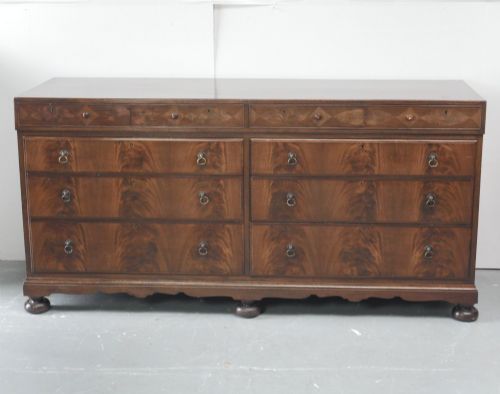
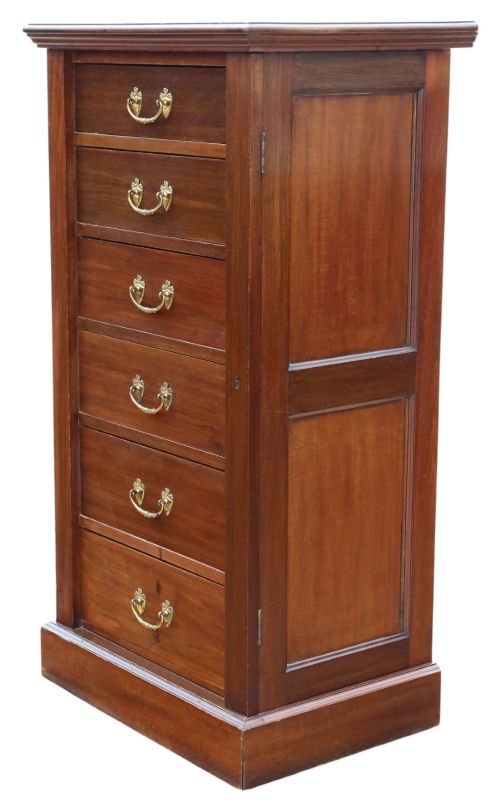
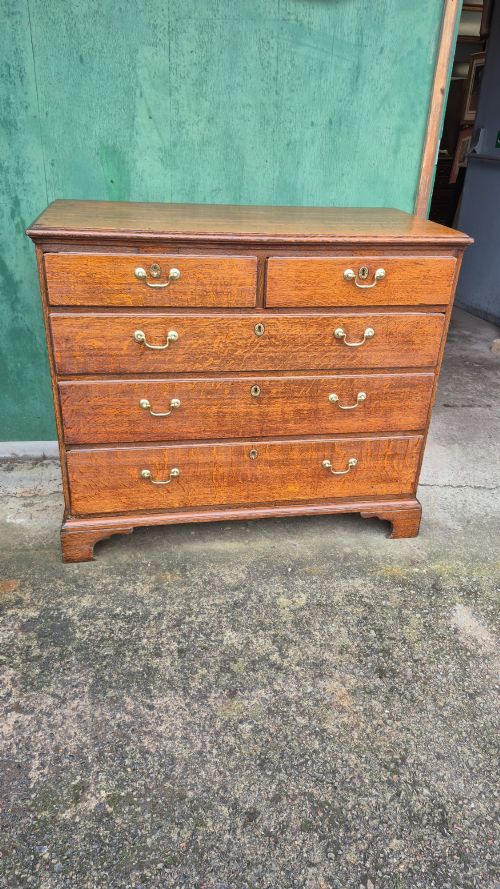
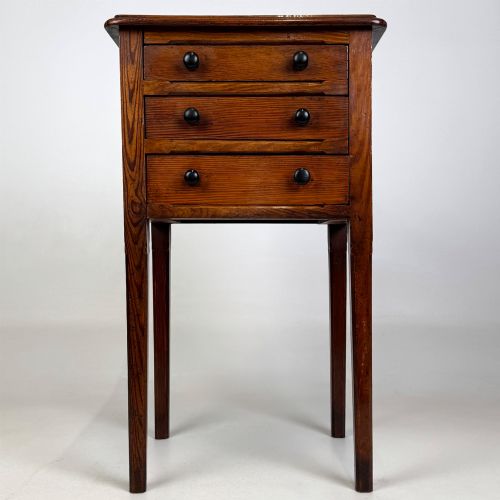
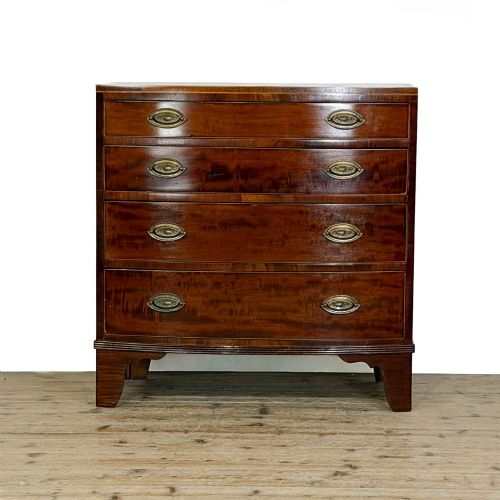
You are most likely to meet mahogany and oak examples on this page, alongside pine, walnut, and flame mahogany veneer. Forms range from standard chests of drawers and Wellington chests to tallboy chest variants, filing cabinets, and small chests on stands.
Materials and construction
Cabinet makers built these pieces using solid timbers like mahogany, oak, walnut, and pine, frequently applying figured walnut or flame mahogany veneers to primary surfaces. Brass handles and escutcheons appear throughout the periods as key hardware fixtures.
Construction techniques include tongue and groove joints in pine pieces and specialised forms such as the hinged locking side stiles found on Wellington chests. Surfaces receive polished timber finishes or painted treatments depending on the workshop and period.
Materials represented include mahogany, oak, walnut, pine, brass, and painted wood finishes.
Assessing quality
The distinction between standard pieces and the finest examples rests upon timber selection and the skill of the cabinet maker. Figured veneers, well-matched wood grain, and original brass hardware elevate a piece above simpler utilitarian storage.
Proportion and execution of detail define the upper tier, seen in serpentine or bow-front profiles and cleanly fitted drawers that operate smoothly within the carcass.
Whytock and Reid·T and G Seddon·Sir Clough Williams Ellis
The Wooden Tallboy Drawers Glossary
- Tallboy
- A tall chest of drawers, often constructed in two sections with a smaller set stacked upon a larger base.
- Wellington chest
- A tall, narrow chest of drawers featuring seven drawers secured by a hinged locking side stile.
- Bow front
- A cabinet front curved outward in a convex shape, frequently seen on Georgian and Regency mahogany chests.
- Flame mahogany veneer
- A decorative wood veneer sliced from timber showing a fiery, flame-like grain pattern.
- Brushing slide
- A pull-out shelf integrated into the chest frame, historically used for folding clothes or writing.
Wooden Tallboy Drawers: Frequently Asked Questions
What is a wooden tallboy?
A wooden tallboy is an upright chest of drawers designed to maximise vertical storage space while occupying a smaller floor footprint than wide drawer units.
These pieces emerged in various forms across the 18th, 19th, and early 20th centuries in oak, mahogany, and walnut.
How do I date a chest?
Dating relies on timber choices, hardware styles, and construction methods associated with periods like the Georgian era, Victorian period, or Edwardian times.
Mahogany and walnut predominate in 18th-century pieces, while pine and oak appear frequently in Victorian and Edwardian examples.
Where should I place a tall chest?
These upright drawer units suit bedrooms and dressing rooms where floor space is limited but vertical storage is required for clothing.
They also function effectively in hallways and studies as organised storage for documents or accessories.
Are these pieces solid wood?
Construction combines solid structural timbers such as oak, mahogany, pine, and walnut with decorative veneers on drawer fronts and primary surfaces.
Cabinet makers utilised flame mahogany veneer and figured walnut to achieve decorative grain patterns across Georgian and Art Deco pieces.