





Wooden Tabletop Cabinet
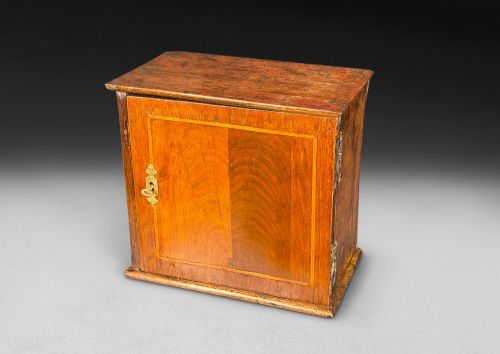
A wooden tabletop cabinet brings miniature scale and functional compartmentalisation to desks and surfaces, offering compact storage for papers, samples and valuables.
Wooden Tabletop Cabinet
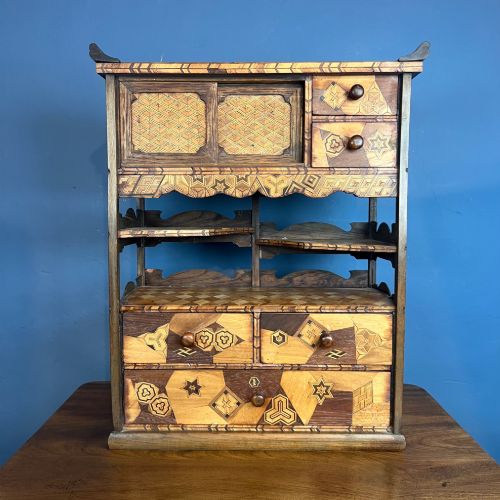
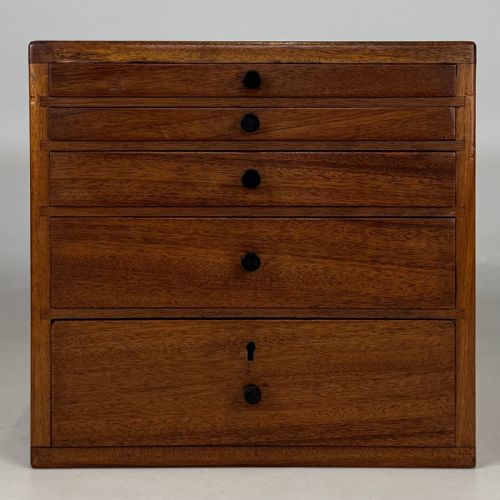
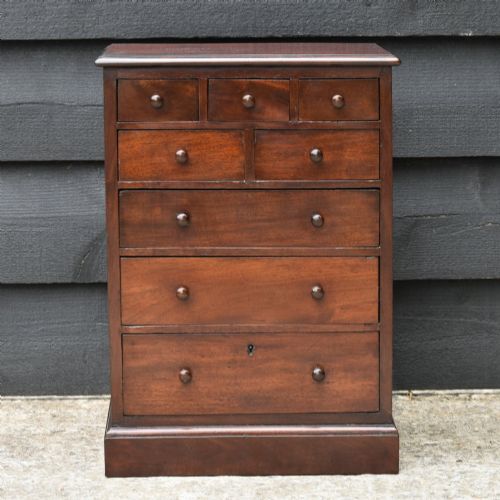
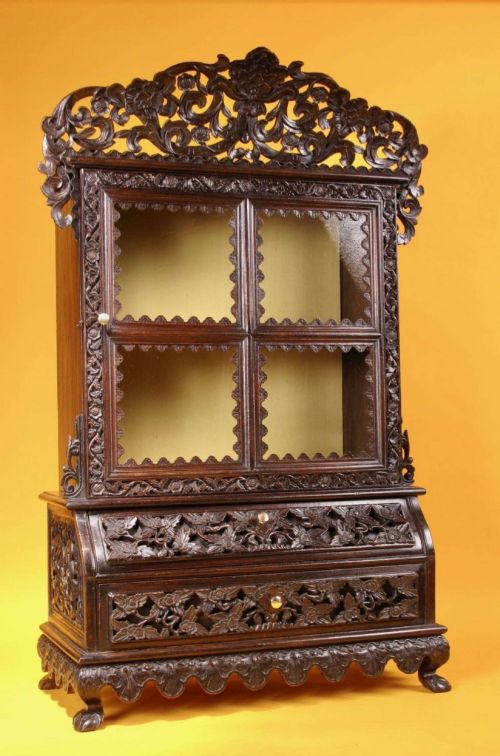
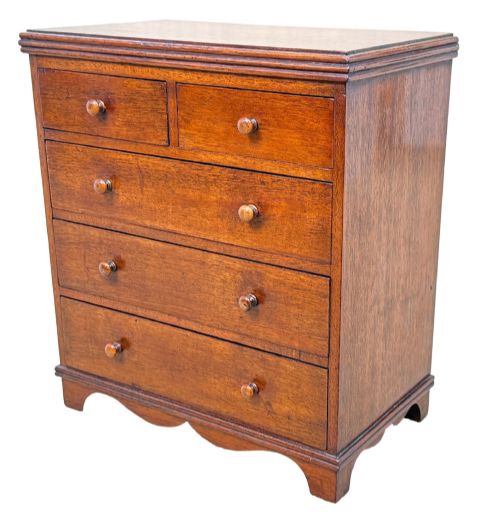
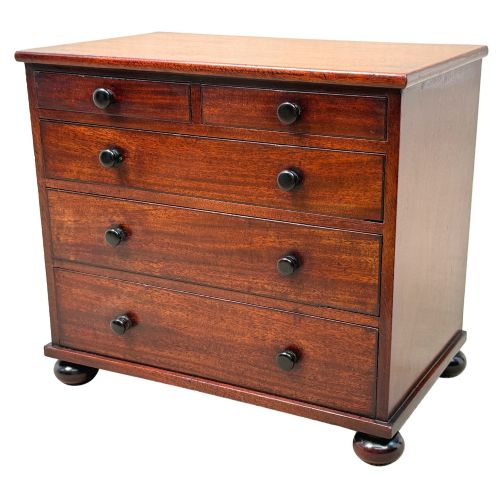
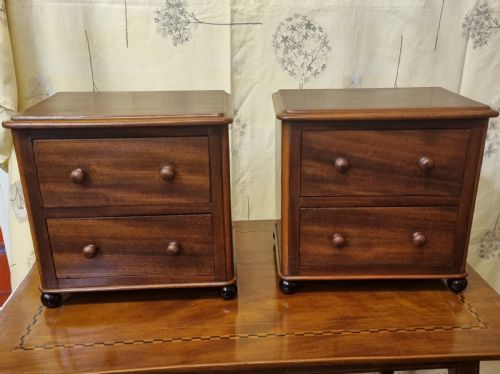
A wooden tabletop cabinet comprises various compact formats designed for desktop or surface placement, ranging from miniature chests of drawers and spice cupboards to stationery organisers and specialist storage cases. These pieces emerge across multiple eras, with Georgian, Victorian, Edwardian and early twentieth-century examples appearing frequently in mahogany, walnut, oak and pine.
Buyers encounter distinct functional variants tailored for specific contents, including collectors cabinets for specimens, jewellery chests with mother of pearl inlay, desktop banks of small drawers, and display cases with glazed doors. Origins span British workshops, Anglo-Indian craft traditions, French ateliers and regional country makers, each bringing distinct stylistic touches to the small-scale carcase.
Materials and Construction
Cabinet makers utilised dense hardwoods such as mahogany, walnut and rosewood alongside utilitarian timbers like oak, pine and fruitwood, often selecting burr veneers or contrasting inlaid woods to add visual depth to compact surfaces. Brass handles, escutcheons, locks and hinges provide functional hardware, while internal linings utilise velvet, silk or fitted wooden dividers tailored to hold specific items.
Joinery techniques relied on dovetailed drawer construction, sturdy carcase framing and precision panel work to ensure stability at a small scale. Glazed doors incorporate thin wooden glazing bars, and specialist pieces feature hand-carved details or applied polychrome finishes depending on regional provenance and period style.
Wooden Tabletop Cabinet Retail Price Guide 2026
Typical asking prices for wooden tabletop cabinet among the pieces listed under this phrase on Sellingantiques today, from the lower quarter to the upper quarter. They describe what is for sale here now, not the wider market.
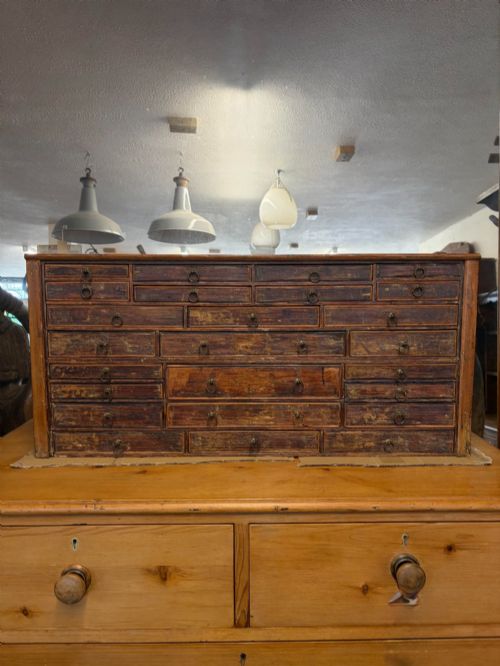
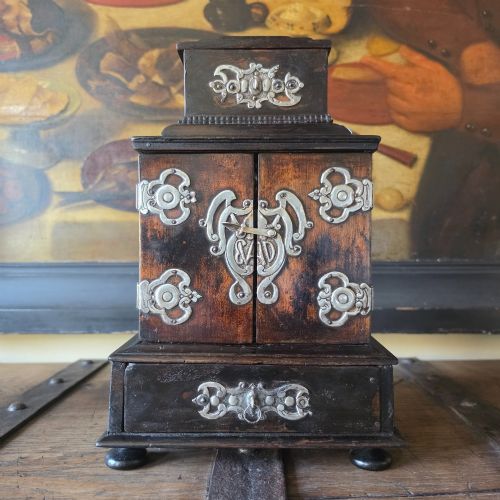
A doctor's smoking cabinet and a miniature armchair make unexpected appearances among the rows of tidy drawers.
Distinctions in Execution
Quality separates pieces through the precision of the cabinet work, seen in tight dovetails, smooth drawer action and the careful selection of timber grain across the visible faces. Superior examples maintain original surface patination, intact period brassware and functioning locks with matching keys.
Finer construction is further evidenced by delicate interior fittings, such as velvet-lined slide trays, secret compartments or intricate hand-carvings that demonstrate the maker's skill within restricted dimensions. Conversely, utilitarian storage boxes or later commercial adaptations rely on simpler joints and standard industrial hardware.
The Wooden Tabletop Cabinet Glossary
- Apprentice piece
- A small-scale item demonstrating advanced craftsmanship, traditionally created by a trainee woodworker seeking master status.
- Wellington chest
- A tall, narrow chest of drawers secured by a hinged vertical locking bar on one side.
- Spice cupboard
- A small wall-hanging or tabletop cabinet containing multiple small internal drawers for culinary ingredients.
- Specimen cabinet
- A specialised storage piece fitted with shallow drawers designed to hold natural history collections, coins or slides.
- Escutcheon
- A protective metal plate surrounding a keyhole, often cast in brass.
Wooden Tabletop Cabinet: Frequently Asked Questions
What were wooden tabletop cabinets used for?
These cabinets served diverse domestic and professional functions, from storing jewellery, stationery and tobacco to housing specialised collections like microscope slides, coins and natural history specimens.
Craftsmen and merchants also utilised smaller drawer units for samples, apothecary items and documentation, keeping essential tools organised upon a desk or counter.
How do I date an antique wooden tabletop cabinet?
Dating relies on observing timber choices, construction methods like hand-cut dovetails, and stylistic markers associated with periods such as Georgian, Victorian or Edwardian design.
Hardware styles, including brass drop handles and escutcheons, provide additional clues regarding the era of manufacture.
Where should I place a tabletop cabinet?
These compact pieces sit comfortably upon sideboards, desks, chests of drawers or large tables where their small footprint leaves floor space unobstructed.
Placing them away from direct heat sources and strong sunlight protects the timber and any internal velvet or paper linings.
Are tabletop cabinets suitable for modern storage?
Their configuration of small drawers, shelves and compartments makes them well-suited for organising modern stationery, craft supplies, trinkets or small collections.
Lockable models provide secure storage for valuables while maintaining a decorative presence in a room.