




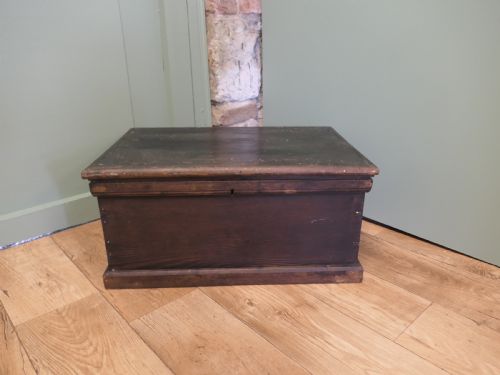
Wooden Storage Table
These wooden storage table pieces bridge everyday utility and traditional craftsmanship, offering practical concealment for household belongings.
Wooden Storage Table
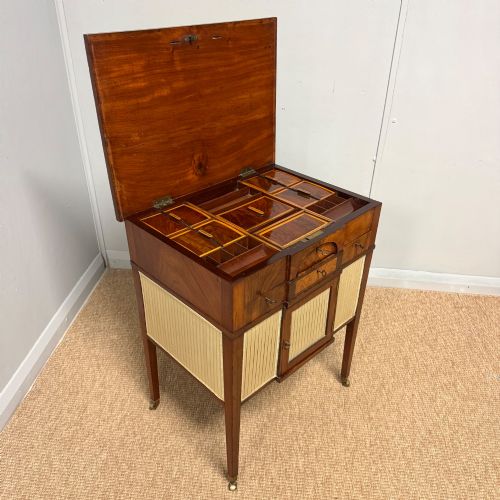
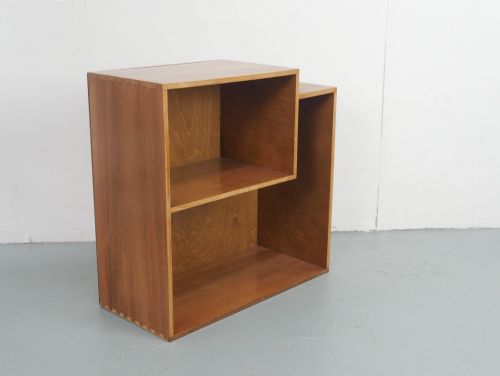
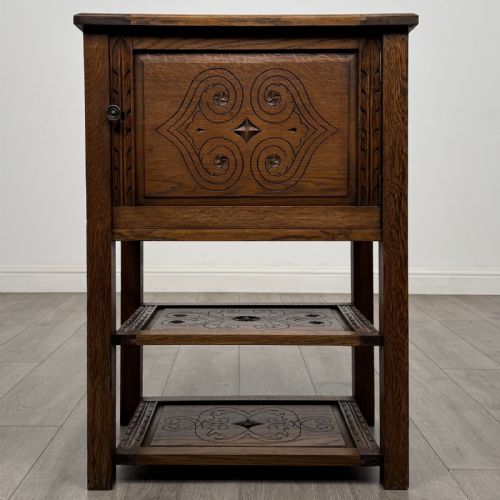
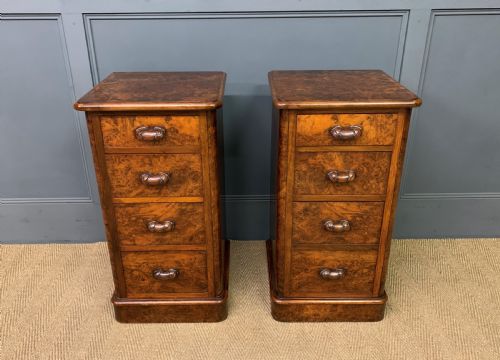
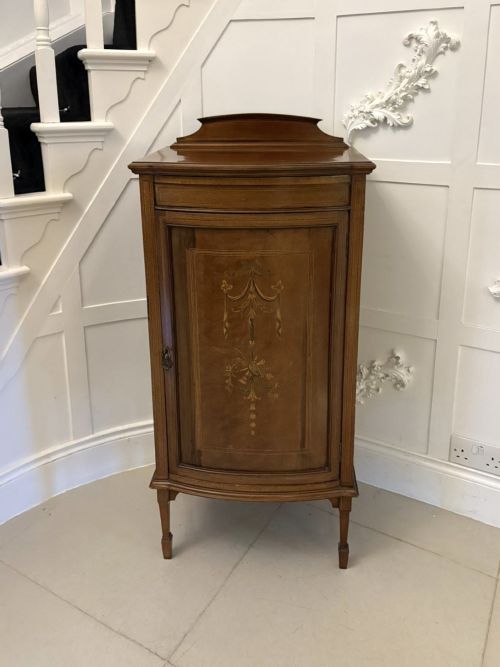
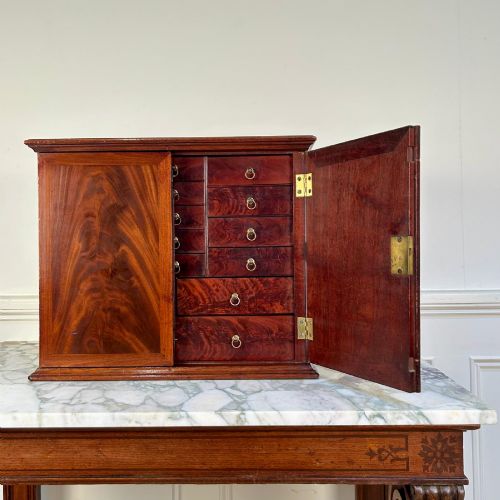
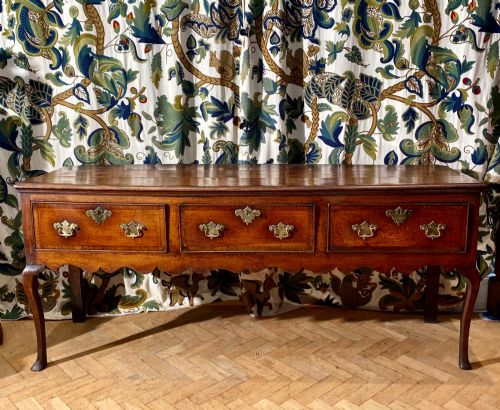
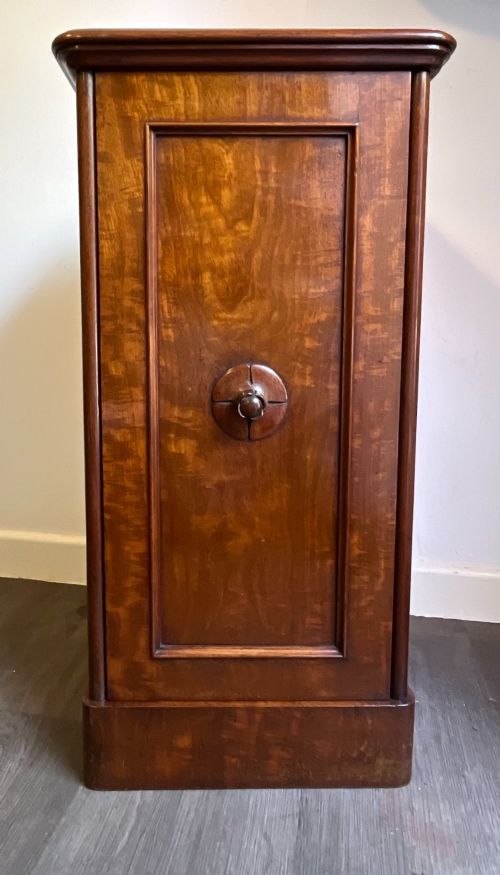
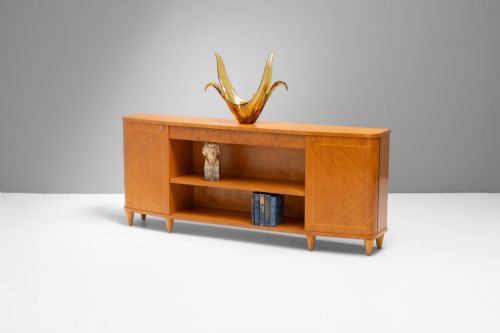
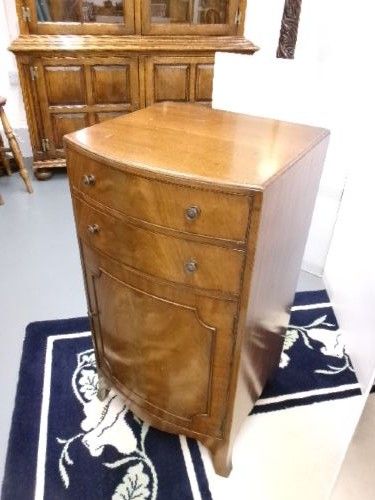
When searching for a wooden storage table, buyers encounter a diverse selection of forms including sideboards, bedside cabinets, trunks, chests, and dresser bases. These items fulfil dual functions by providing surface utility alongside enclosed compartments for household items.
The pieces span multiple eras, most frequently appearing from the eighteenth, nineteenth, and early twentieth centuries. Regional variations and revival styles, such as Georgian, Victorian, and Edwardian, shape the proportions and decorative details of the furniture.
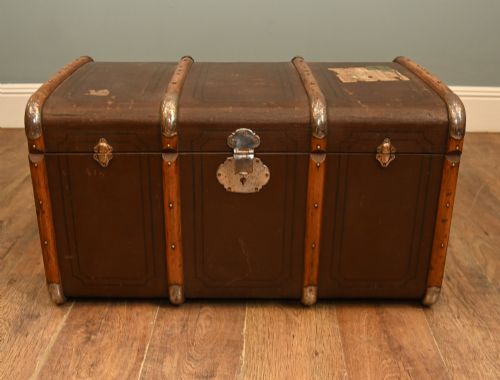
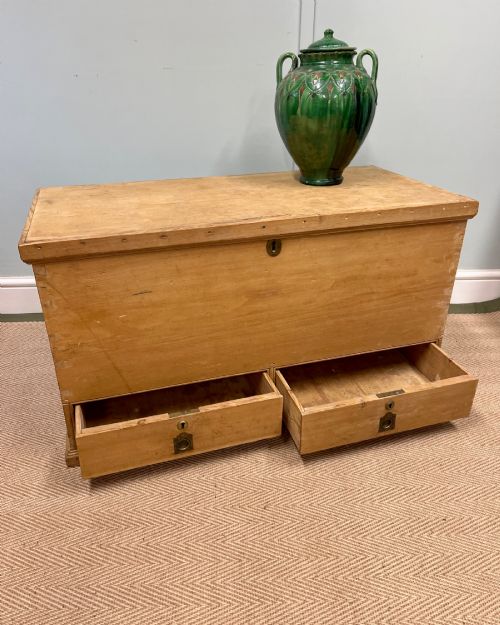
The selection ranges from robust pine boxes and camphor wood campaign trunks to refined mahogany and walnut sideboards. Each form reflects the specific domestic or travel requirements of its original period.
Materials and construction
Cabinet makers utilised a range of dense hardwoods and resilient softwoods, with mahogany, oak, pine, and walnut appearing consistently across the inventory. Camphor wood served specifically for travel trunks due to its natural properties, while brass provided structural reinforcement and handles.
Construction techniques combined traditional joinery with surface ornamentation such as mahogany inlay, burr oak veneers, and hand-carved details. Protective finishes like lacquer or stain were applied to enhance the natural grain of the timber.
Wooden Storage Table Retail Price Guide 2026
Typical asking prices for wooden storage table among the pieces listed under this phrase on Sellingantiques today, from the lower quarter to the upper quarter. They describe what is for sale here now, not the wider market.
Camphor wood trunks were favored for long sea voyages because their strong natural aroma kept tropical insects safely away from woollens.
Evaluating craftsmanship and condition
Quality in these storage pieces rests upon the selection of timber, such as flame mahogany or burr oak, and the precision of the underlying joinery. Superior examples maintain structural integrity in their drawers, doors, and lift-up lids without relying on modern fasteners.
The refinement of decorative elements, including hand-carving, brass binding, and inlaid woodwork, distinguishes standard utility furniture from pieces produced for formal entertaining or high-status interiors.
M. D. Miller & Sons
The Wooden Storage Table Glossary
- Sideboard
- A large dining room piece designed for serving food and storing tableware, featuring cupboards and drawers.
- Campaign trunk
- A portable chest reinforced with brass corners and straps, designed for military officers on the move.
- Pot cupboard
- A small bedside cabinet originally constructed to house a chamber pot behind a single door.
- Bible box
- A small, sloped-lid wooden container used historically for storing religious texts and writing materials.
- Dresser base
- A low wooden unit comprising drawers and cupboards, serving as the lower section of a kitchen or dining dresser.
Wooden Storage Table: Frequently Asked Questions
How do I date a wooden storage table?
Dating relies on identifying the prevailing timber species, construction methods, and stylistic motifs associated with specific centuries or reigns.
Changes in hardware, such as brass handles and hinges, provide additional chronological clues alongside cabinet-making technology.
Were bedside cabinets used differently in the past?
Many early bedside units functioned as pot cupboards, designed specifically to conceal chamber pots before indoor plumbing became standard.
Over time, these versatile pieces evolved into general bedside chests and cabinets for holding books and personal items.
How should I care for antique wooden storage furniture?
Maintain stable indoor humidity levels and keep wooden surfaces away from direct heat sources to prevent the timber from splitting.
Apply traditional beeswax periodically to nourish the grain and protect the original finish without sealing the wood.
What is the difference between a trunk and a sideboard?
Trunks are deep, lidded receptacles originally built for travel or blanket storage, accessed from the top rather than the front.
Sideboards are stationary furniture items featuring vertical doors and horizontal drawers designed for formal dining rooms.