

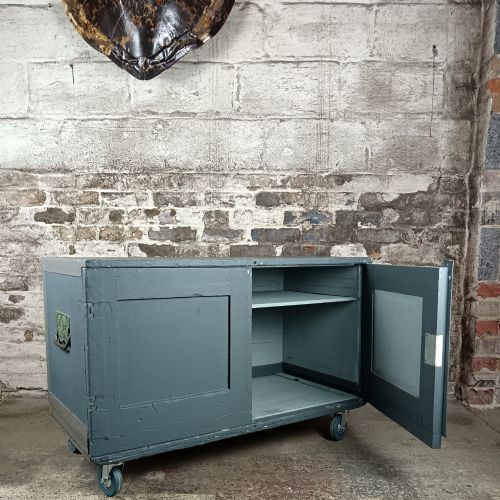
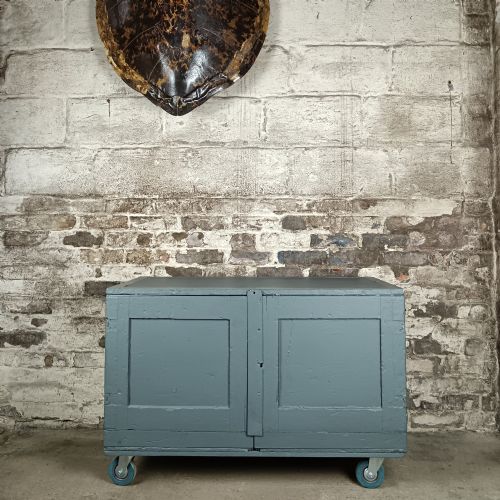


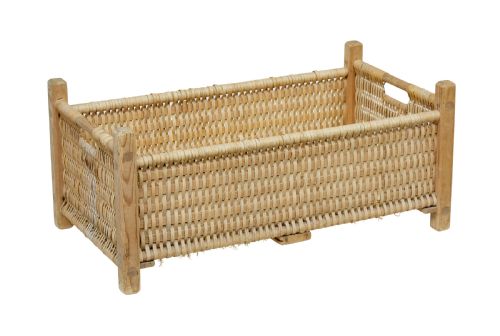


Wooden Storage Crate
A wooden storage crate offers robust utility, bringing honest historic character and practical capacity into modern rooms through timber and iron construction.
Wooden Storage Crate
A wooden storage crate covers utility containers, transport cases, and rustic baskets designed for holding provisions, equipment, or fuel. Buyers seeking a wooden storage crate encounter nineteenth-century military campaign pieces, Edwardian industrial boxes, and Scandinavian pine log baskets.
The selection ranges from solid pine ammunition cases and apothecary boxes to iron-banded country house log bins and woven pine baskets. These items originate from periods spanning the Victorian era through the early twentieth century.
Forms include travel trunks, log trolleys, carved boxes, and grape bins reflecting Scandinavian country, rustic, and military campaign styles. Pine and iron dominate the physical presence of these functional objects.
How they were made
Makers utilised solid pine, hardwood, and timber, binding structural corners and edges with heavy iron straps for durability during transit and daily use. Hand-woven wood splints appear in Scandinavian baskets, while other items rely on joined planks and painted surfaces.
Military transport cases and tool boxes incorporate robust metal hardware to withstand demanding environments. Country house log bins and apple racks balance open ventilation slats with sturdy wooden frames.
Wooden Storage Crate Retail Price Guide 2026
Typical asking prices for wooden storage crate among the pieces listed under this phrase on Sellingantiques today, from the lower quarter to the upper quarter. They describe what is for sale here now, not the wider market.
Materials across the selection focus heavily on pine, iron, and timber, reflecting utilitarian design from the Victorian period to nineteen-twenty.
What varies in quality
Quality rests in the integrity of the original construction, the thickness of the timber, and the heft of the iron banding or hardware. Pieces retaining their authentic painted finishes or natural patinated grain stand apart from lesser examples.
Structural honesty dictates the appeal, where hand-woven baskets maintain their structural tension and heavy boxes retain secure joints. The clarity of period origin and purpose elevates certain utilitarian objects above standard industrial salvage.
The Wooden Storage Crate Glossary
- Pine
- A common softwood used extensively for historic crates, boxes, and rustic baskets due to its availability and workability. It develops a rich warm patina over decades of handling.
- Iron Banding
- Metal straps fitted around the corners and edges of wooden chests and crates to reinforce them against heavy loads. This hardware provides both structural strength and industrial visual contrast.
- Campaign Chest
- A portable storage case designed for military officers on the move, featuring recessed brass fittings and sturdy transport construction. These pieces separate into sections for ease of travel.
- Wood Splint
- Thin strips of timber shaved or split from a log, soaked and pliable enough to weave into traditional baskets. This technique creates resilient agricultural and domestic containers.
Wooden Storage Crate: Frequently Asked Questions
How were wooden storage crates originally used?
These items served functional roles transporting military equipment, storing apothecary supplies, and holding firewood in large country houses. Agricultural variants carried grapes and apples during harvest seasons.
Industrial boxes held specialised tools for engineering firms, while woven baskets gathered pine logs for domestic hearths.
Can I use a vintage log bin indoors?
Historic pine log bins and trolleys adapt easily to contemporary living spaces as sturdy holders for firewood, blankets, or magazines. Their timber construction brings warmth and historical texture to modern interiors.
Placing them directly on interior floors benefits from checking the base for stability and residual historic dust.
How do I identify a nineteenth century crate?
Nineteenth-century pieces typically display hand-cut timber boards, forged iron fastenings, and natural patinas accumulated through decades of heavy use. Construction methods rely on hand tools rather than modern machine production.
Appraisal of the period depends on examining the joinery, nail types, and the specific wear patterns left by active service.
What is the difference between a trunk and a crate?
Trunks generally feature hinged lids, carrying handles, and finished exteriors intended for personal travel and clothing storage. Crates and packing cases are built strictly for heavy transport, freight, and industrial utility.
Many military transport cases and ammunition boxes fall into the latter category, prioritizing raw strength over refined domestic upholstery.