




Wooden Stag Trophy
A wooden stag trophy brings the raw majesty of the Highlands directly into your study or hall.
Wooden Stag Trophy
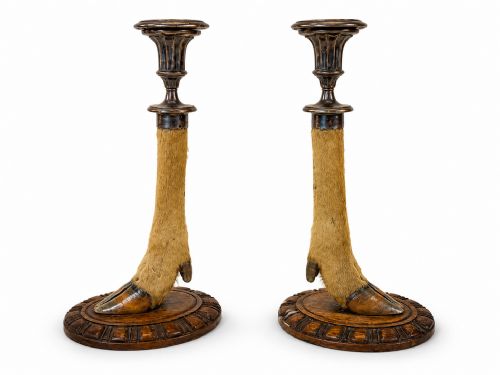
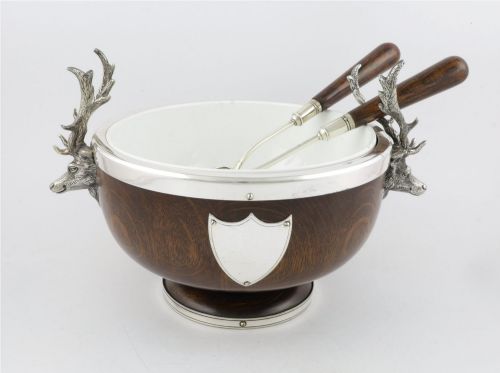
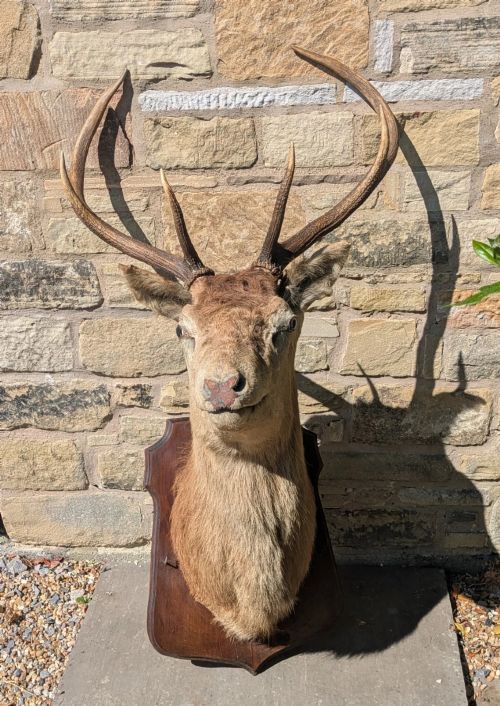
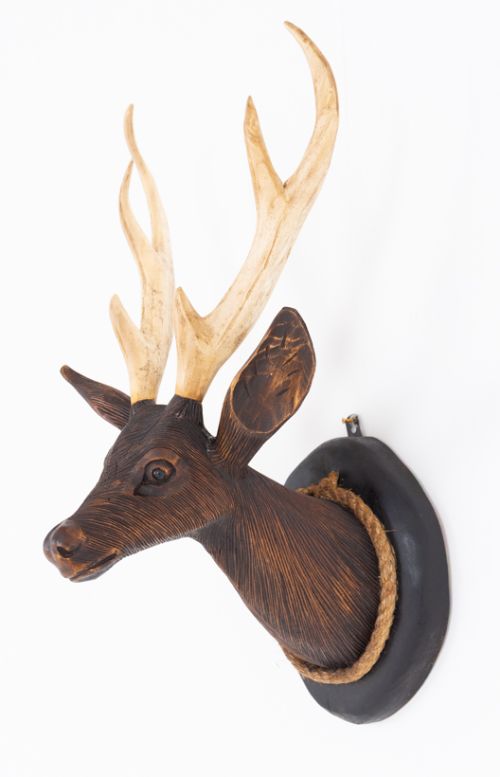
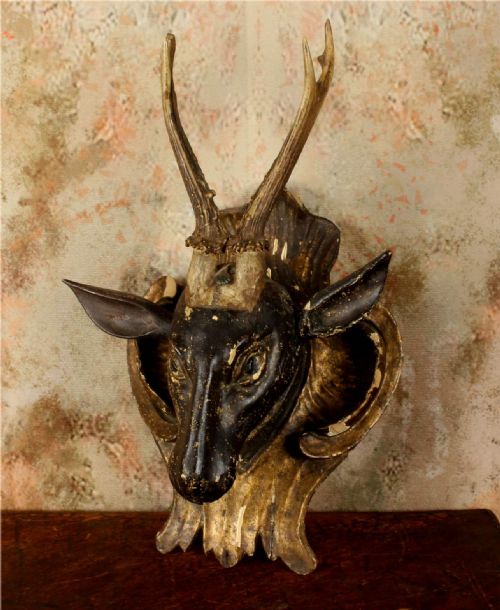
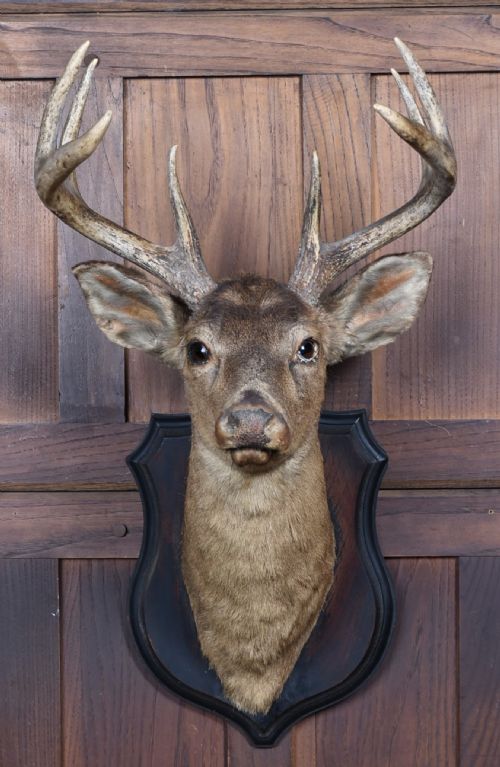
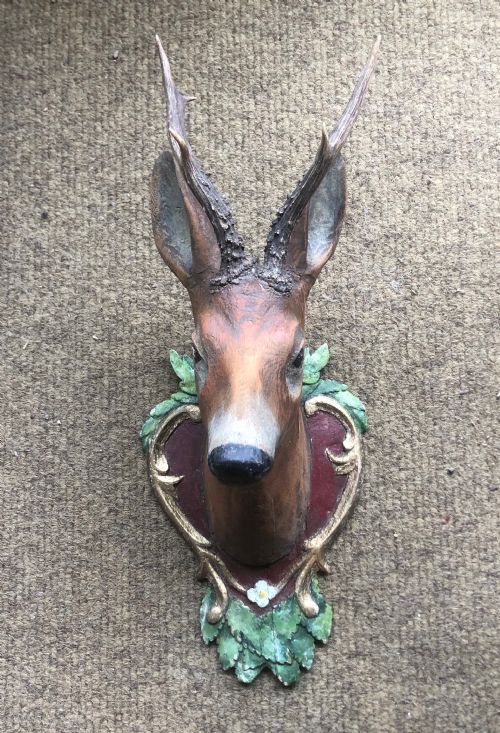
A wooden stag trophy combines natural antlers with carved wooden mounts, taxidermy heads, or entirely hand-carved forms, embodying traditional sporting aesthetics. When searching for a wooden stag trophy, buyers encounter everything from Victorian taxidermy taxidermy mounts to continental Black Forest carvings and folk art interpretations.
The pieces appearing on this page span the nineteenth and twentieth centuries, featuring origins ranging from the Scottish Highlands to continental workshops and Sweden. Forms vary from large wall sculptures and taxidermy mounts to smaller functional items like double inkstands.
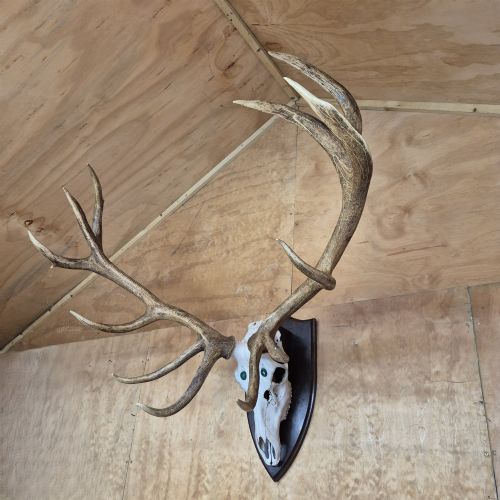
Victorian Highland Sporting and Highland Traditional styles dominate the larger taxidermy examples, often featuring substantial antler spreads mounted on wooden shields. Folk art and Black Forest variants offer carved wooden alternatives that interpret the subject through distinct regional craftsmanship.
Materials and construction
Makers utilised natural materials including red deer and whitetail antlers, real bone, natural hide, and glass eyes alongside various timbers. Antlers are securely mounted to carved wooden shields or integrated into taxidermy heads using traditional joinery and hardware.
Carved pieces employ solid wood worked with hand chisels and gouges to create detailed animal forms in the Black Forest and folk art traditions. Painted finishes occasionally highlight carved surfaces, as seen in Swedish folk art examples from the late nineteenth century.
Wooden Stag Trophy Retail Price Guide 2026
Typical asking prices for wooden stag trophy among the pieces listed under this phrase on Sellingantiques today, from the lower quarter to the upper quarter. They describe what is for sale here now, not the wider market.
Listings feature periods from 1800 to the 1930s, incorporating natural hide, bone, and carved wood across Victorian and folk art styles.
Assessing quality and craftsmanship
Quality in these trophies rests on the natural symmetry and point count of the antlers, alongside the anatomical accuracy of the taxidermy or the depth of the wood carving. Finer nineteenth-century examples display superior taxidermy preservation and deeply carved shields with intricate detailing.
The integration between the antlers and the wooden mount separates ordinary pieces from exceptional specimens, with skilled makers ensuring robust and seamless construction. Hand-carved items derive their distinction from the expressive character given to the wood by the artisan.
The Wooden Stag Trophy Glossary
- Taxidermy mount
- The preserved skin and head of an animal fitted over a form and attached to a backing board. These mounts capture the realistic presence of the animal for interior display.
- Black Forest style
- Nineteenth-century wood carving originating from central Europe known for highly naturalistic animal and forest motifs. Pieces in this style feature deep relief and dark polished wood.
- Folk art
- Utilitarian or decorative objects created by self-taught or traditional craftsmen outside academic artistic traditions. These items often display charming regional interpretations rather than strict anatomical precision.
- Shield
- The shaped wooden plaque or board used as a backing to mount animal heads and antlers for wall hanging. Shields frequently incorporate carved oak leaf or crest decorations.
- Point
- An individual branch or tine on a deer antler. Counting these points helps determine the size and maturity of the antlers.
Wooden Stag Trophy: Frequently Asked Questions
What is a Royal set of antlers?
A Royal antler designation refers specifically to a red deer set featuring twelve distinct points on the antlers. This traditional sporting classification denotes a mature and impressive trophy.
Such substantial specimens formed a central part of nineteenth-century Highland decor and sporting traditions.
How do I clean historic taxidermy and wood?
Dust taxidermy hair and antlers gently using a soft, dry brush or a low-suction vacuum attachment through a mesh screen. Avoid using water or chemical cleaners directly on natural hide and bone.
Wooden mounts and carved shields benefit from occasional dusting with a clean, dry microfiber cloth. Keep these pieces away from direct sunlight and damp environments to preserve the materials.
How do I distinguish Black Forest carvings from Scottish pieces?
Black Forest carvings are typically rendered entirely in carved wood, showing deep, naturalistic foliage and distinct continental European stylistic traits. Scottish Victorian pieces more frequently combine actual red deer antlers with taxidermy heads and oak shields.
Regional carving techniques and the choice of timber help identify the specific workshop origin of each piece.