





Wooden Spirit Stand
A wooden spirit stand is a traditional container for holding decanters securely, combining fine cabinetmaking with practical hospitality.
Wooden Spirit Stand
A wooden spirit stand serves to hold and display decanters of liquor safely within a home. The pieces found here include tantaluses, cellarettes, wine coolers, and cocktail drinks cabinets spanning several historic periods.
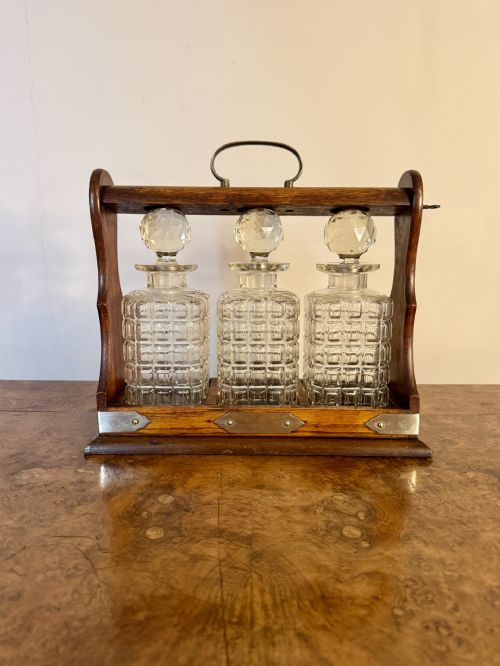
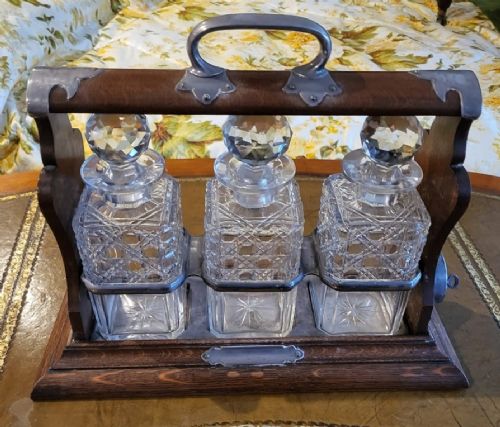
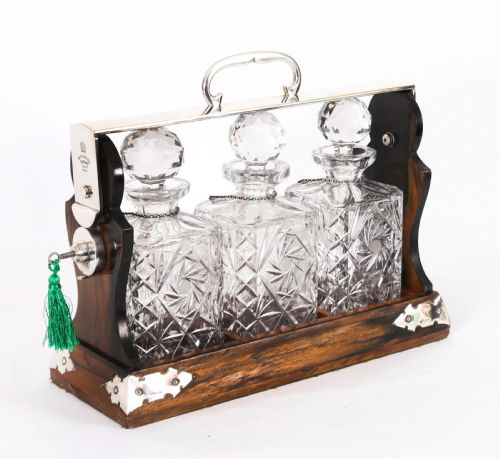
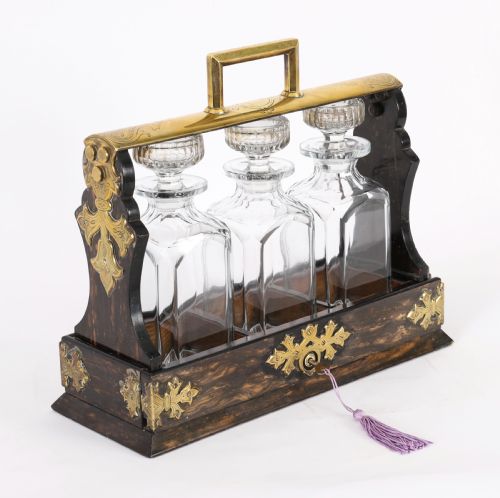
The most common examples on this page are oak and mahogany tantaluses and cellarettes from the Victorian and Edwardian eras. These items typically house two or three cut crystal decanters secured with locking mechanisms.
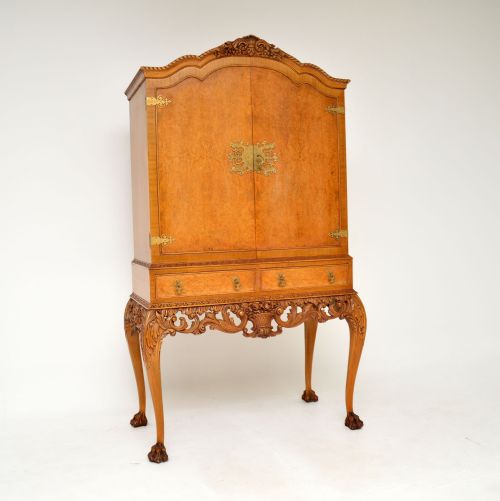
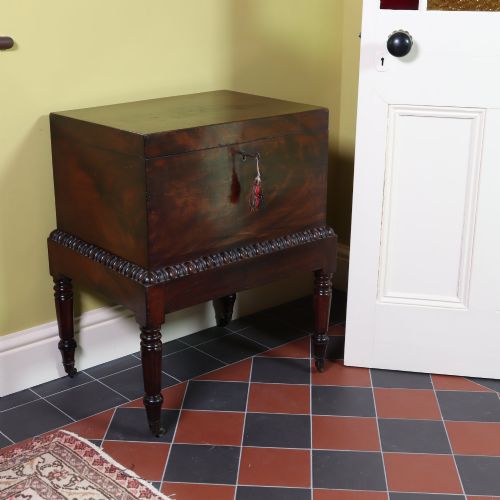
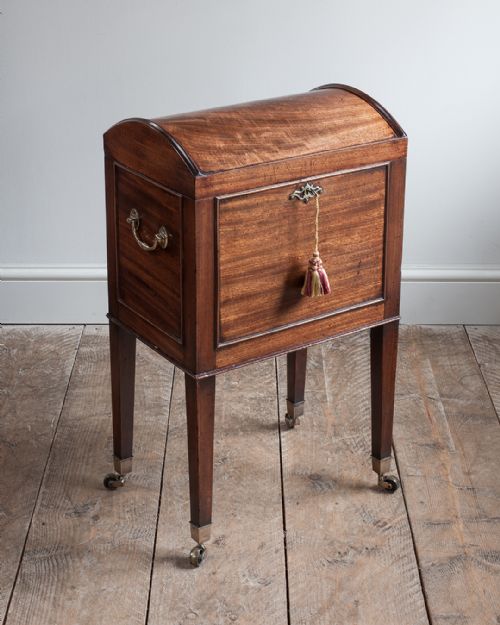
Earlier Georgian examples take the form of cellarettes and wine coolers designed for floor placement, whilst later twentieth-century pieces shift toward tabletop drinks cabinets and fitted barrels.
How they were made
Cabinetmakers utilised solid timbers and veneers such as mahogany, oak, coromandel, and burr walnut to construct the bodies of these stands. Flame mahogany and marquetry stringing frequently appear on the decorative exterior surfaces.
Metalwork played a structural and decorative role, with brass mounts, hinges, and silver-plated locking bars securing the contents. Cut glass and cut crystal decanters completed the assembly, often matched to the specific dimensions of the wooden frame.
Wooden Spirit Stand Retail Price Guide 2026
Typical asking prices for wooden spirit stand among the pieces listed under this phrase on Sellingantiques today, from the lower quarter to the upper quarter. They describe what is for sale here now, not the wider market.
The listings span from the eighteenth century through the Georgian, Victorian, and Edwardian periods into the 1930s, utilising oak, mahogany, and coromandel.
What varies in quality
The grade of a wooden spirit stand rests on the selection of timber and the sophistication of its joinery. Finer specimens display carefully chosen grain patterns, such as flame mahogany or burr walnut, alongside precise marquetry or brass banding.
Hardware quality distinguishes standard production from superior pieces. Robust silver-plated or brass locking mechanisms and heavy cut crystal decanters indicate higher craftsmanship than basic fittings.
Betjemann’s
The Wooden Spirit Stand Glossary
- Tantalus
- A locking drink stand that secures decanters within a wooden frame so they cannot be removed without a key. The design teases guests by displaying the whiskey or brandy while keeping it physically out of reach.
- Cellarette
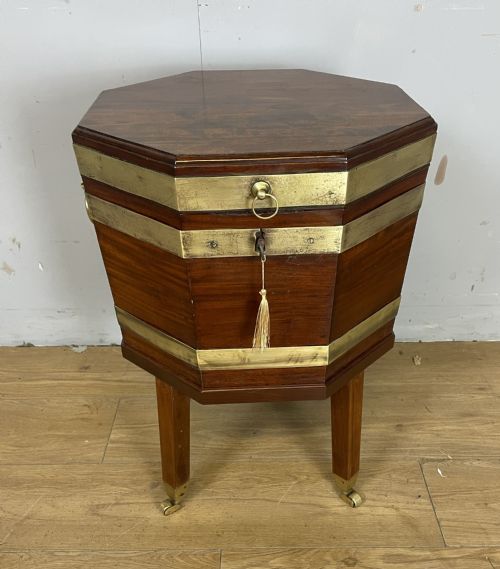
- A lockable storage container for wine and spirits historically kept in the dining room. Georgian versions often feature octagonal shapes and brass banding.
- Coromandel
- A dense, dark exotic timber with contrasting light streaks used for luxury Victorian cabinetwork. It provides a striking, heavily figured exterior for high-end tantaluses.
- Marquetry
- The art of applying decorative veneer pieces to a structure to form intricate patterns. Examples here feature delicate stringing lines inlaid into oak surfaces.
Wooden Spirit Stand: Frequently Asked Questions
What is a tantalus?
A tantalus is a specific type of spirit stand featuring a locking metal bar that holds decanters firmly in their wooden base. This mechanism prevents guests or servants from accessing the contents without the key.
Most tantaluses house two or three cut crystal bottles and sit upon an oak or coromandel platform with brass handles.
How were cellarettes used?
Cellarettes functioned as portable cellars kept in the dining room during meals to store wine and spirits before the invention of fitted sideboards. Servants would draw bottles from the wooden container as required.
Georgian examples were often heavy, octagonal, and brass-bound so they could sit securely on the floor near the dining table.
How do I date a wooden spirit stand?
Dating relies on observing the combination of timber, hardware styles, and locking mechanisms. Georgian pieces favour solid mahogany with brass bands, whilst Victorian and Edwardian items frequently use oak or coromandel with silver-plated locking bars.
Later pieces from the 1920s and 1930s often shift toward cocktail cabinets featuring burr walnut veneers.
Are the decanters original?
Decanters found in these stands are frequently cut glass or cut crystal designed to fit the specific contours of the wooden frame. Because these items saw heavy use, matching bottles must be assessed individually.
Checking the fit within the locking bar helps determine if the decanters belong to the original stand.