

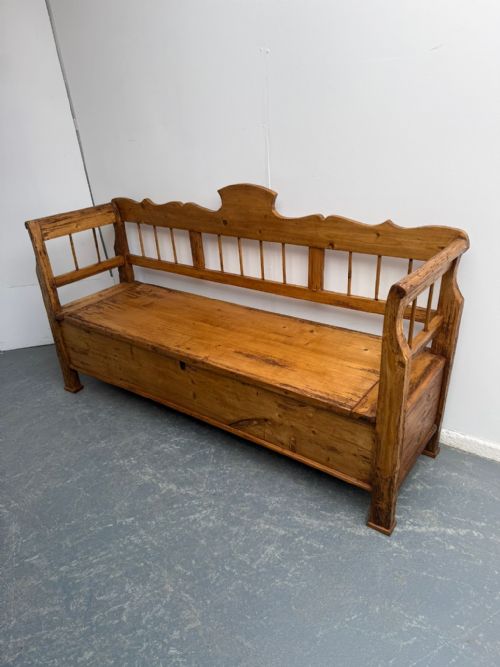
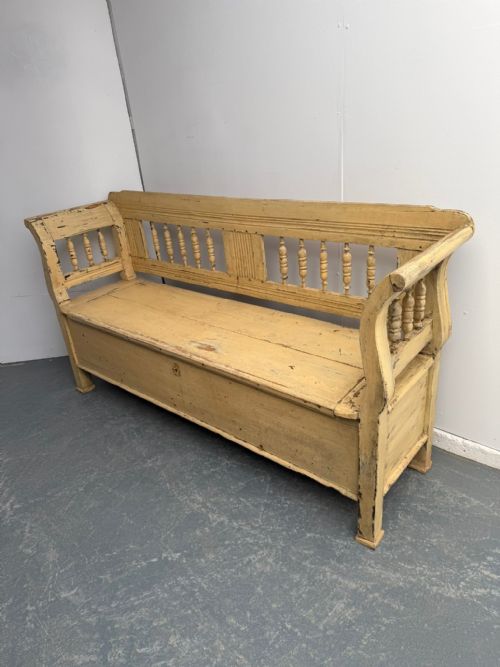
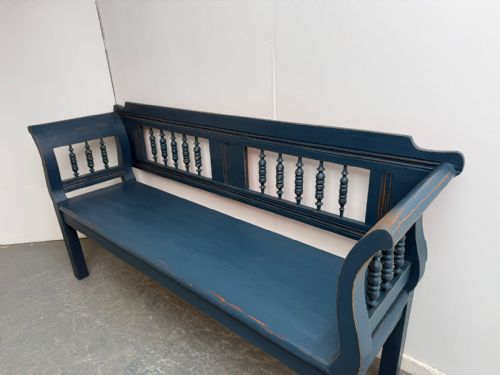


Wooden Spindle Bench
A wooden spindle bench offers practical seating and distinct regional character, bringing centuries of craftsmanship directly into your home.
Wooden Spindle Bench
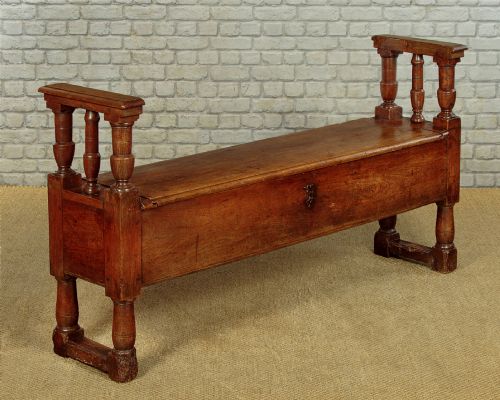
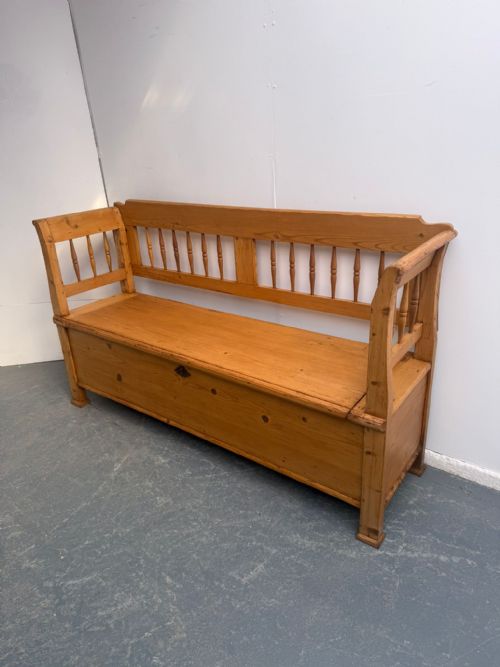
When searching for a wooden spindle bench, buyers encounter a variety of forms including three-seater box settles, hall benches, and rustic country seating. These pieces originate from multiple European and domestic traditions spanning the eighteenth, nineteenth, and early twentieth centuries.
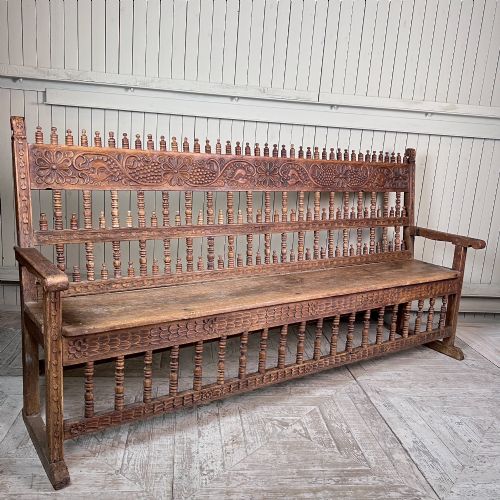
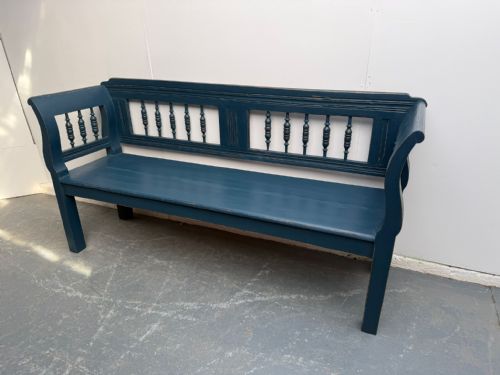
The most common versions met on this page are Hungarian pine three-seater benches and Swedish painted settle benches. Examples range from simple farmhouse seating to more elaborate Victorian and Edwardian hall furniture.
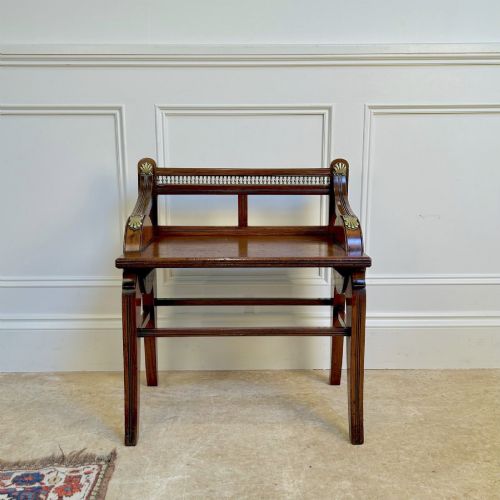
Makers such as James Shoolbred occasionally contribute refined walnut hall seating alongside anonymous rural craftsmanship in pine, ash, elm, and chestnut.
How they were made
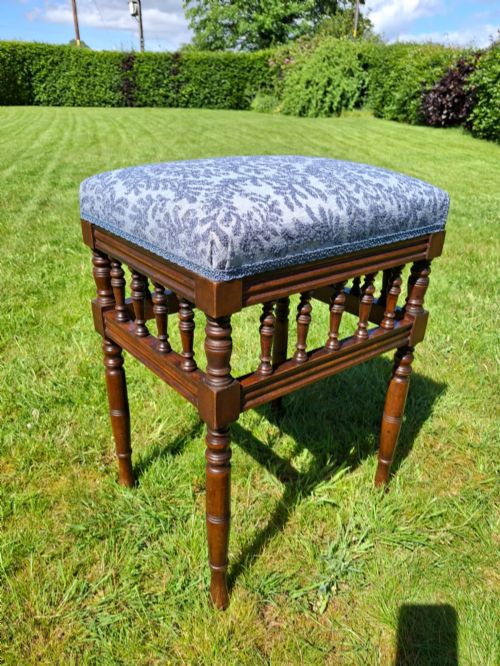
Construction relies heavily on traditional solid woods like pine, walnut, ash, elm, and chestnut, shaped through carpentry techniques suited to regional workshops. Turnery creates the characteristic spindle backs and supports, while box settles incorporate integrated storage compartments beneath the seats.
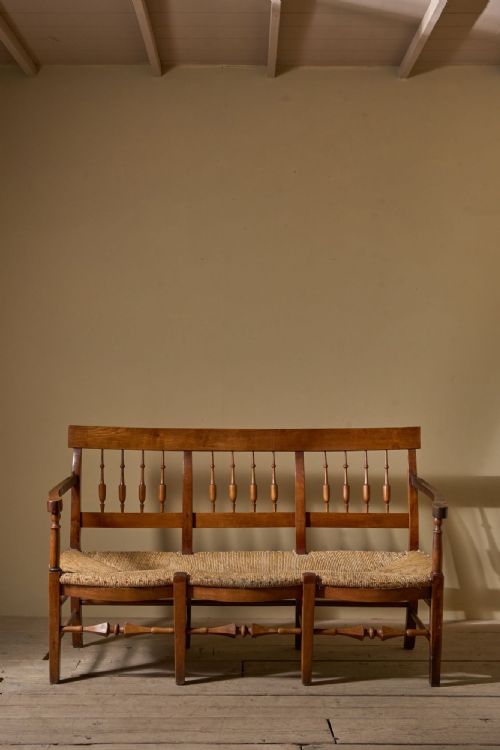
Surfaces frequently display original paint finishes in cream or blue, alongside waxed treatments that preserve the grain of the timber. Additional elements like rush seating, fabric upholstery, brass fittings, and iron hardware appear across specific stylistic traditions.
Wooden Spindle Bench Retail Price Guide 2026
Typical asking prices for wooden spindle bench among the pieces listed under this phrase on Sellingantiques today, from the lower quarter to the upper quarter. They describe what is for sale here now, not the wider market.
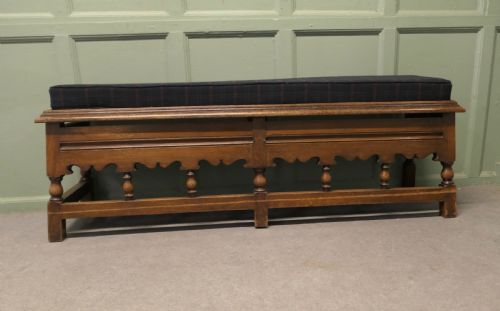
Several benches double as boot stores and tweed window seats, proving Victorian mudrooms understood multitasking.
What varies in quality
Quality differences emerge in the integrity of the timber and the preservation of original paint or wax finishes. Pieces retaining their early surface patination and uncompromised structural joinery stand apart from those with extensive modern alterations.
The finesse of the turnery on the spindle backs and the selection of secondary woods, such as combining ash and elm in French country variants, influence the overall character and origin of each bench.
James Shoolbred
The Wooden Spindle Bench Glossary
- Settle bench
- A wooden seat featuring a high back to block draughts and often a box base for storage. These items served functional roles in domestic halls and kitchens.
- Hall bench
- A narrow seat designed for placement in entranceways, sometimes incorporating boot storage or umbrella racks. These pieces date predominantly from the nineteenth and early twentieth centuries.
- Rush seating
- Woven marsh plant material utilised for seat pads on country chairs and benches. This technique provides a textured, flexible surface.
- Turnery
- The method of shaping wood on a lathe to create cylindrical or spindle components. This process produces the characteristic vertical rails found on spindle backs.
Wooden Spindle Bench: Frequently Asked Questions
Where did spindle benches originate?
Spindle benches emerged from diverse regional furniture traditions across Europe, including Hungarian, Swedish, Austrian, and English rural workshops. Local makers utilised native timbers available to them.
These designs reflected the practical domestic needs of farmhouses, cottages, and country halls during the eighteenth and nineteenth centuries.
How do I care for a painted bench?
Preserving a painted finish requires avoiding harsh chemical cleaners and keeping the wood away from direct heat sources. Dusting with a soft, dry cloth is usually sufficient.
Waxed pine surfaces benefit from occasional application of traditional beeswax to maintain the timber and protect the original patination.
Can I use a box settle in a hallway?
A box settle functions well in an entranceway because the integrated base provides concealed storage for boots, shoes, or household linens. The high back also offers shelter from cold draughts near doors.
Measuring the available floor space and clearance for opening any storage lids ensures the piece fits comfortably in the room.