





Wooden Spice Cupboard
A wooden spice cupboard is a compact domestic storage piece built to hold provisions, and you buy one for its dense craftsmanship and period character.
Wooden Spice Cupboard
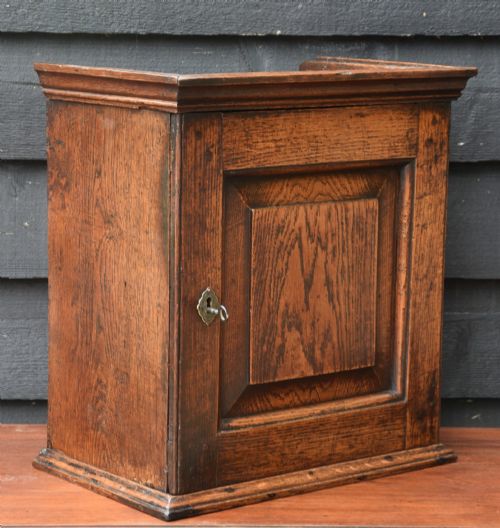
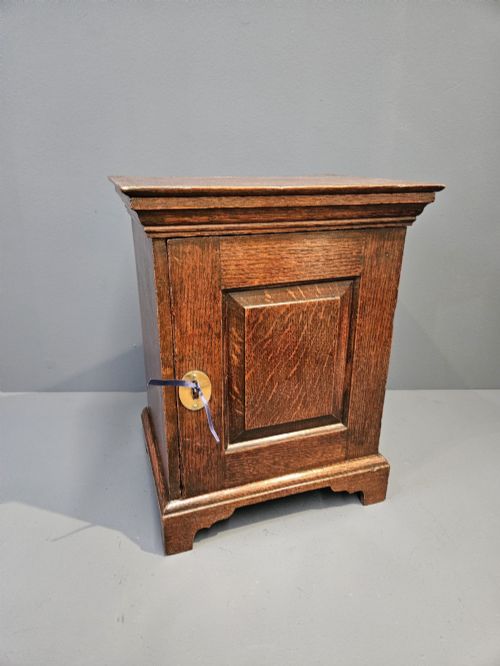
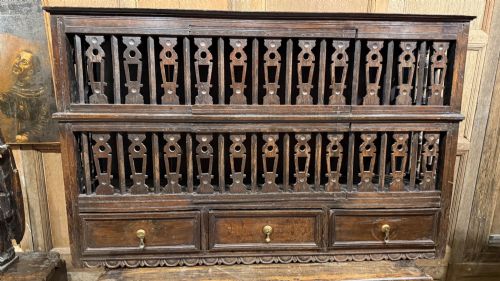
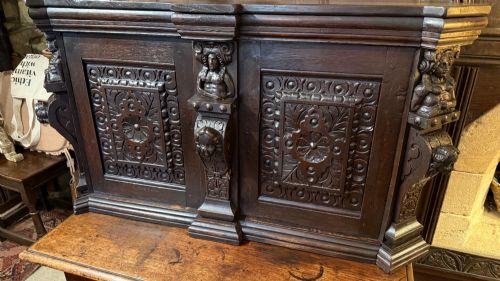
A wooden spice cupboard is a small cabinet designed for holding kitchen provisions, most often encountered in oak from the eighteenth century.
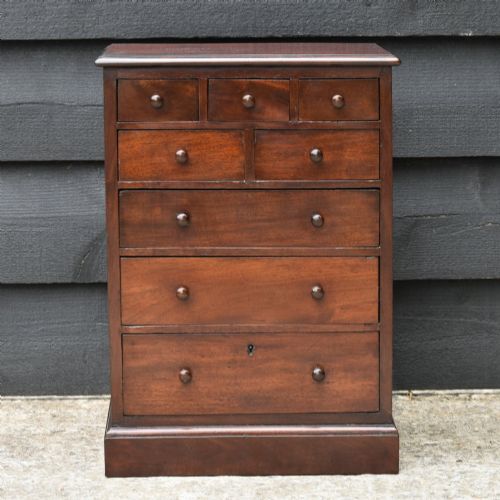
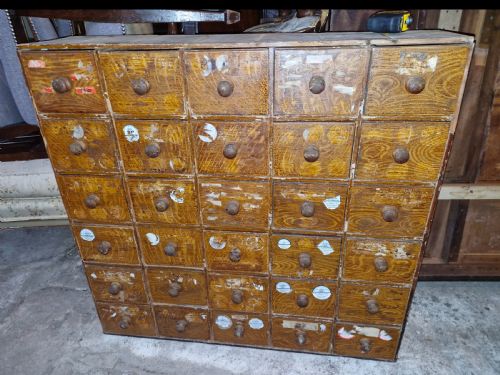
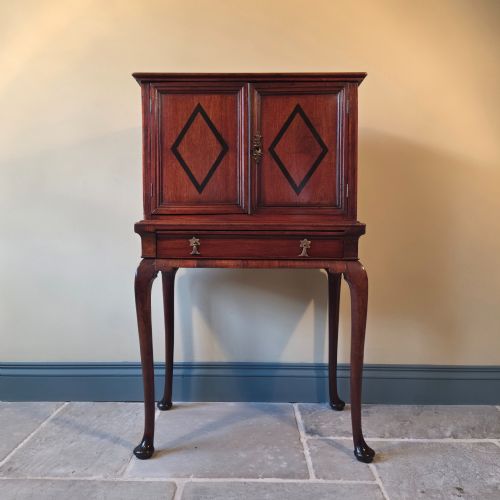
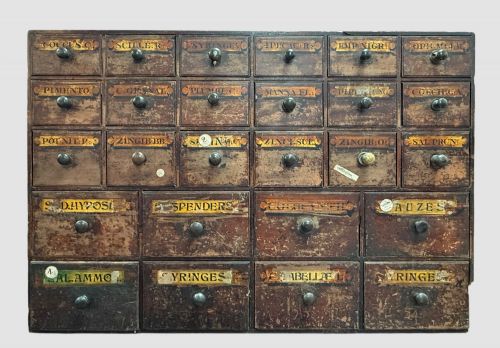
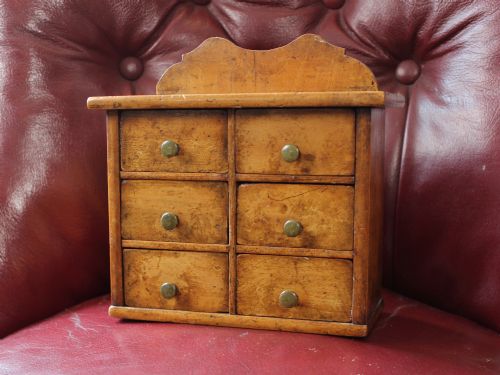
These pieces appear in various domestic formats including wall-hanging units, table cabinets, and small banks of drawers.
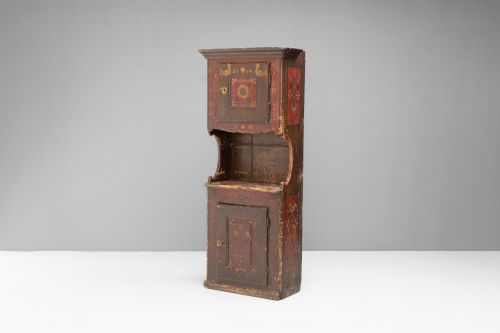
The materials span oak, pine, mahogany, and fruitwood, sometimes featuring carved ornamentation or painted finishes.
Assessing quality
Quality rests in the selection of timber and the proportion of the carcase, where finer examples display thoughtful joinery and balanced door placement.
Original hardware, such as brass escutcheons and working locks with keys, elevates a piece above those altered or stripped of their fittings.
Wooden Spice Cupboard Retail Price Guide 2026
Typical asking prices for wooden spice cupboard among the pieces listed under this phrase on Sellingantiques today, from the lower quarter to the upper quarter. They describe what is for sale here now, not the wider market.
The listings span from the seventeenth century through the Edwardian period, utilising oak, pine, mahogany, and painted softwoods.
The Wooden Spice Cupboard Glossary
- Carcase
- The main structural body of a cabinet without doors or drawers. This skeletal frame forms the foundation upon which panels and mouldings are fixed.
- Escutcheon
- A flat plate of brass or other metal surrounding a keyhole. It protects the surrounding wood from wear caused by the insertion of a key.
- Miniature furniture
- Small-scale cabinets or chests built by makers either as apprentice pieces or for desktop use. These items replicate the proportions of larger furniture in a reduced format.
- Wall hanging
- A descriptor for cabinets fitted with brackets or loops to be mounted directly onto a wall. This format keeps contents accessible at eye level.
Wooden Spice Cupboard: Frequently Asked Questions
What were wooden spice cupboards used for originally?
These small cabinets held precious culinary spices, herbs, and medicinal ingredients in domestic kitchens or parlours.
Their compact size kept valuable provisions secure and dry in a prominent household location.
How do I hang an antique wall cabinet safely?
Examine the original hanging points on the backboards to determine if they can bear the weight of the timber.
Use appropriate wall fixings that match the age and construction of the cabinet and your wall type.
How can I tell an eighteenth century cabinet apart from a nineteenth century one?
Look closely at the timber preparation, joinery methods, and surface patination developed over decades of use.
Earlier pieces frequently show hand-sawn board marks and simpler timber framing compared to later standardised production.
Where should I place a table cabinet in a modern room?
These pieces sit well on sturdy sideboards, desks, or console tables where their small scale remains visible.
Ensure they stay away from direct heat sources and strong sunlight to protect the aged wood.