






Wooden Ship Wheel
These wooden ship wheel examples are authentic maritime items built for steering vessels, prized for their robust timber construction and historical nautical character.
Wooden Ship Wheel
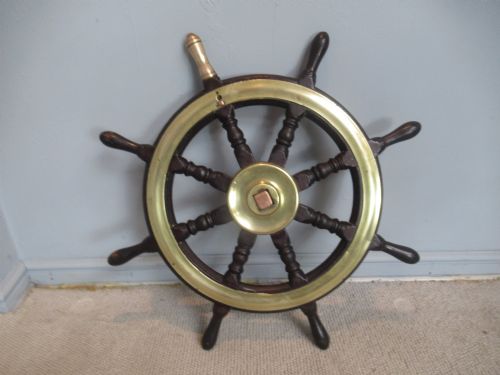
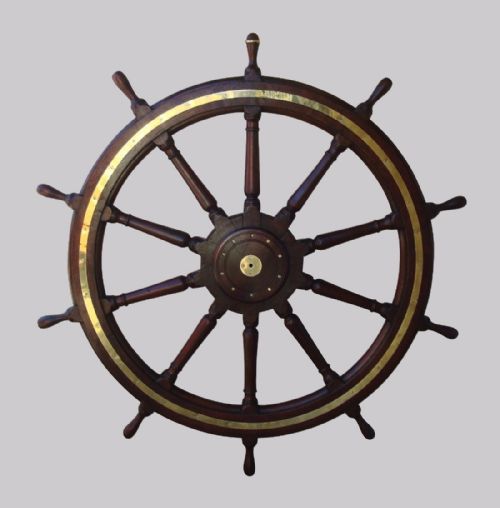
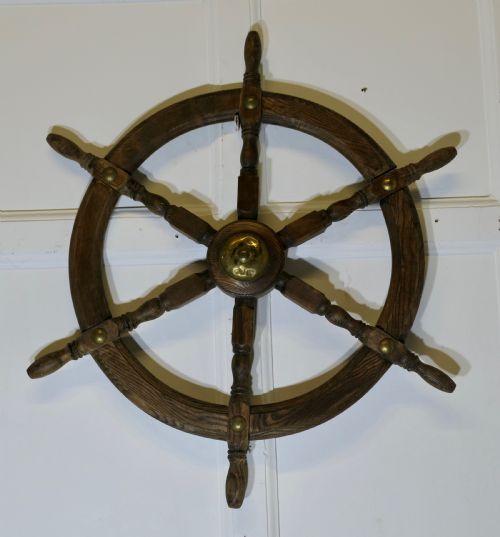
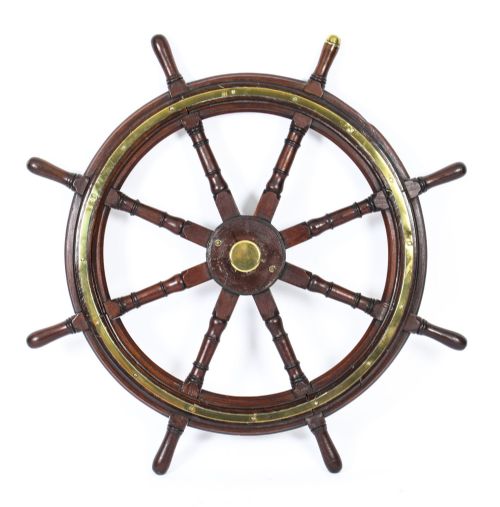
When you search for a wooden ship wheel, you encounter genuine steering apparatuses and related maritime antiques originating from the nineteenth and early twentieth centuries. These pieces encompass smaller wall-hanging helms as well as large eight-spoke steering wheels made for actual vessel navigation.
The versions most commonly met on this page range from compact nineteenth-century examples to substantial four-foot diameter teak helms fitted with brass hardware. Alongside traditional steering wheels, the selections include distinct regional pieces such as a small Welsh ship's wheel finished in deep red paint.
Originating primarily from nineteenth-century workshops and later twentieth-century maritime production, these objects serve decorative and historical functions in modern interiors. Their forms vary from utilitarian steering helms to specialised items reflecting classic nautical design.
How they were made
Makers constructed these maritime wheels using durable hardwoods such as teak, oak, and mahogany to withstand harsh marine environments. Artisans selected timber for its strength and resilience against moisture before shaping the heavy circular frames and multiple spokes.
Metal components played a crucial structural role, with brass and chrome fittings secured to the timber hubs and rims for mechanical reliability. Surface treatments varied from natural oiled wood finishes to applied coats of deep red paint.
Joinery techniques focused on robust assembly to endure the constant torque of steering a ship at sea. Carpenters turned the wooden components on large lathes and fitted them securely together with metal pins and plates.
Wooden Ship Wheel Retail Price Guide 2026
Typical asking prices for wooden ship wheel among the pieces listed under this phrase on Sellingantiques today, from the lower quarter to the upper quarter. They describe what is for sale here now, not the wider market.
One Welsh wheel arrived wearing a coat of deep red paint, proving that even salty old sailors occasionally appreciated a splash of colour.
What varies in quality
Quality in these maritime pieces rests upon the integrity of the timber and the original condition of the hardware. Pieces retaining their authentic brass mountings and untouched wooden surfaces demonstrate superior historical preservation.
The scale and complexity of the construction also differentiate the items, with larger eight-spoke steering helms requiring superior carpentry skills compared to smaller decorative variants. The presence of documented maker details or regional provenance adds notable distinction to an individual helm.
James Mein of Kelso·Benson Electric Co USA
The Wooden Ship Wheel Glossary
- Ship wheel
- A large circular steering device equipped with multiple handles, used to control the rudder of a vessel. It translates manual rotation into directional movement.
- Teak
- A dense, durable hardwood possessing natural oils that resist moisture and decay. It was frequently selected for marine items exposed to weather.
- Bulkhead
- An upright partition dividing the compartments within a ship's hull. Items such as clocks and barometers were mounted directly onto these walls.
- George IV
- A design period spanning the early nineteenth century characterised by robust classical proportions. Pieces from this era often feature finely carved mahogany.
- Folk art
- Utilitarian objects decorated or modified by self-taught makers outside formal academic traditions. These items often display distinctive regional paint colours.
Wooden Ship Wheel: Frequently Asked Questions
How do I hang a large wheel?
Mounting a heavy wooden helm requires securing a robust steel bracket directly into wall studs to support the substantial weight of the timber and brass.
Ensure the central hub rests firmly against the wall support before tightening any hanging hardware.
What wood was used for wheels?
Builders relied heavily on durable hardwoods like teak, oak, and mahogany to resist constant exposure to sea spray and weather.
These dense timbers provided the necessary structural strength to withstand heavy steering loads.
How old is my helm?
Dating typically involves examining the construction methods, the type of timber, and any accompanying metal fittings such as brass or chrome.
Nineteenth-century examples often display hand-turned spokes and aged patination distinct from later twentieth-century manufacturing.
Can these be used outdoors?
While originally built for exterior marine environments, antique wooden wheels benefit from sheltered placement today to preserve their historic finishes.
Exposure to prolonged direct rain and sun can degrade the dried timber and original paint over time.