

Wooden Seat Stool
A wooden seat stool offers simple, honest utility and enduring craft, drawing collectors to its plain timber surfaces and sturdy vernacular forms.
Wooden Seat Stool
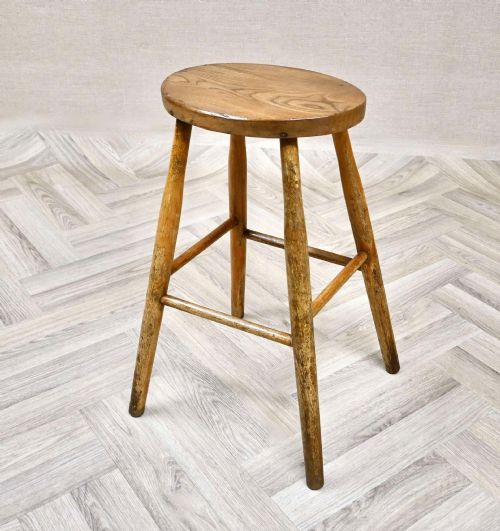
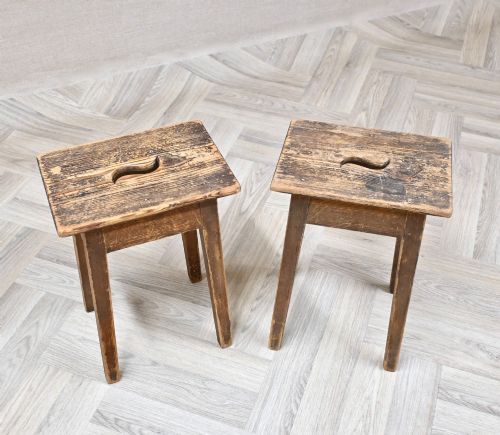
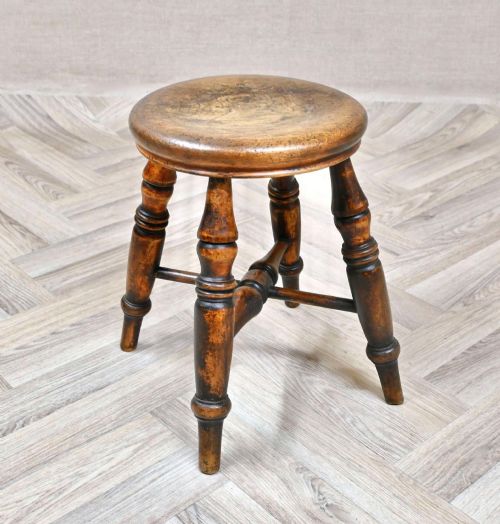
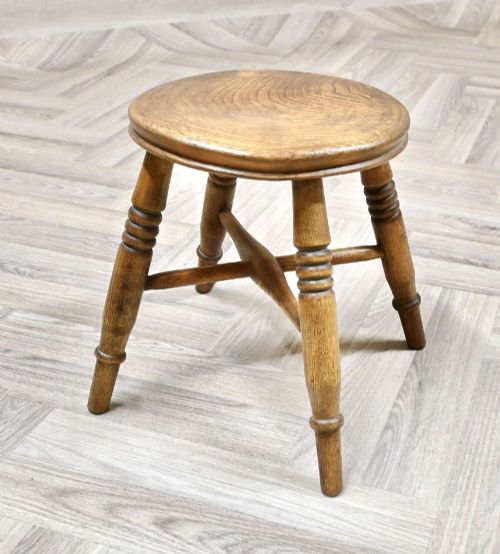
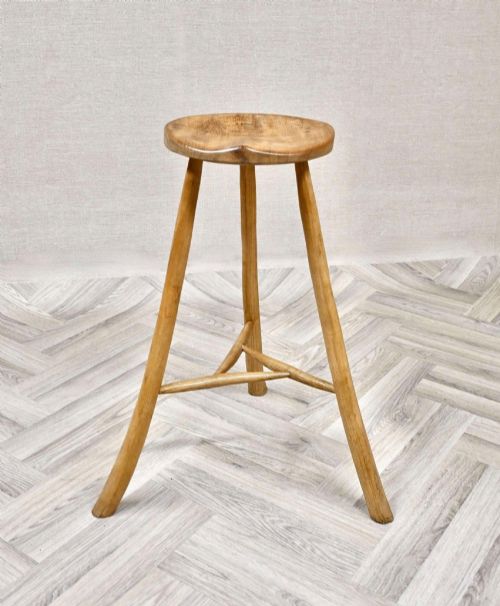
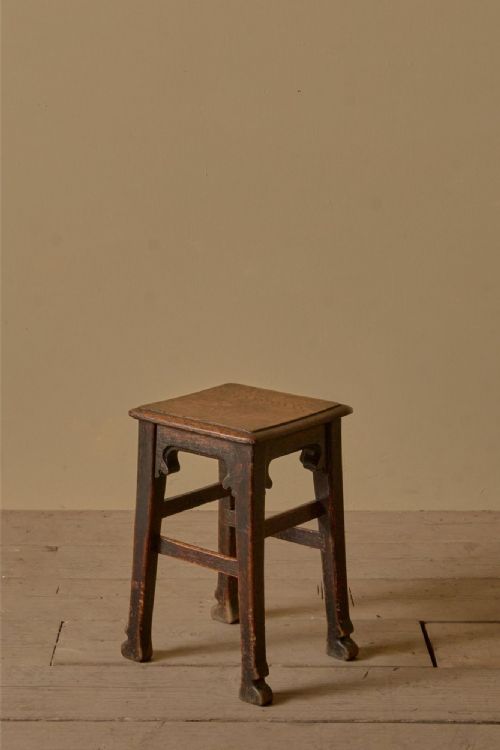
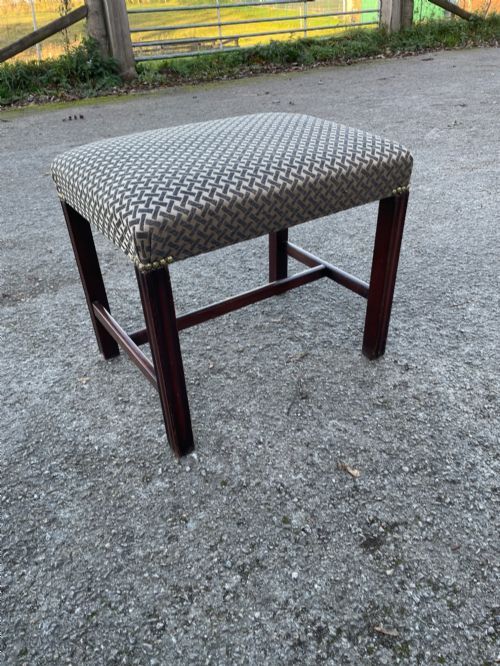
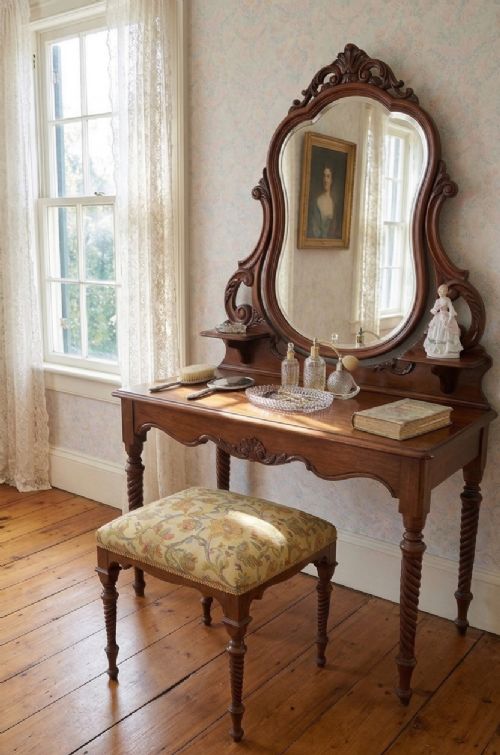
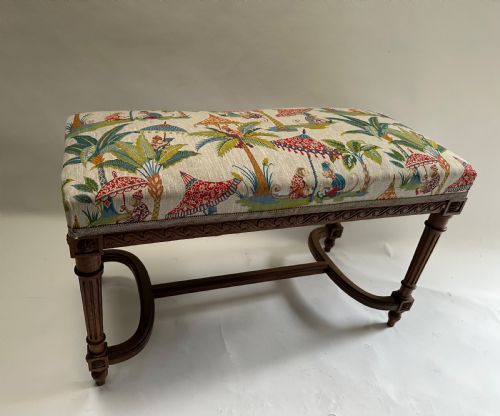
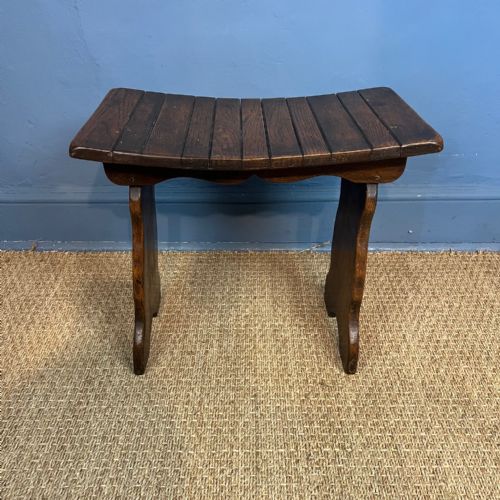
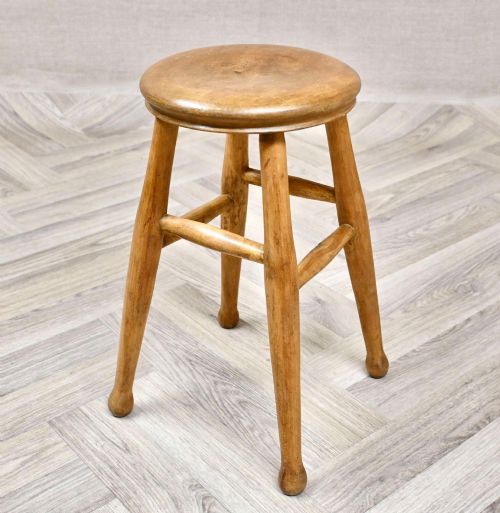
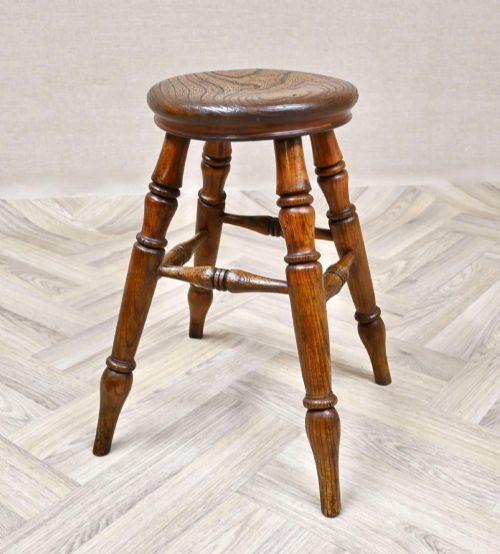
A wooden seat stool is a utilitarian household or workshop object designed for sitting, ranging from low dairy and tavern forms to tall industrial workshop seating. When searching for a wooden seat stool, buyers encounter diverse regional traditions spanning centuries of domestic and commercial use.
Originating from British, Scandinavian, and continental European workshops, these pieces reflect the practical requirements of their makers. Elm, oak, sycamore, and ash predominate, shaped for hard service rather than formal display.
Materials and Construction
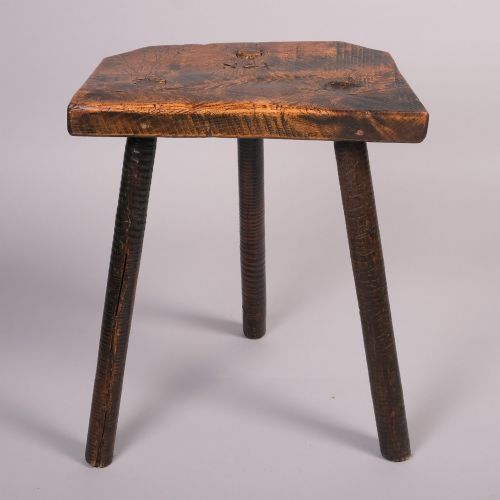
Makers utilised native hardwoods such as oak, elm, ash, and beech, selecting each timber for its specific structural properties. Elm frequently provided a split-resistant top for dairy and country stools, while oak suited rigid joint construction.
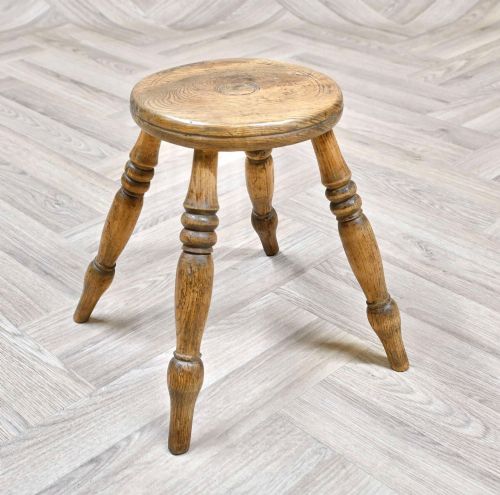
Construction techniques relied on traditional joinery, including wedged tenons, turned legs, and pegging. Many vernacular examples combine woods, pairing turned beech legs with carved solid elm tops.
Surface finishes remain minimal, showing centuries of friction, scrubbed grain, and occasional historic paint or wax applications. Structural integrity depended entirely on the tightness of the joints and the density of the selected timber.
Wooden Seat Stool Retail Price Guide 2026
Typical asking prices for wooden seat stool among the pieces listed under this phrase on Sellingantiques today, from the lower quarter to the upper quarter. They describe what is for sale here now, not the wider market.
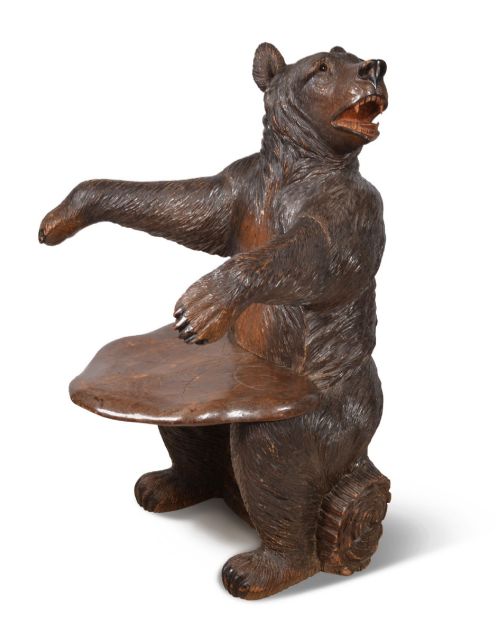
An unusual nineteenth-century carved bear musical seat brings a theatrical woodland presence to the wooden seat stool category.
Factors of Quality
Quality in these utilitarian objects rests on the integrity of the original construction and the survival of untouched surfaces. Pieces retaining their initial pegging and unmodified timber legs command greater respect from discerning buyers.
Proportion and wood selection distinguish ordinary workshop seating from superior examples. A well-balanced silhouette and rich figuring in timbers like burr maple or sycamore elevate a simple form.
The degree of honest wear informs the character of the object. Excessive replacement parts or aggressive modern sanding diminish the integrity that collectors seek in vernacular seating.
LOIDRAULT FRERES PARIS·Singer
The Wooden Seat Stool Glossary
- Joint stool
- An early form of wooden seating constructed with pegged mortise and tenon joints rather than turned legs driven into a solid seat.
- Windsor stool
- A seat featuring legs and spindles socketed directly into a thick wooden plank bottom.
- Vernacular
- Objects made by local artisans following regional traditions and practical utility rather than formal academic styles.
- X frame
- A folding or crossover base design seen in decorative mahogany and walnut window stools.
- Sycamore
- A dense, pale hardwood frequently selected by turners for tavern and dairy seating.
Wooden Seat Stool: Frequently Asked Questions
What distinguishes an early oak joint stool from later country seating?
Early oak joint stools originate from the seventeenth century or earlier, utilising rigid pegged framing and heavy timbers built by joiners rather than turners.
Later country seating often relies on a thick solid seat plank with legs driven directly into bored holes, reflecting vernacular domestic production.
How were industrial machinist and tavern stools used originally?
Industrial machinist and tall bar stools provided adjustable or fixed seating for artisans, silversmiths, and factory workers requiring mobility and sturdy support during long hours of hand labour.
Tavern and pub stools served patrons in public houses, designed with simple turned or splayed legs to withstand heavy commercial use.
How should I care for an antique wooden seat?
Maintain the timber by applying a microcrystalline wax sparingly to nourish the dry wood without sealing the historic surface under modern varnishes.
Keep wooden seating away from direct heat sources and dramatic humidity shifts to prevent timber shrinkage and joint loosening.
Are painted finishes on these stools period correct?
Many Scandinavian and continental pieces feature original or early white paint, particularly Gustavian and neoclassical examples from the eighteenth and nineteenth centuries.
British vernacular furniture more commonly displays scrubbed bare timber or dark wax patination built up through generations of use.