






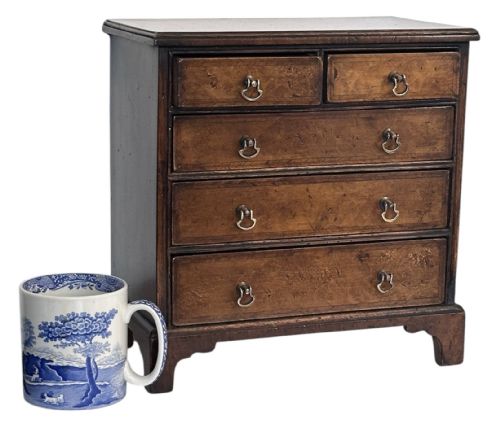


Wooden Salesman Sample
These wooden salesman sample objects and miniature furnishings capture full-scale craftsmanship in miniature, offering desktop charm and historical skill.
Wooden Salesman Sample
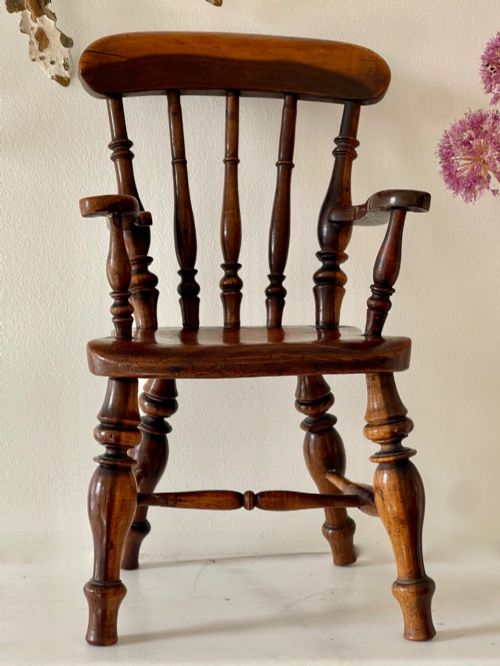
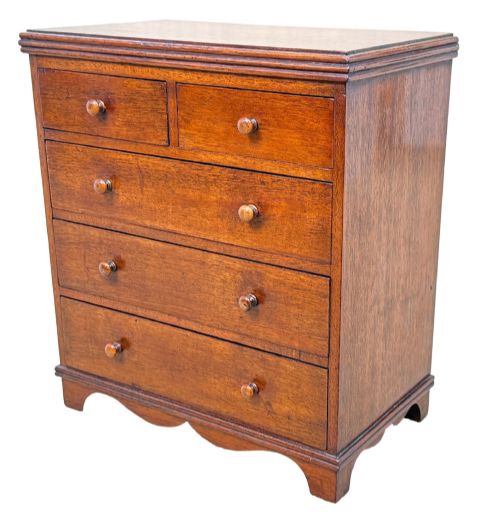
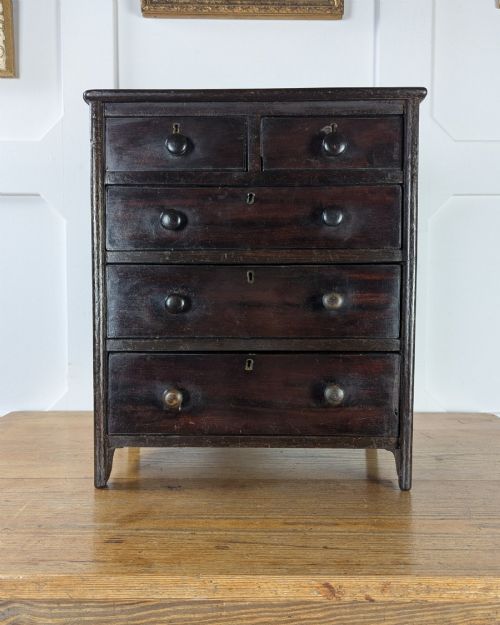
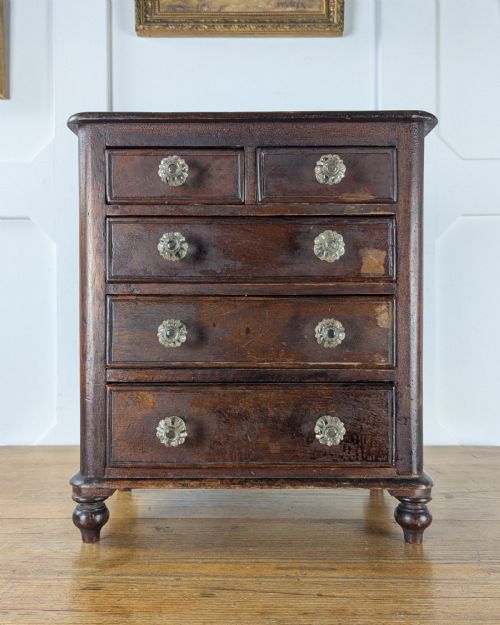
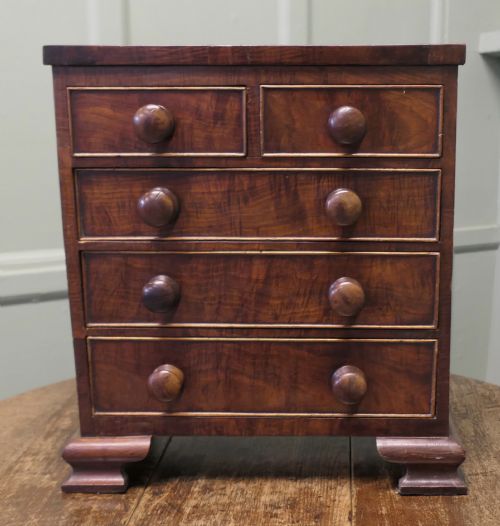
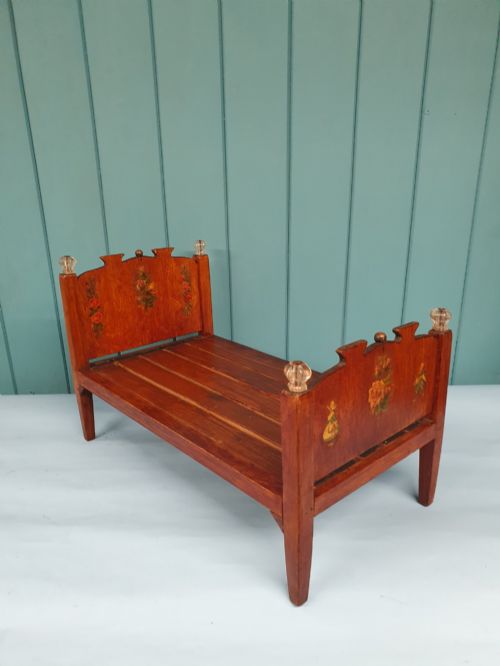
A wooden salesman sample or apprentice piece represents scaled-down versions of full-sized furniture and machinery, created to demonstrate design or skill. When searching for wooden salesman sample, collectors encounter miniature chests of drawers, small tables, beds, and specialised equipment from the nineteenth and early twentieth centuries.
Mahogany and oak dominate the selection, often appearing in forms such as miniature chests of drawers, linen presses, and commodes. These items reflect the domestic and commercial furniture styles of Georgian, Victorian, and Edwardian periods.
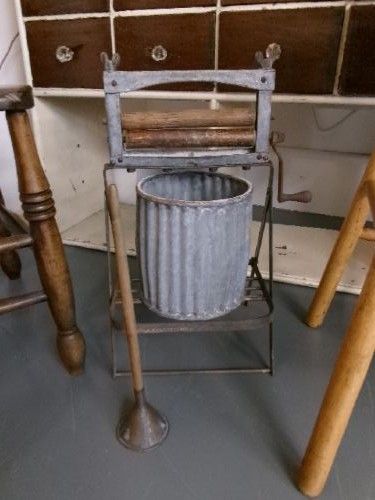
Smaller domestic items like miniature chairs, desks, and laundry equipment also populate the category. Each piece serves as a physical record of historic woodworking techniques condensed into portable formats.
How they were made
Cabinetmakers constructed these miniature pieces using traditional hardwoods like mahogany, oak, yew, and walnut, often accentuating the grain with burr veneers. Construction techniques mirror full-scale joinery, utilising dovetailed drawer boxes and turned wooden feet.
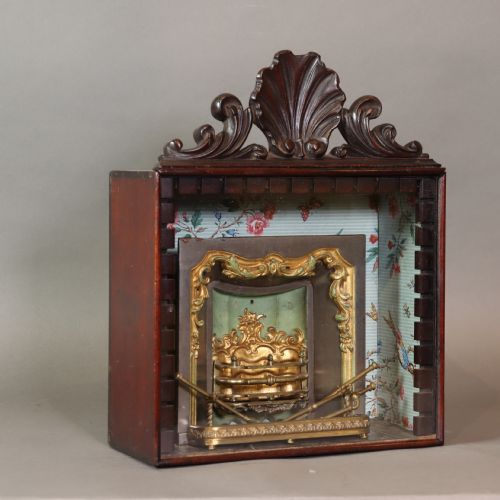
Metal components such as brass handles, hinges, and cast iron stands integrate with the wood to replicate functional mechanisms on a reduced scale. Paint finishes and glass elements appear occasionally on specific hardware boards and models.
Wooden Salesman Sample Retail Price Guide 2026
Typical asking prices for wooden salesman sample among the pieces listed under this phrase on Sellingantiques today, from the lower quarter to the upper quarter. They describe what is for sale here now, not the wider market.
Listings feature items spanning the eighteenth, nineteenth, and early twentieth centuries, constructed from mahogany, oak, brass, glass, pine, and cast iron.
What varies in quality
Proportion and fidelity to full-scale furniture dictate the distinction between standard items and superior examples. Fine pieces display accurate scaling of mouldings, drawer configurations, and timber selection.
The choice of cabinet timber significantly alters the visual depth, with figured walnut, burr yew, and dense mahogany elevating the piece above simpler pine or plain wood constructions.
Gerwin and Co Birmingham
The Wooden Salesman Sample Glossary
- Apprentice piece
- A miniature item created by a trainee craftsman to demonstrate mastery of joinery techniques before earning full guild status.
- Miniature chest of drawers
- A small-scale chest constructed with operational drawers, matching the stylistic traits of Georgian or Victorian periods.
- Hardware sample board
- A mounting display showcasing various metal fixings and brass items produced by industrial manufacturers for commercial demonstration.
- Dovetail
- A joinery method interlocking wedge-shaped fingers of wood, commonly used in drawer construction across these small-scale pieces.
- Burr walnut
- A highly figured timber veneer prized for its swirling grain patterns, utilised on select miniature commodes and chests.
Wooden Salesman Sample: Frequently Asked Questions
What is a wooden salesman sample?
A wooden salesman sample is a portable scaled-down model used by commercial travellers to demonstrate furniture designs to prospective buyers without carrying full-sized inventory.
Alternatively, many of these items function as apprentice pieces created by trainees to prove their woodworking capabilities to master craftsmen.
How were apprentice pieces used?
Apprentice pieces served as practical examinations where young woodworkers demonstrated advanced skills such as dovetailing, turning, and carving.
Master craftsmen evaluated these completed miniatures to determine if the trainee was ready to practice independently.
What woods were used for miniatures?
Cabinetmakers utilised dense hardwoods like mahogany, oak, and walnut to achieve crisp architectural details at a reduced scale.
Exotic veneers such as burr yew and figured walnut were also applied to enhance the visual appeal of miniature chests and desks.
How to date a miniature chest?
Dating relies on identifying the prevailing furniture styles, such as Georgian bracket feet or Victorian turned supports, combined with timber analysis.
Construction methods like hand-cut dovetails and secondary woods inside the drawers provide further clues regarding the manufacturing era.