



Wooden Rocking Seat
A wooden rocking seat is a comforting domestic perch designed for rhythmic motion, spanning sturdy country vernacular forms to polished parlour designs.
Wooden Rocking Seat
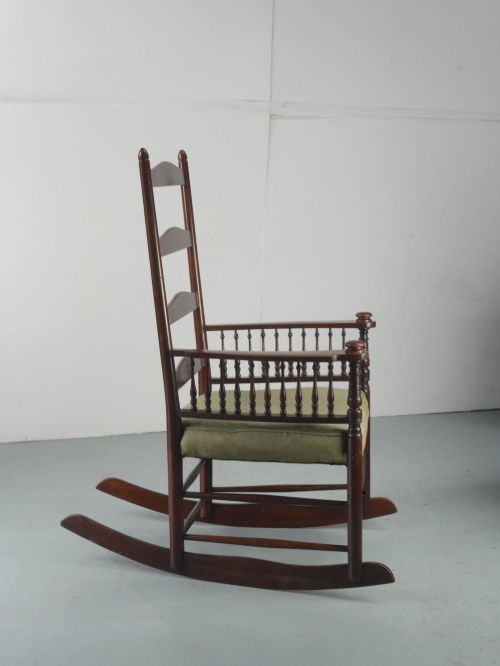
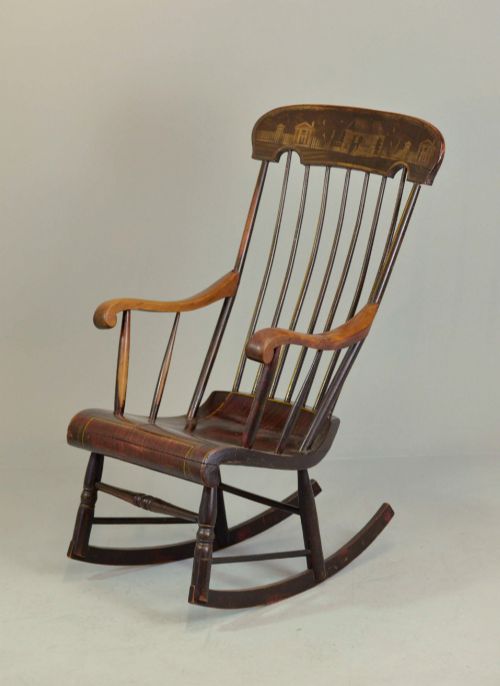
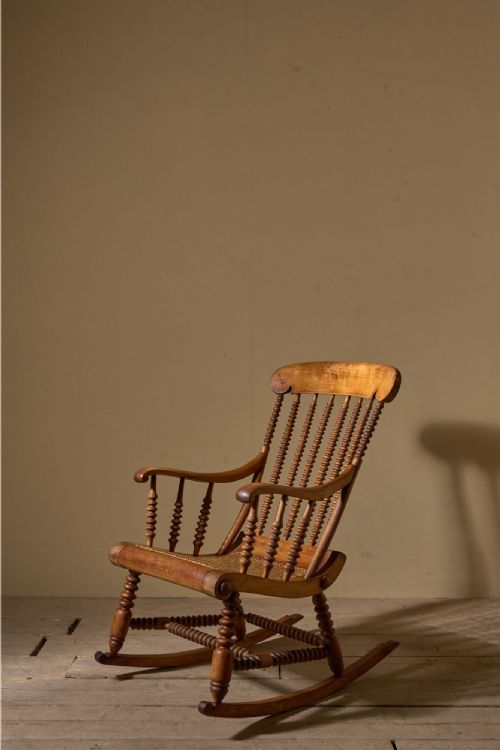
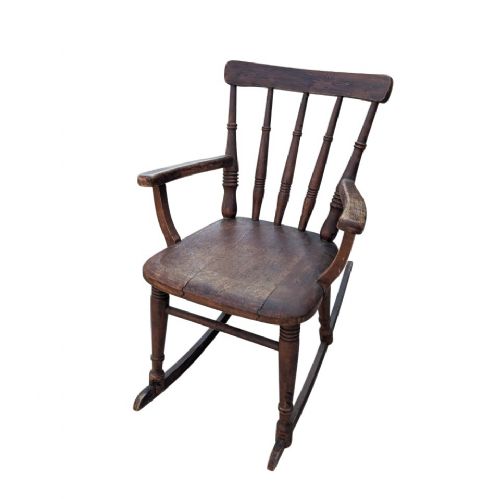
A wooden rocking seat takes many forms across domestic interiors, most commonly appearing as spindle-backed Windsor chairs, ladder backs, or occasional armchairs fitted to curved rockers. These pieces span centuries of cabinet-making, originating from rural workshops as well as later urban drawing rooms.
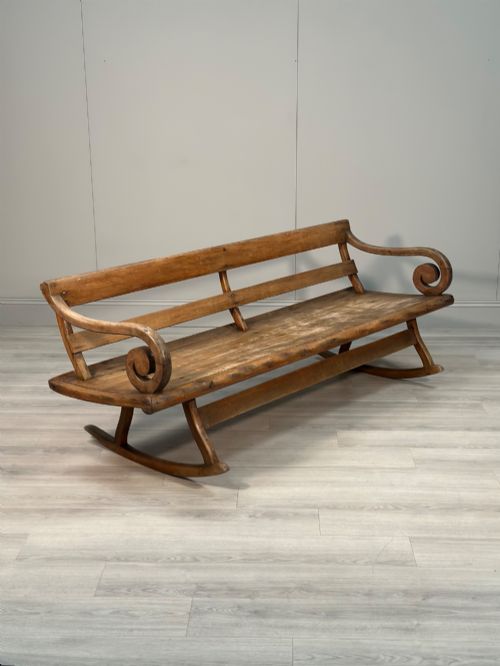
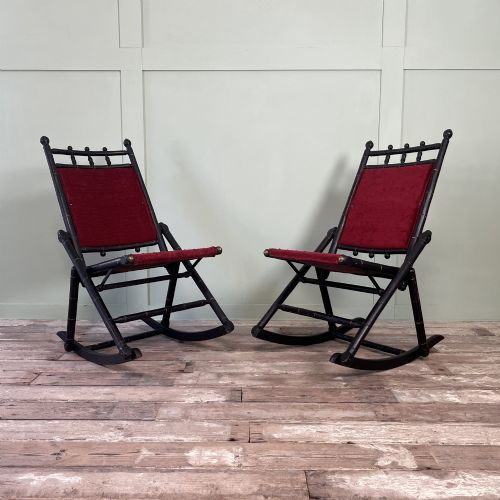
Buyers seeking a wooden rocking seat will frequently encounter nineteenth-century examples in beech, elm, and oak, alongside lighter Edwardian iterations in mahogany and bentwood. Children's variations and larger settles also appear regularly within these domestic forms.
Regional styles range from English country vernacular and Victorian rustic builds to Scandinavian country designs and American traditional models. Each piece demonstrates how makers adapted traditional seating frames to accommodate the gentle motion of a rocker.
Materials and construction
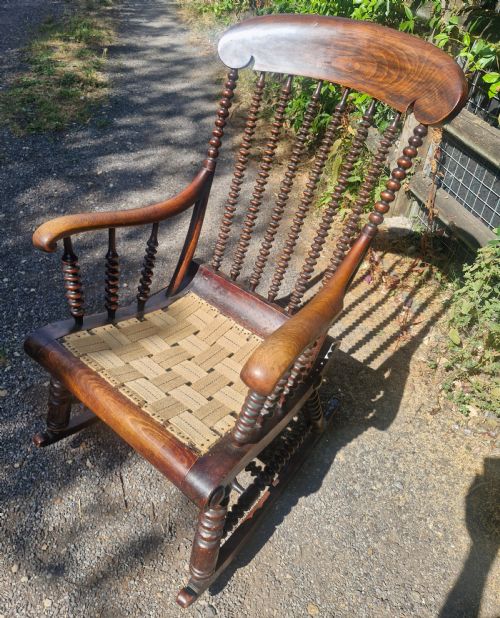
Construction relies heavily on robust timbers such as oak, elm, beech, and mahogany, shaped into turned spindles, curved steam-bent rails, and moulded panelled seats. Workshops utilised local hardwoods to build frames capable of withstanding the constant motion of rocking.
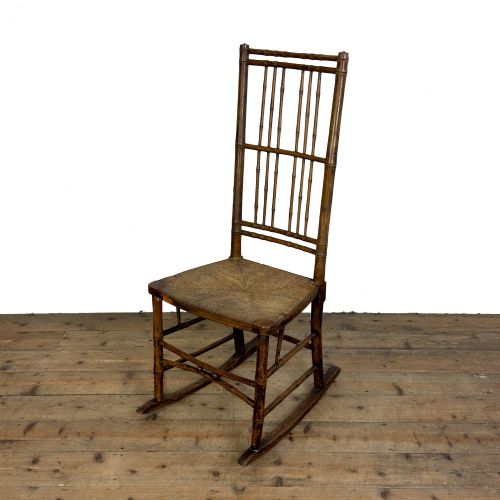
Seating areas incorporate woven rush, cane, sea grass, leather, and solid carved wood, secured directly to the wooden frame. Details such as bobbin turning, faux bamboo finishing, and brass accents further define the structural character of these pieces.
Wooden Rocking Seat Retail Price Guide 2026
Typical asking prices for wooden rocking seat among the pieces listed under this phrase on Sellingantiques today, from the lower quarter to the upper quarter. They describe what is for sale here now, not the wider market.
Materials utilised across the current selection include woven cane, rush, sea grass, leather, and solid panelled wood.
Assessing quality and craftsmanship
Quality rests upon the integrity of the timber frame and the balance of the rocker curves, ensuring the piece moves smoothly without listing to one side. Superior examples display careful joinery, such as well-fitted spindles and secure pegged joints that hold firm under regular use.
The refinement of the turnings, the execution of steam-bent components, and the choice of seat material distinguish finer parlour or stylistic pieces from simpler utility seating. Original surfaces and honest patina elevate the overall standing of an antique rocking chair.
The Wooden Rocking Seat Glossary
- Windsor chair
- A wooden chair built with a solid sculpted seat into which the legs and back spindles are separately bored and wedged. These chairs often feature bow backs and ergonomic contours.
- Spindle back
- A chair back constructed from numerous thin, turned wooden rods arranged vertically. This technique provides light yet robust support.
- Bentwood
- Timber shaped into curved forms through the application of steam and moisture. This process allows for continuous, flowing structural lines without traditional joints.
- Rush seating
- Woven seating material produced from marsh plants twisted into cords. It offers a flexible and durable surface for traditional chairs.
- Settle
- A high-backed wooden bench featuring solid arms and an enclosed base to block draughts. They serve as substantial seating units in domestic spaces.
Wooden Rocking Seat: Frequently Asked Questions
What is a wooden rocking seat?
A wooden rocking seat is a chair or bench fitted with curved wooden rails instead of standard legs, allowing it to move back and forth.
These pieces range from rustic country Windsor chairs to upholstered Victorian and Edwardian parlour seats.
Where were rocking chairs used?
These seats were traditionally placed beside fireplaces, in nurseries for soothing children, or in domestic living spaces for relaxation.
Their comfortable designs made them central fixtures in both rural farmhouses and formal drawing rooms.
How do I date a wooden rocking seat?
Dating relies on identifying timber types, construction methods, turning styles, and specific design movements like the Aesthetic Movement or Edwardian revival.
Examining the wear patterns and joining techniques helps place the piece within the eighteenth, nineteenth, or early twentieth century.
Are these chairs comfortable for daily use?
Many of these pieces are well-suited for everyday seating, particularly models with ergonomic Windsor backs or upholstered cushions.
Some smaller child or occasional versions are best suited for display rather than heavy adult use.