






Wooden Pot Board
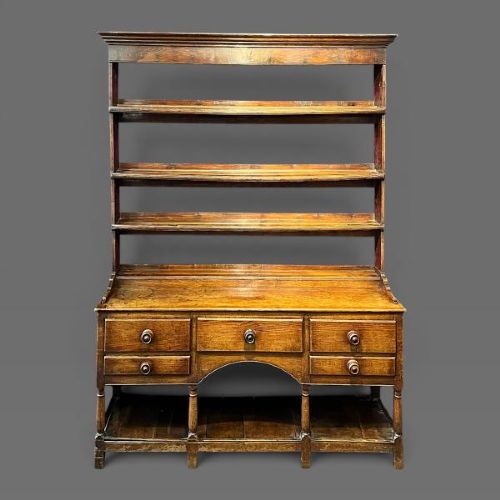
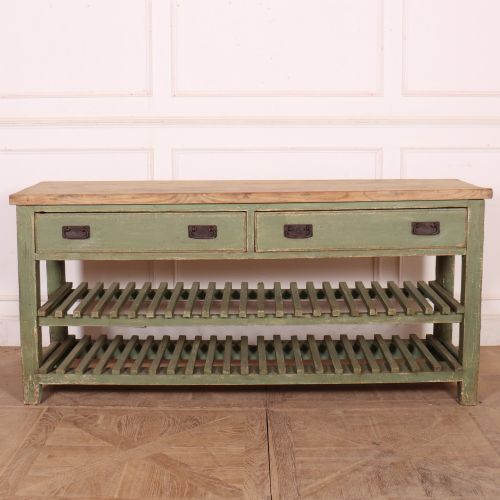
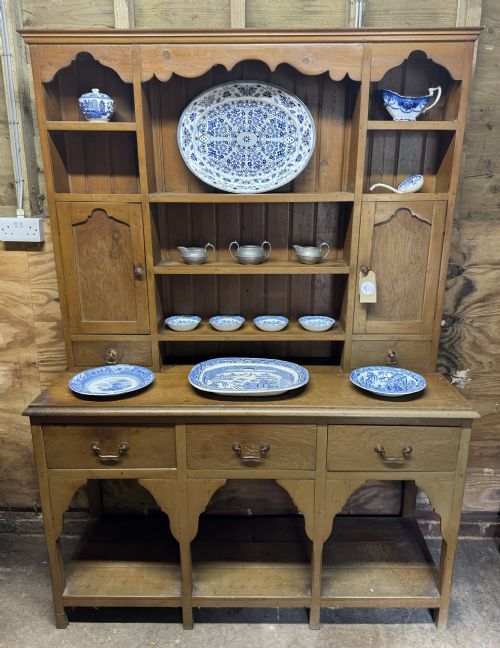
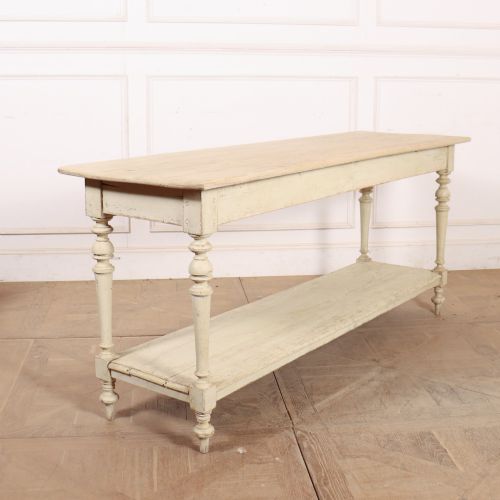
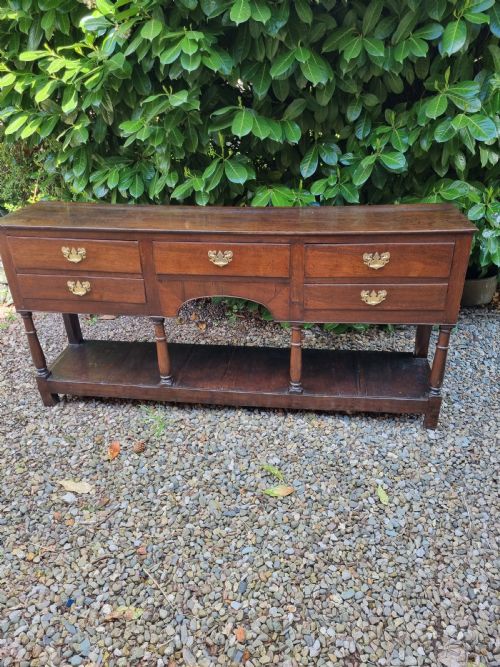
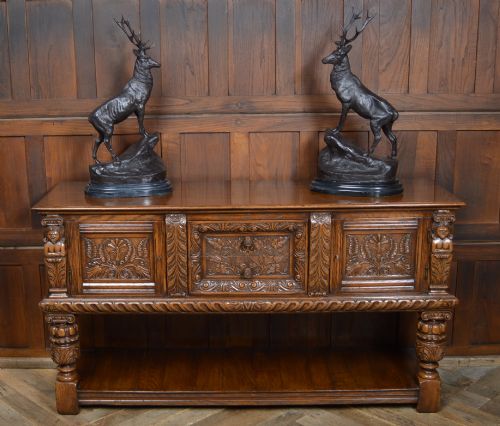
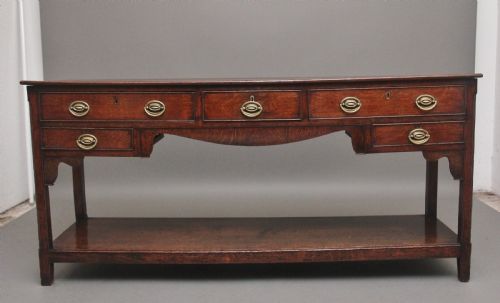
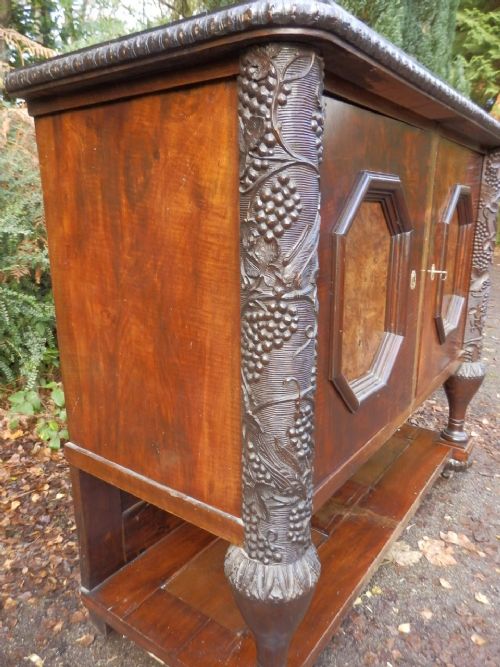
These robust wooden pot board tables and dresser bases anchor a room with honest utility, offering open lower shelves once reserved for heavy kitchen crockery.
Wooden Pot Board
A wooden pot board denotes a low surface or dresser base distinguished by a low horizontal shelf set near the floor, known as a pot board. These pieces emerge chiefly in forms like dresser bases, sideboards, and drapers tables across the eighteenth, nineteenth, and early twentieth centuries.
The specimens seen here span vernacular traditions, including Welsh and Scottish origins alongside French provincial serving tables and Edwardian interpretations. Such pieces range from utilitarian pine and painted softwood to sturdy oak constructions.
Buyers seeking this phrase typically encounter sturdy serving tables and dresser bases featuring the characteristic low shelf. These items reflect both rustic farmhouse and Georgian vernacular design lineages.
Construction and materials
Makers relied heavily on solid oak and pine timbers, frequently finished with original paint or retaining surface patinas built up over generations. Structural elements occasionally incorporate brass or iron details on drawer pulls and mounts.
Joinery techniques prioritize utility and endurance, employing heavy boards for the low pot shelf to support substantial weight without sagging. Surfaces show the marks of hand-tooling and historical wear rather than mass-produced uniformity.
Wooden Pot Board Retail Price Guide 2026
Typical asking prices for wooden pot board among the pieces listed under this phrase on Sellingantiques today, from the lower quarter to the upper quarter. They describe what is for sale here now, not the wider market.
Judging quality in a pot board
Quality rests upon the integrity of the timber and the honesty of the surface wear. Pieces retaining their original paint or unblemished patinas command greater appreciation than those stripped bare or heavily restored.
Proportion and structural balance separate exceptional vernacular items from ordinary workshop output. The relationship between the upper drawers, the working surface, and the low pot shelf determines the visual harmony of the piece.
The Wooden Pot Board Glossary
- Pot board
- A low open shelf positioned near the base of a dresser or table. This lower tier traditionally held heavy pots, pans, and earthenware.
- Dresser base
- The lower section of a kitchen or dining dresser containing drawers and cupboards without the upper plate rack. These function well as sideboards or serving tables.
- Vernacular
- Everyday furniture made by local craftsmen using regional materials and traditional styles. These pieces prioritize function over academic design rules.
- Patina
- The surface sheen and colour developed on wood through age, handling, and regular polishing. A desirable patina shows genuine history rather than artificial ageing.
- Drapers table
- A long counter-style table originally used in textile shops for folding cloth. They often feature lower pot boards for extra storage.
Wooden Pot Board: Frequently Asked Questions
What is a wooden pot board used for?
These pieces function primarily as sideboards, serving tables, or console units in modern dining rooms and kitchens. The lower shelf provides open storage for large bowls, baskets, or books.
Historically, the low shelf kept heavy earthenware pots off damp floors and within easy reach of the hearth. Today, that same shelf offers practical display space for large decorative items.
How do I date a pot board?
Dating relies on observing construction methods, timber choice, and hardware styles across the piece. Eighteenth-century examples often display hand-sawn boards and pegged joints.
Later Victorian and Edwardian pieces show more uniform machine-cut timber and standardised fixings. Regional characteristics also help place an item within Welsh, Scottish, or French traditions.
Are pot boards strictly kitchen furniture?
While their origins lie in large country house kitchens and farmhouses, these versatile bases suit many rooms. They sit comfortably in hallways, living rooms, and dining spaces alike.
The sturdy proportions and useful surface area make them practical additions throughout the home rather than single-room novelties.
What timbers were used for these?
Oak and pine dominate the surviving examples found across British and continental workshops. Oak provides heavy durability for formal vernacular designs, while pine often carries painted finishes.
Softwoods appear frequently in French provincial pieces, sometimes finished with historic painted surfaces that record decades of interior decoration.