




Wooden Pond Yacht Model
These wooden pond yacht model examples bring Victorian and Edwardian waterside leisure straight onto a study shelf or mantelpiece.
Wooden Pond Yacht Model
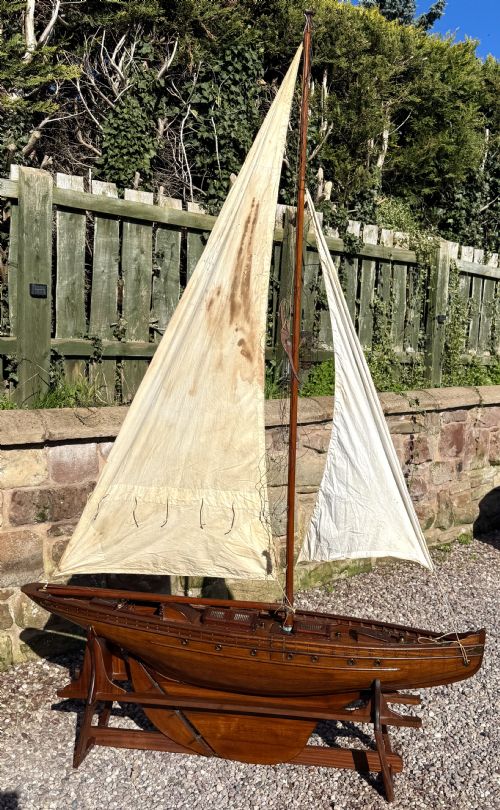
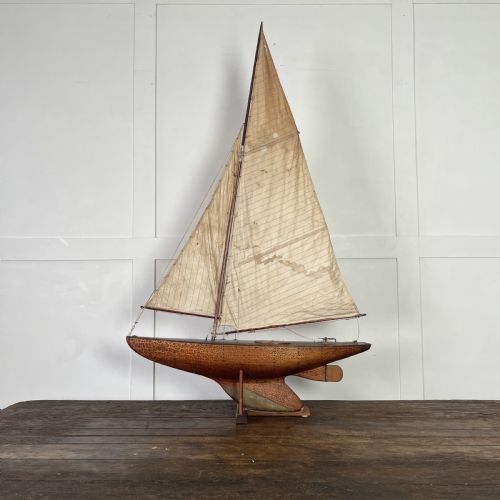
A wooden pond yacht model represents a sailing vessel built for open-air leisure during the nineteenth and early twentieth centuries. Collectors searching for a wooden pond yacht model typically encounter large scale examples, scratch-built hulls, and ketch-rigged sailing vessels.
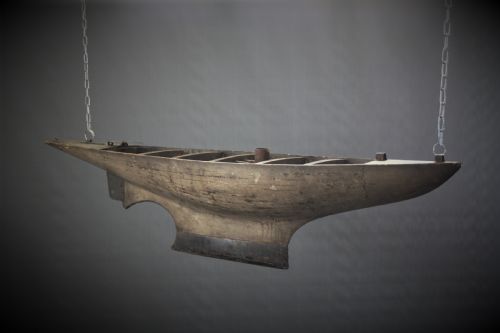
The objects span periods from the late nineteenth century through the Edwardian era and into the nineteen-twenties. Forms range from simple bare hulls to fully rigged model sailboats equipped with stands.
Maritime styles dominate the category, reflecting the recreational sailing culture of Victorian and Edwardian Britain. Most pieces on this page originate from this broad window of ornamental and functional watercraft building.
Materials and construction methods
Makers built the hulls using wood, frequently pine, shaped with carvel planking techniques to mimic full-sized vessels. Metal components and brass fittings reinforce the spars, decks, and rudders.
Rigging utilises cordage alongside canvas and cotton for the sails. Lead ballast weights are frequently integrated into the keel to ensure stability in the water.
Some hulls stand nearly eight feet high, turning a quiet desktop display into an indoor marina.
Assessing quality in model watercraft
Finer pieces display scratch-built accuracy in their hull construction and rigging details, distinguishing them from simpler decorative objects. The complexity of the sail plan, such as ketch rigging, often indicates a higher grade of craftsmanship.
The presence of original materials like period cordage, canvas, and brass fittings elevates a piece. Furthermore, surviving stands and substantial scale contribute to the overall presence of the model.
The Wooden Pond Yacht Model Glossary
- Carvel hull
- A boat building method where planks are laid edge-to-edge flush against a supporting frame. This creates a smooth exterior surface typical of traditional larger vessels.
- Ketch
- A two-masted sailing boat where the shorter mizzenmast is stepped forward of the rudder post. This rig provides balanced handling under sail.
- Rigging
- The system of ropes, cords, and chains used to support masts and control sails. In models, this determines the fidelity to actual sailing ships.
- Ballast
- Heavy material placed low in a hull to improve stability. Lead is commonly utilised for this purpose in pond yachts.
Wooden Pond Yacht Model: Frequently Asked Questions
What is a wooden pond yacht model?
It is a scale replica of a sailing ship built for recreational navigation on park ponds during the Victorian and Edwardian eras. These pieces capture the maritime engineering of their day in miniature form.
Craftsmen utilised traditional shipbuilding materials including wood, canvas, and brass to construct working models that could actually sail across open water.
How old are these model boats?
The pieces available date from the late nineteenth century through the Edwardian period and up to the nineteen-twenties. Each era brings distinct stylistic touches to the hull shape and deck layout.
Victorian examples often display heavier timber construction, while later Edwardian and nineteen-twenties pieces incorporate refined racing yacht profiles.
Were these models actually sailed?
Many of these watercraft were constructed to be sailed actively on lakes and ornamental ponds by their original owners. Their lead keel ballast and functional rudders allowed them to track across open water.
Over time, many transitioned from working toys into decorative objects displayed on stands within domestic interiors.
How should I display a large pond yacht?
Large models require a sturdy wooden or metal support stand to bear the weight of the hull safely. Placing them away from direct sunlight protects the vintage canvas sails and timber finishes.
Due to the substantial height and length of nineteenth-century examples, ensure the chosen surface provides adequate clearance and stability.