




Wooden Pedestal Stool
These wooden pedestal stool pieces offer sturdy utility and raised display surfaces, drawing collectors who appreciate versatile period seating and stands.
Wooden Pedestal Stool
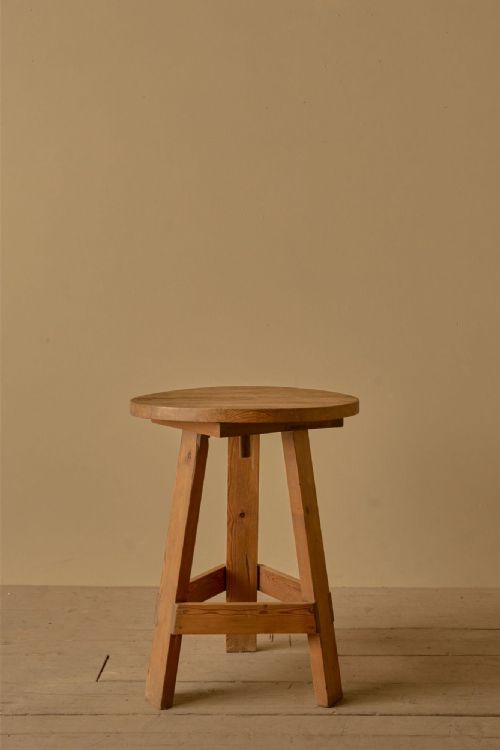
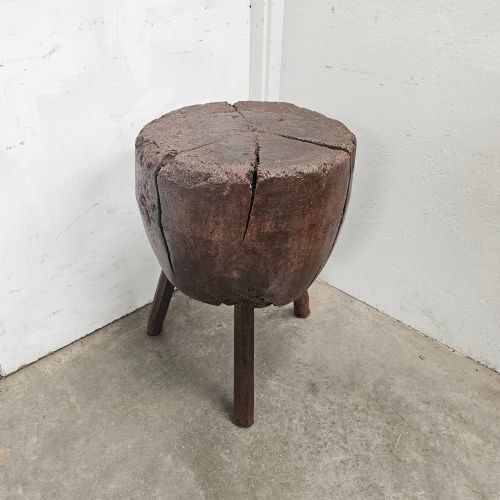
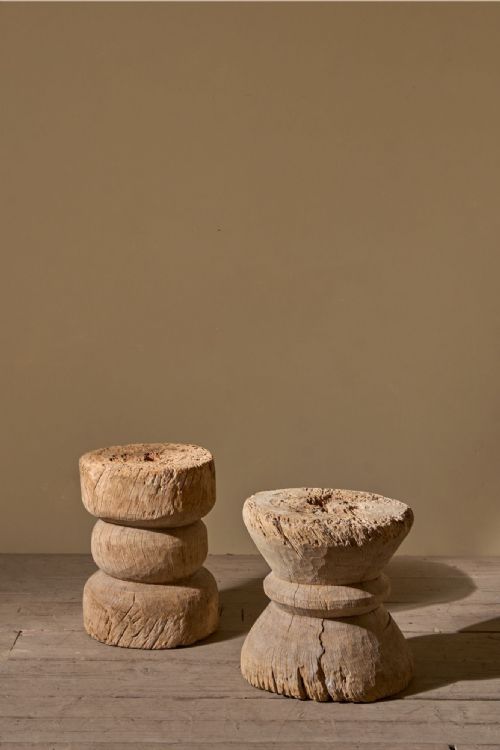
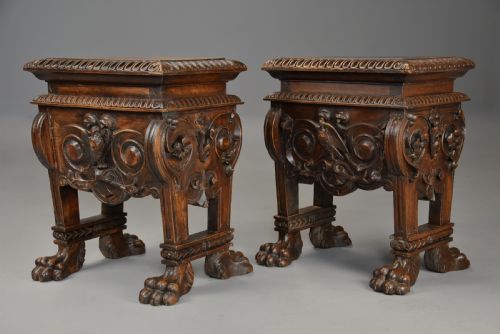
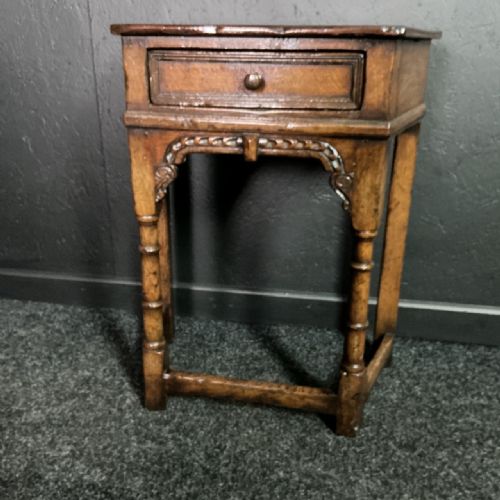
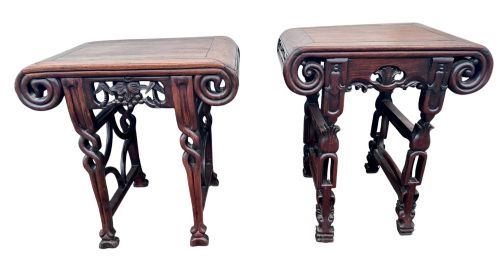
A wooden pedestal stool sits at the intersection of seating and display, functioning variously as plant stands, piano seats, side tables, and sculptors' supports. When searching for this phrase, buyers encounter items that range from rustic utilitarian blocks to finely carved Asian hardwood and European walnut designs.
The pieces on this page span several centuries, drawing heavily from nineteenth-century production alongside early twentieth-century examples. Forms vary from simple pine and elm blocks to elaborate marble-topped pedestals and revolving piano stools.
Origins stretch across Britain, Europe, and Asia, incorporating styles such as Victorian, Qing Dynasty, and Rustic Folk Art. This broad geographical spread means buyers will find both domestic vernacular items and imported exotic hardwoods.
Materials and Construction
Carpenters and makers utilised a variety of timbers including walnut, oak, elm, pine, and dense Asian hardwoods like huali and hongmu. Construction methods reflect the intended use, combining traditional joinery with turned pedestals and carved supports.
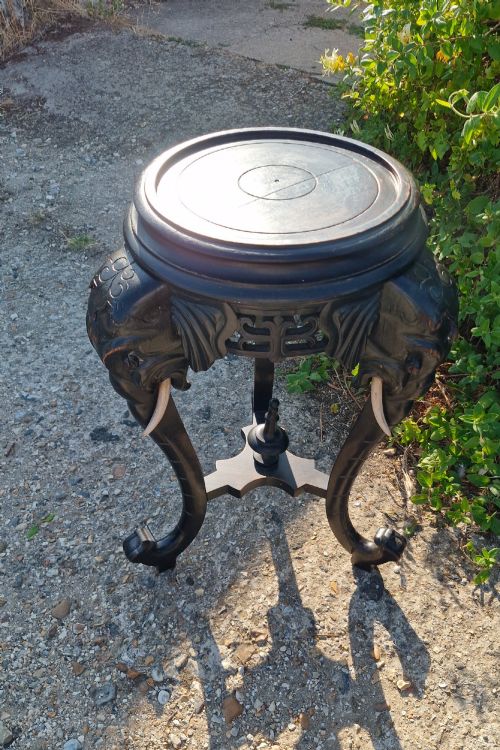
Decorative surface treatments range from plain polished wood and ebonised finishes to lacquer, paint, and inset marble tops. Some specialised items incorporate carved details such as animal forms, pearl inlay, or tan leather upholstery.
Wooden Pedestal Stool Retail Price Guide 2026
Typical asking prices for wooden pedestal stool among the pieces listed under this phrase on Sellingantiques today, from the lower quarter to the upper quarter. They describe what is for sale here now, not the wider market.
Several items double as carved wooden elephants complete with tusks, proving that utility and animal sculpture can happily share a base.
Quality and Craftsmanship
The standard of carving and the selection of timber dictate the hierarchy of these objects. Finely figured walnut or dense exotic hardwoods with crisp hand-carved details occupy the upper tier, whereas utilitarian pine and elm occupy a simpler, more robust category.
Structural integrity and original surface treatments also govern worth. Pieces retaining untouched patination, original marble inserts, or functional mechanical elements like piano stool adjustment screws stand apart from heavily altered examples.
The Wooden Pedestal Stool Glossary
- Pedestal
- A support or base that elevates a seat or tabletop. It typically consists of a central column rising from a stable footing.
- Hardwood
- Timber derived from broad-leaved trees such as walnut, oak, and ash. These dense woods provide durability for seating and table frames.
- Marble Top
- A stone slab fitted into the upper surface of a stand or table. This addition offers a cool, heat-resistant decorative plane.
- Ebonised
- Wood finished to resemble ebony through staining or painting. This technique creates a dark, uniform surface popular in Victorian design.
- Hongmu
- A category of dense, dark Asian hardwoods used in traditional furniture making. The term translates to red wood in Chinese.
Wooden Pedestal Stool: Frequently Asked Questions
What were wooden pedestal stools used for?
These items served multiple domestic and studio functions, acting as piano seats, elevated plant stands, or side surfaces for lamps and wine.
In workshops and homes, sturdy versions also functioned as sculptors' stands or heavy chopping blocks depending on the form.
How do I style a pedestal stool at home?
A pedestal stool works well in corners to elevate plants, or beside a chair to hold books and small lamps.
Because many examples feature decorative carvings or marble tops, they also function effectively as standalone sculptural objects in a room.
How do I identify a Victorian stool?
Victorian pieces often display characteristic dark ebonised finishes, turned walnut columns, or revolving mechanisms found on piano stools.
Comparing the turning style and joinery methods against nineteenth-century manufacturing norms helps confirm the period.
What is the difference between Asian and European hardwoods?
Asian pieces frequently utilise dense timbers like huali and hongmu, often accompanied by intricate hand-carved motifs and inset marble tops.
European examples typically rely on native walnut, oak, or elm, following stylistic revivals such as Gothic or Jacobean.