



Wooden Opium Table
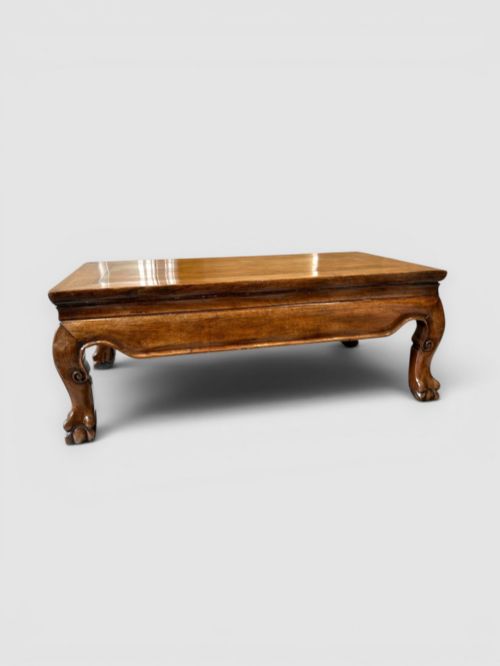
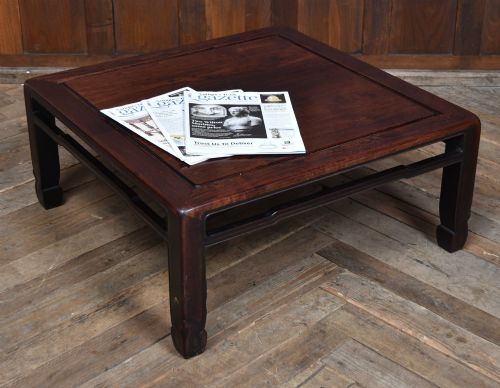
These wooden opium table examples are low Chinese hardwood and lacquer forms that anchor a modern room with rich grain and history.
Wooden Opium Table
A wooden opium table is a low-slung surface originating from traditional Chinese domestic interiors, built to sit near the floor for serving tea or resting items. When you search for this phrase, you find pieces designed for seated or floor-level use, often adapted today as low coffee tables in contemporary spaces.
The versions you meet on this page span from the eighteenth century through the Qing Dynasty and the Republic Period, taking the form of low rectangular coffee tables or Kang tables. They appear in modest scales as well as longer proportions, bridging historical Chinese craftsmanship with modern interior placement.
Most examples present timber frames elevated slightly on short legs, maintaining the compact footprint that defined their original domestic function. Their low profile remains their defining characteristic, making them distinct from standard Western dining or side furniture.
How they were made
Makers constructed these tables from dense Asian timbers, most notably padouk, elm, and general hardwoods selected for their structural stability and rich natural grain. These woods allowed artisans to carve subtle details into the aprons and edges without compromising the load-bearing strength of the low frame.
Surface treatments range from clear finishes that highlight the timber patina to red lacquer applications seen on eighteenth-century occasional examples. Joinery relied on traditional framing techniques that kept the low structures rigid through decades of daily use.
Wooden Opium Table Retail Price Guide 2026
Typical asking prices for wooden opium table among the pieces listed under this phrase on Sellingantiques today, from the lower quarter to the upper quarter. They describe what is for sale here now, not the wider market.
Listings span the eighteenth, nineteenth, and early twentieth centuries, incorporating materials like padouk, elm, red lacquer, and general hardwood.
What varies in quality
The distinction between standard examples and superior pieces rests in the depth of the timber patina and the crispness of any carved detailing around the apron. A rich, warm surface developed through age elevates a piece far beyond a flat, dry finish.
Proportion and scale also dictate quality, as smaller Kang tables and well-balanced rectangular low tables demonstrate more refined proportions than heavier, unrefined counterparts. The choice of material plays a role, with dense padouk and early lacquer surfaces commanding greater visual presence than plain timber.
The Wooden Opium Table Glossary
- Padouk
- A heavy, durable tropical hardwood prized for its deep reddish-brown colour and fine grain. It provides exceptional stability for low furniture forms.
- Qing Dynasty
- The final imperial dynasty of China, spanning from sixteen forty-four to nineteen eleven. Pieces from this era often display traditional carving styles and refined proportions.
- Lacquer
- A durable resin finish applied in multiple layers to wood surfaces. Red lacquer variations appear on eighteenth-century occasional pieces.
- Patina
- The deep sheen and surface character acquired by wood over centuries of handling and exposure. A good patina indicates genuine age and regular care.
Wooden Opium Table: Frequently Asked Questions
What is a wooden opium table used for today?
These pieces function primarily as low coffee tables in modern living rooms, placed centrally in front of sofas or seating groups. Their compact height creates a grounded focal point while keeping sightlines open across the room.
Beyond central seating placement, they serve well in smaller snugs or bedrooms as decorative display surfaces for books, ceramics, or lamps. Their historical proportions bring a distinct architectural element to contemporary interiors.
How do I identify a Qing Dynasty piece?
Identification relies on observing traditional construction methods, timber density, and the presence of period-specific carving styles along the aprons and legs. Elements such as traditional joinery and authentic surface patination point directly to the nineteenth or early twentieth centuries.
Comparing the proportions of the frame against known regional formats helps clarify the exact era of production. Examining the underside and joints often reveals the hand-tool marks typical of Qing workshops.
Are these tables sturdy enough for daily use?
The dense hardwoods used in their construction, such as padouk and elm, provide natural structural strength that withstands everyday household activities. Their low centre of gravity inherently prevents tipping, making them remarkably stable platforms.
While built to support everyday objects and serving ware, their historic surfaces benefit from basic protections like coasters to preserve the original timber patina and finish.
How do I care for antique hardwood furniture?
Maintaining these surfaces requires keeping them away from direct heat sources and strong sunlight, which can dry out ancient timber and lacquer. Occasional dusting with a soft, dry cloth keeps the wood clean without stripping its historic finish.
Applying a specialist wax sparingly helps nourish padouk and hardwood grains over time. Avoid harsh liquid cleaners that might degrade the natural patina built up across centuries.