
Wooden Open Shelving
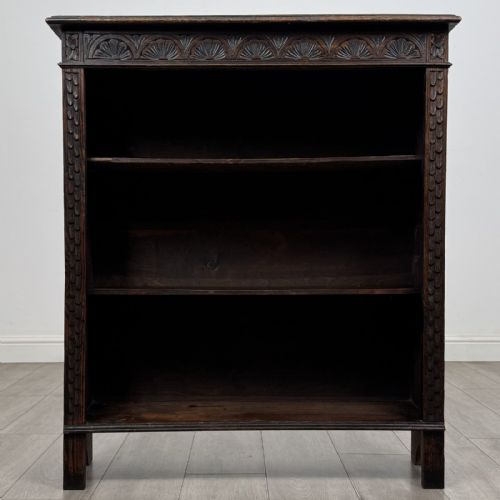
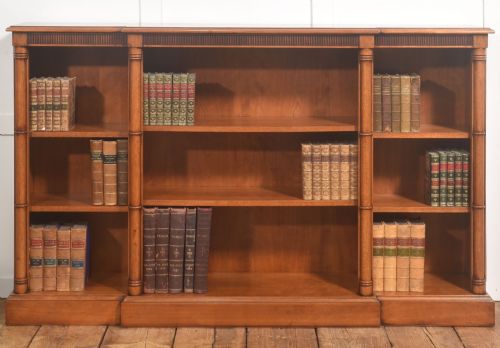
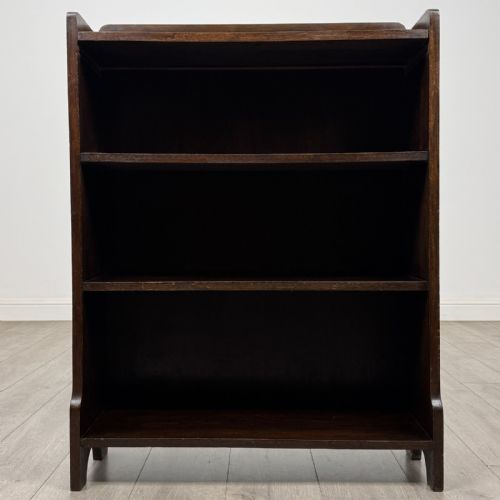
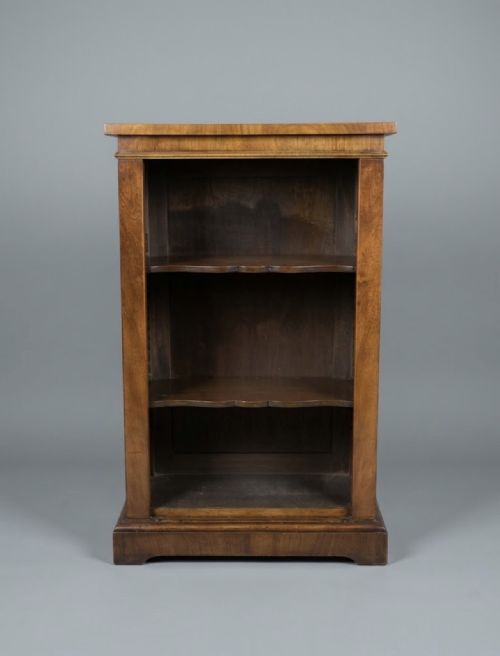
Wooden open shelving brings instant utility and display space to a room, ranging from robust oak bookcases to slender mahogany units.
Wooden Open Shelving
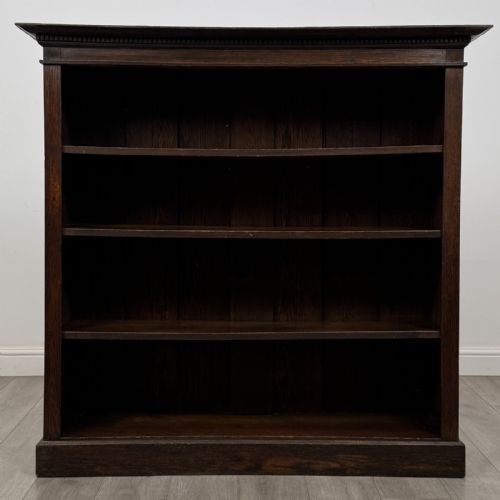
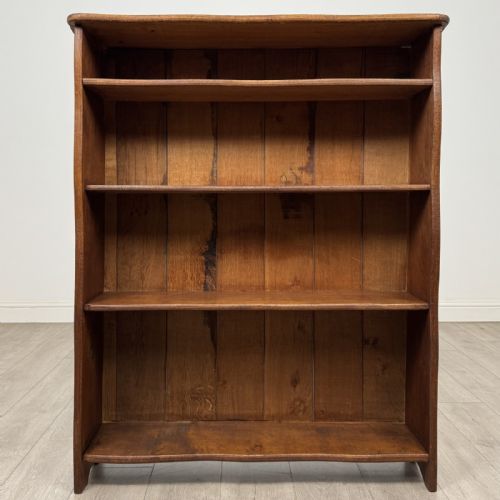
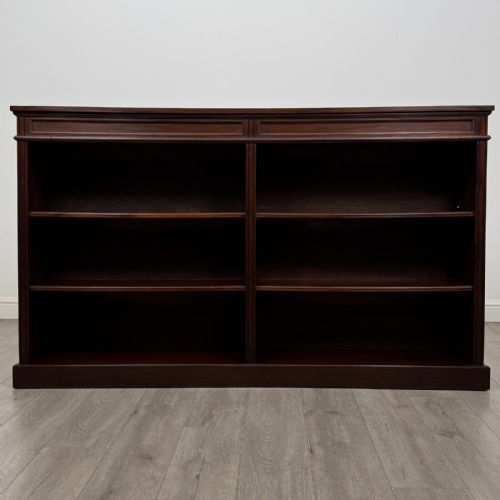
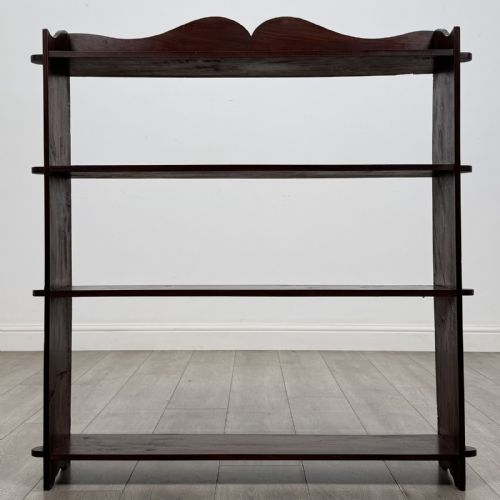
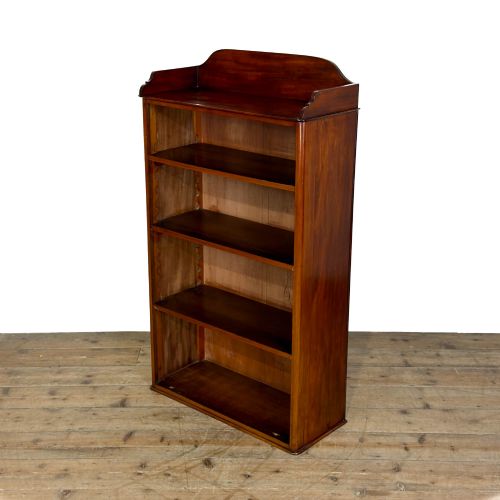
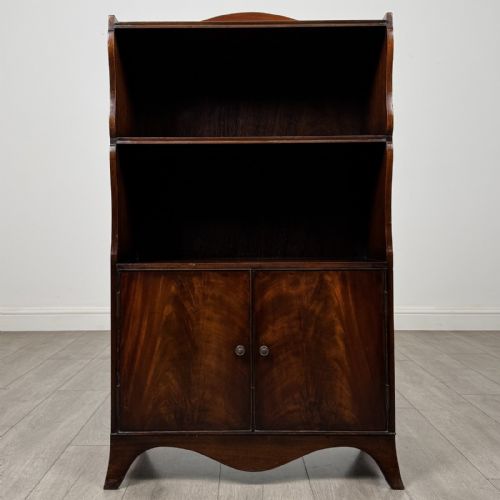
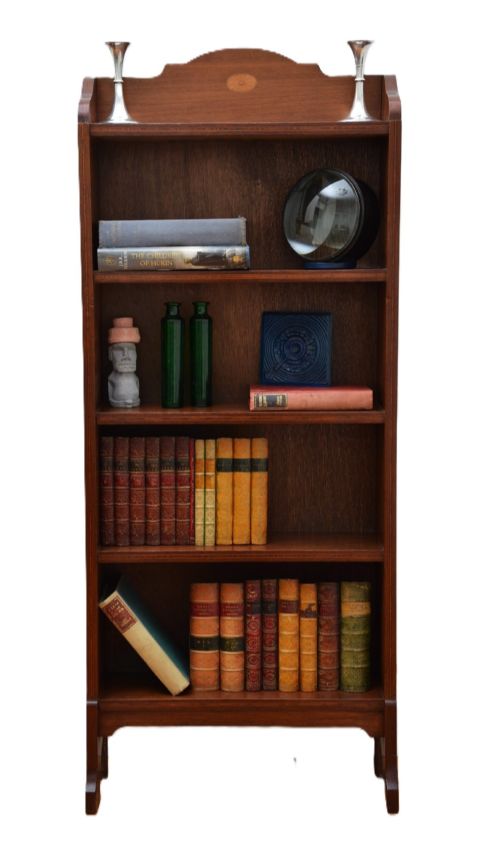
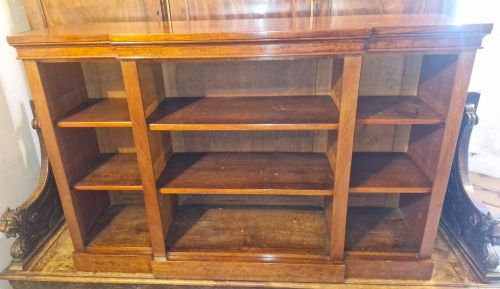
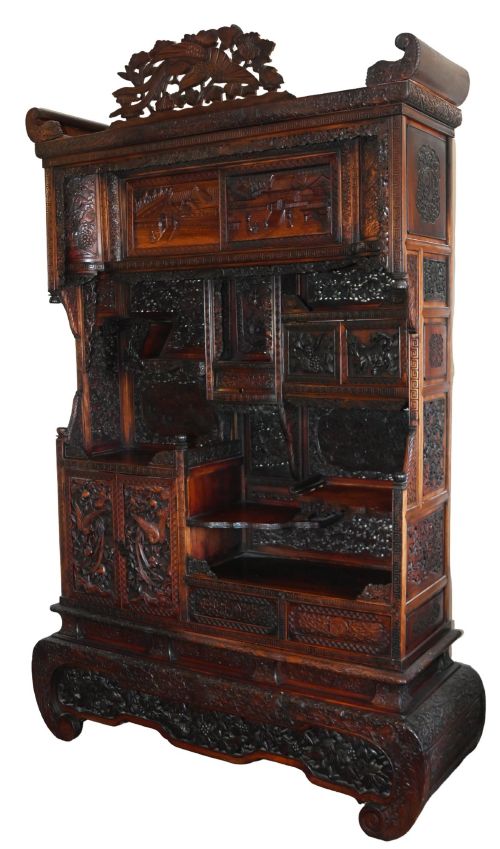
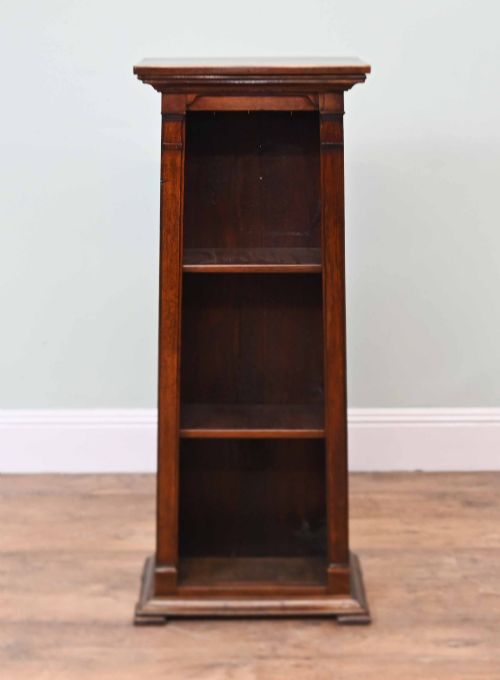
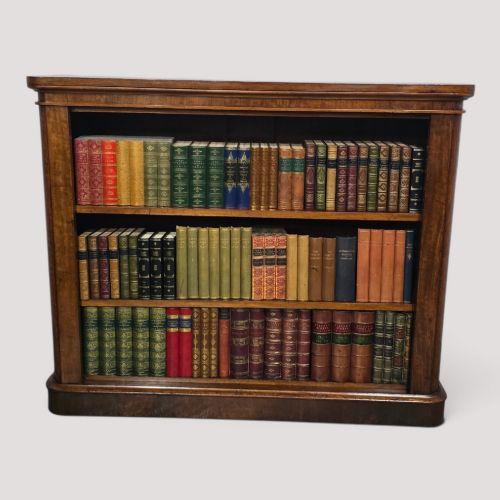
Wooden open shelving comprises a variety of bookcases, display cabinets, wall shelves, and dressers designed to hold books and objects without doors enclosing the front. These pieces emerge across periods spanning the Georgian era, the Victorian period, and the Edwardian years, alongside items from the 1920s, 1930s, and 1940s.
The most common formats on this page are bookcases and shelving units, often featuring adjustable shelves, raised galleries, or turned legs with castors. Buyers frequently encounter practical oak and mahogany formats suited to domestic libraries and living spaces alike.
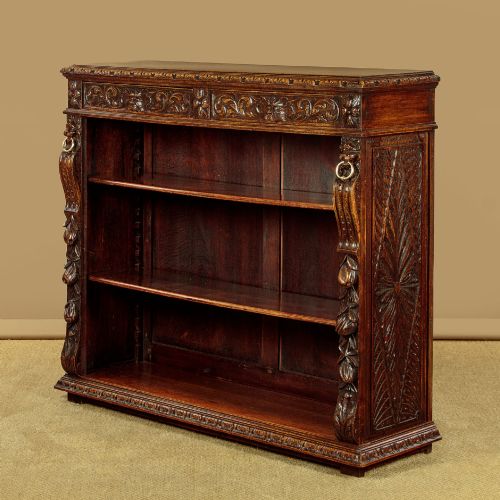
Origins stretch from formal Georgian and Regency library pieces to late Victorian carved oak designs, Arts and Crafts creations, and rustic country pine or distressed painted surfaces. Each style reflects the domestic priorities of its original period, balancing display capacity with structural timber framing.
How they were made
Construction relies heavily on solid timber and quality veneers, with oak, mahogany, walnut, and pine forming the primary structural bodies. Cabinetmakers utilised flame mahogany veneer and satinwood inlay to add visual depth to Edwardian and late Victorian surfaces.
Joinery techniques matched the functional demands of heavy book storage, incorporating fixed or adjustable shelving systems alongside carved architectural details. Brass fittings and ormolu mounts occasionally accent walnut and mahogany frames, while simpler rustic pieces rely on straightforward pegged or nailed joints.
Some Edwardian shelves included a raised gallery precisely to stop stray inkwells from rolling onto the carpet.
What varies in quality
Quality separates pieces through the selection of timber and the sophistication of decorative enrichment, such as hand-carved oak motifs versus plain moulded edges. Finer examples display figured mahogany or walnut grains and incorporate clever functional additions like raised galleries and adjustable shelf mechanisms.
Proportion and structural integrity dictate the upper tier of the range, distinguishing sturdy library bookcases from lighter decorative wall shelves and rustic country pine items. The integration of period details, from satinwood inlay to turned legs with castors, marks the distinction between standard utilitarian storage and finer cabinet work.
Johnstone and Jeanes
The Wooden Open Shelving Glossary
- Open bookcase
- A piece of furniture designed with horizontal shelves for holding books, lacking doors to enclose the storage space. These units appear frequently in oak and mahogany across multiple eras.
- Adjustable shelves
- Shelving supported by pegs, racks, or notches that allow the height between tiers to be altered. This feature provides flexibility for storing books of varying sizes.
- Raised gallery
- A low decorative railing or raised edge positioned along the top surface of a bookcase or cabinet. It prevents items placed on top from sliding off.
- Flame mahogany veneer
- A thin slice of mahogany timber featuring a distinctive, fiery flame-like grain pattern applied over a secondary wood base. Cabinetmakers used this technique to create striking visual movement on cupboard fronts and top boards.
- Satinwood inlay
- Contrasting light-coloured wood inserted into recesses cut into a darker primary wood like mahogany or walnut. This decorative practice creates fine geometric or floral borders.
Wooden Open Shelving: Frequently Asked Questions
What is wooden open shelving?
Wooden open shelving consists of bookcases, wall shelves, and display units built from timbers like oak, mahogany, and walnut without front doors.
These pieces provide accessible storage and display surfaces for books and decorative objects in domestic interiors.
How do I style wooden open shelving?
Balance books stored vertically with horizontal stacks and decorative objects to maintain visual variety across the shelves.
Mix items of different heights and materials, such as brass accents or ceramics, to complement the natural timber grain.
Are shelves usually adjustable?
Many period bookcases feature adjustable shelves supported by internal rack systems or wooden pegs.
This adaptability allows the user to customise shelf heights for heavy folios or standard volumes.
How do I identify Victorian open shelving?
Victorian pieces often feature darker timbers like solid mahogany or carved oak, alongside sturdy proportions and substantial decorative mouldings.
Later Victorian examples may incorporate Sheraton-style inlay work and adjustable shelving mechanics.
Where were these pieces used?
These units served primarily in home libraries, studies, and drawing rooms for organising personal book collections.
Wall-mounting versions and smaller cabinets also found placement in parlours and bedrooms for general display.