



Wooden Music Seat
A wooden music seat brings period character to a room, offering practical seating alongside the piano with adjustments or storage built for players.
Wooden Music Seat
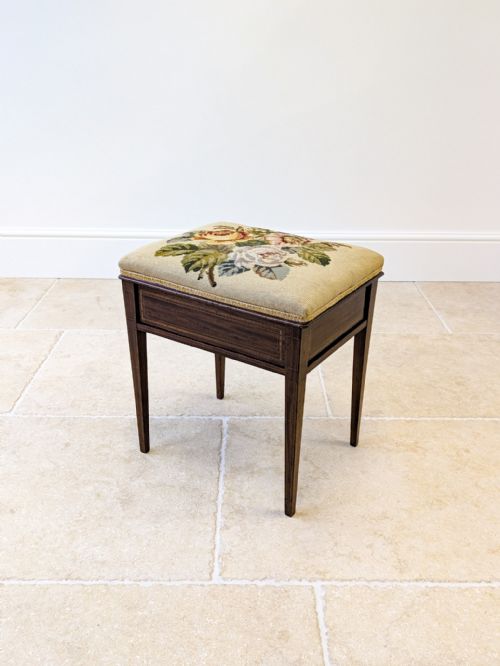
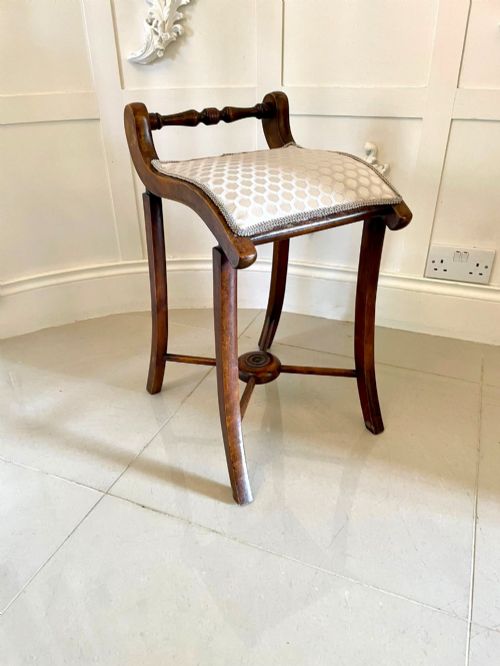
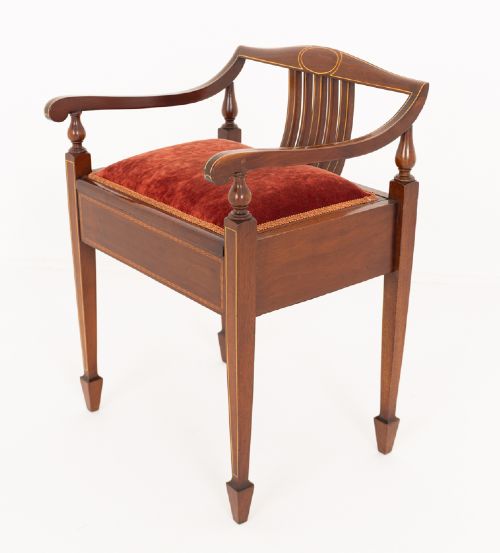
A wooden music seat serves players at keyboards and pianos, appearing on this page in forms such as piano stools, music chairs, benches, and side chairs. These pieces span periods from the Regency era through Victorian times, the Edwardian period, and into the Art Deco years.
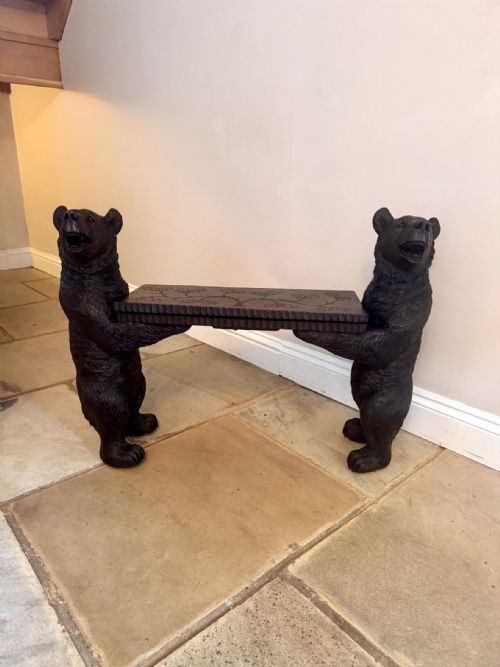
The most common versions met here are mahogany or walnut piano stools, often featuring adjustable heights or dual seating capacities. Makers combined utility with decorative arts styles including Sheraton Revival, Aesthetic Movement, and Black Forest carvings.
How they were made
Craftsmen shaped these seats using timbers such as mahogany, walnut, oak, and ebonised hardwoods, applying carving, marquetry inlay, and turning techniques. Structural joinery supported heavy use at the keyboard while accommodating mechanical height adjustment screws or swivel mechanisms.
Upholstery completed the design, utilising fabrics like velvet alongside metal and brass hardware for hinges, feet, or adjusting screws. Workshops also integrated musical box movements into specialised wooden frames, as seen in Swiss marquetry examples.
Wooden Music Seat Retail Price Guide 2026
Typical asking prices for wooden music seat among the pieces listed under this phrase on Sellingantiques today, from the lower quarter to the upper quarter. They describe what is for sale here now, not the wider market.
Some Victorian bears apparently took up music, guarding wooden seats with carved determination.
What varies in quality
Quality separates standard utilitarian seats from exceptional pieces through the crispness of carved details, the complexity of marquetry inlay, and the sophistication of the timber figure. Finer examples display refined proportions and deliberate stylistic adherence to periods like Sheraton Revival or the Aesthetic Movement.
The complexity of the mechanical engineering further distinguishes better pieces, particularly smooth-operating adjustable height screws and robust duet frames. Integrated musical movements of Swiss origin elevate the standing of a seat above standard wooden frames.
Gillows
The Wooden Music Seat Glossary
- Duet stool
- A wider wooden music seat designed to accommodate two players simultaneously at the piano. These benches frequently incorporate hinged upholstered lids opening to sheet music storage.
- Marquetry
- A decorative technique applying fitted pieces of veneer to wood surfaces to form intricate pictorial or geometric patterns. Swiss walnut examples utilise this method on music seats.
- Adjustable height
- A mechanical feature allowing the seat top to raise or lower via a central wooden screw or metal mechanism. This allowed musicians to find their precise playing posture.
- Sheraton Revival
- A late nineteenth and early twentieth century design style drawing inspiration from eighteenth century neoclassical furniture. Pieces in this manner feature refined mahogany framing and subtle inlay.
- Ebonised
- Wood treated with a dark finish to imitate expensive ebony. This dark surface treatment found favour during the Victorian era and the Aesthetic Movement.
Wooden Music Seat: Frequently Asked Questions
What is a wooden music seat?
A wooden music seat is a specialised piece of furniture designed for keyboard players, combining sturdy timber frames with adjustable heights or duet proportions.
These items range from single revolving piano stools to long benches with internal storage for sheet music.
How do you adjust the height?
Many period piano stools utilise a central wooden screw mechanism that raises or lowers the upholstered top when rotated.
Other variants employ metal threaded rods or side levers to secure the seat at the preferred playing level.
Where were music seats placed?
They sat directly before upright or grand pianos in Victorian and Edwardian drawing rooms, parlours, and music salons.
Their decorative wood and upholstery matched the domestic interior styling of the period.
How do you date a music seat?
Dating relies on identifying timber choices, decorative styles such as Sheraton Revival or Art Deco, and construction methods.
Turned legs, brass hardware fittings, and upholstery techniques provide further clues to the exact decade of manufacture.