





Wooden Luggage Table
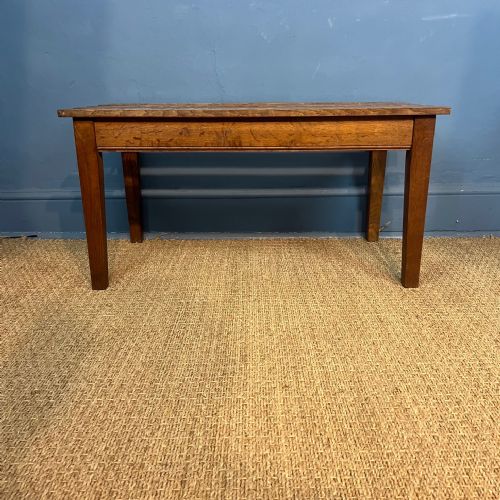
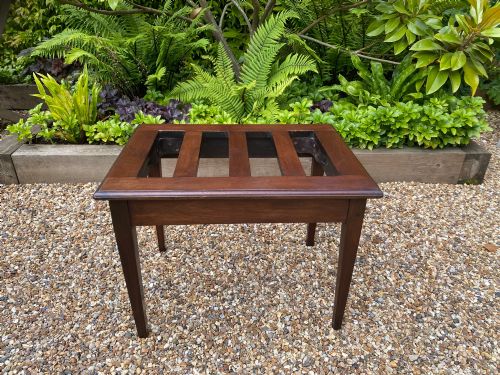
A wooden luggage table serves as a sturdy stand or compact chest, offering practical surface space and traditional utility for the home.
Wooden Luggage Table
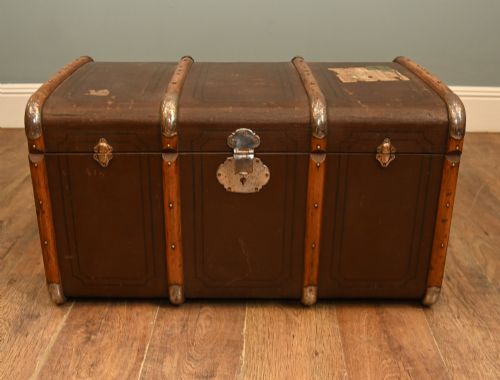
Visitors browsing this selection will frequently encounter nineteenth-century luggage stands alongside early twentieth-century steamer trunks. These items reflect both domestic hospitality furniture and rugged travel gear adapted for modern interiors.
How they were made
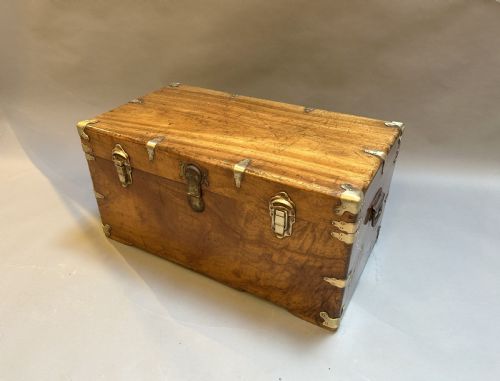
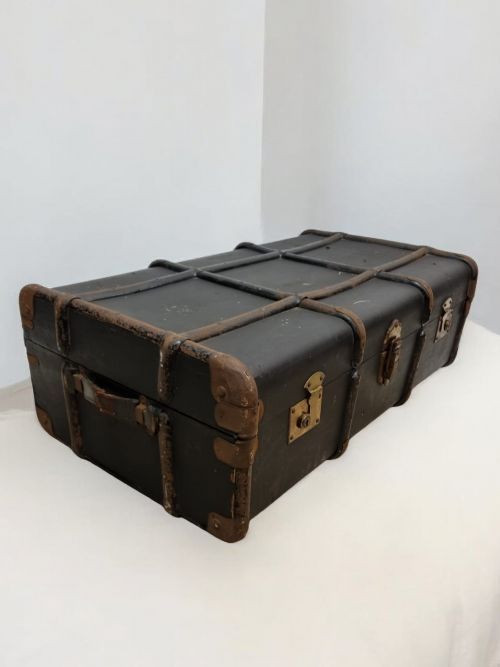
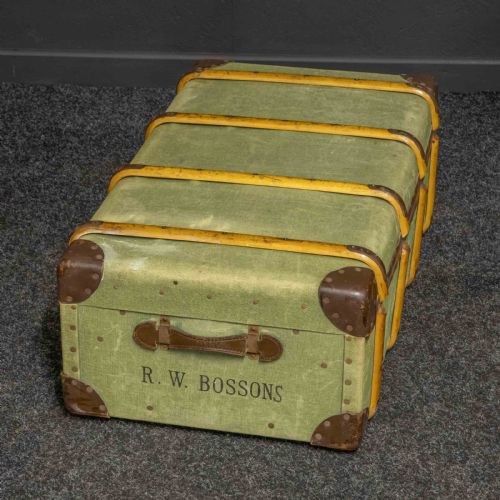
The construction relies on durable hardwoods such as oak, mahogany, yew wood, and camphor wood, selected for strength and grain character. Trunks often incorporate protective metal hardware, brass caps, and leather or canvas coverings to withstand rigorous journeys.
Campaign and colonial pieces utilise folding mechanisms and reinforced joints designed for portability without sacrificing structural integrity. Internal zinc linings appear on specialised military chests to protect contents from moisture.
Wooden Luggage Table Retail Price Guide 2026
Typical asking prices for wooden luggage table among the pieces listed under this phrase on Sellingantiques today, from the lower quarter to the upper quarter. They describe what is for sale here now, not the wider market.
Some travel trunks retain their original steamship travel labels, offering a quiet nod to transatlantic voyages of a century ago.
What varies in quality
Quality rests upon the choice of timber and the precision of the joinery, distinguishing utilitarian containers from finer household furnishings. Pieces utilising dense hardwoods like mahogany or yew display superior resilience and refined grain patterns compared to simpler utility items.
The sophistication of the original hardware, including brass fittings, locks, and corner caps, separates standard travel gear from exceptional examples. Original strapping, intact leather work, and functional folding mechanisms further elevate the standing of a piece.
Aux Etats Unis
The Wooden Luggage Table Glossary
- Steamer trunk
- A medium-sized travel trunk designed to fit in a ship's cabin stateroom during the late nineteenth and early twentieth centuries. These cases often feature flat or slightly rounded tops for stacking.
- Campaign furniture
- Portable furnishings made for military officers or travellers on the move. These items typically feature folding frames, recessed handles, and robust construction.
- Luggage stand
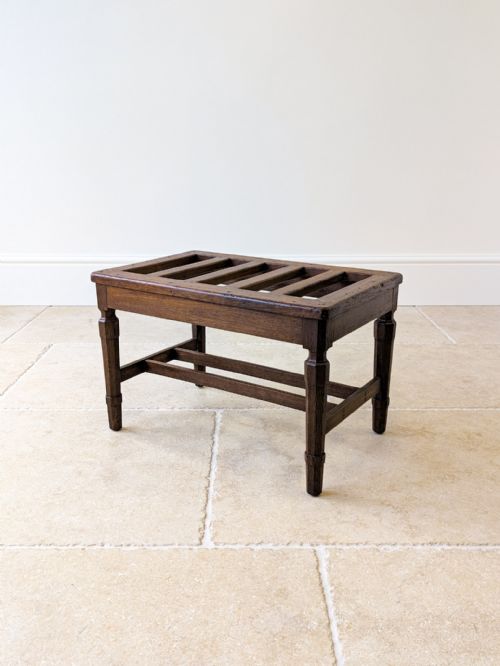
- A low folding or fixed table designed to hold a suitcase or trunk at a convenient height for packing. They commonly appear in guest bedrooms as traditional hospitality furniture.
- Zinc lining
- A protective metal interior fitted inside travel chests to keep contents dry and secure during long voyages. This material adds significant weight and durability to military and transit trunks.
Wooden Luggage Table: Frequently Asked Questions
What is a wooden luggage table?
A wooden luggage table refers to furniture designed to support travel bags or serve as compact storage chests. The category covers folding luggage stands from the nineteenth century as well as robust travel trunks.
These versatile objects function effectively as bedside tables, coffee table alternatives, or guest room luggage racks. Their historical utility lends distinct character to contemporary living spaces.
How do I use a luggage stand at home?
Luggage stands work well in guest bedrooms to hold suitcases or folded blankets within easy reach. Their folding frames allow for simple storage when not in use.
Some homeowners repurpose them as casual side tables or display stands in hallways and living rooms. The sturdy wooden frames support trays, books, or baskets with ease.
What is the difference between a trunk and a stand?
A trunk provides enclosed storage space with a hinged lid, built primarily for transporting personal belongings during travel. These lidded chests double as decorative storage containers in modern interiors.
A luggage stand consists of an open wooden frame designed simply to elevate luggage off the floor. Stands emphasise portability and quick access rather than enclosed storage capacity.
How old are these wooden travel pieces?
The pieces available range from the nineteenth century through the 1920s Art Deco era. Victorian examples often feature traditional oak or mahogany construction with simpler lines.
Later pieces from the early twentieth century include specialised steamer trunks and travel cases bearing original hardware. Each era reflects the prevailing travel habits and cabinet-making standards of its time.