

Wooden Locker Cupboard
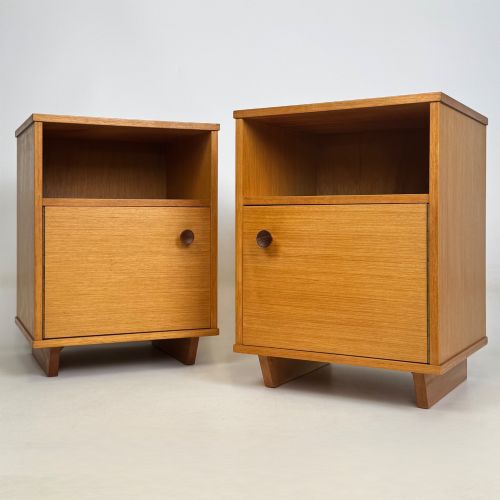
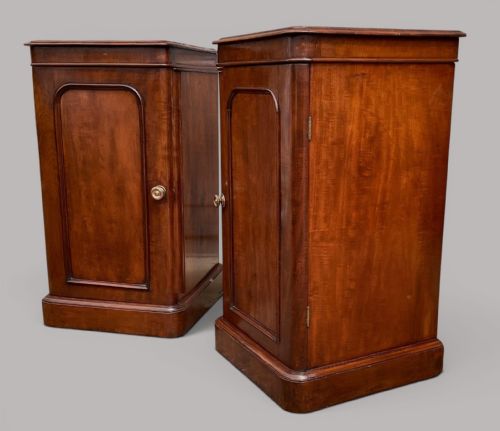
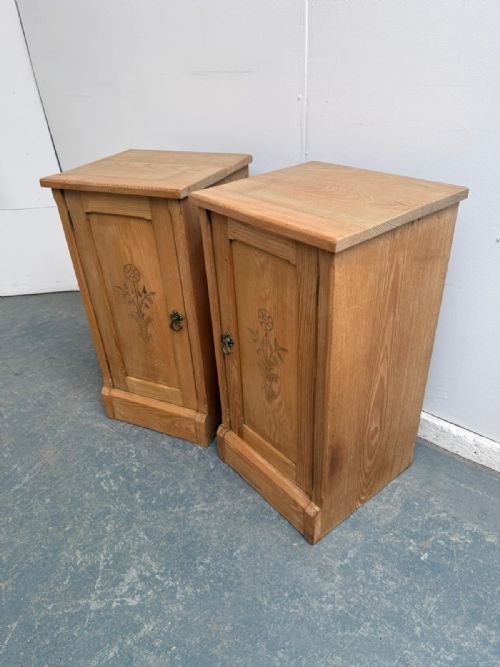
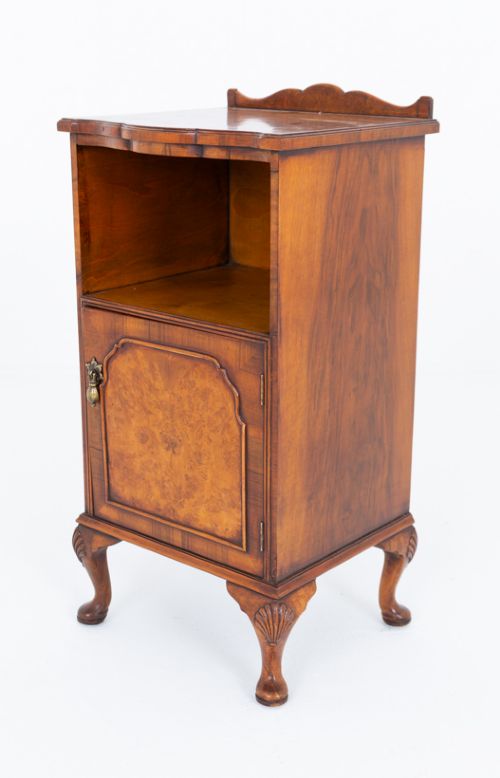
A wooden locker cupboard brings functional storage and period character to a room, ranging from industrial fifteen-door lockers to compact bedside cabinets.
Wooden Locker Cupboard
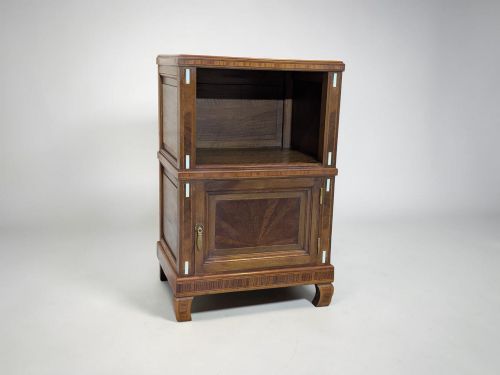
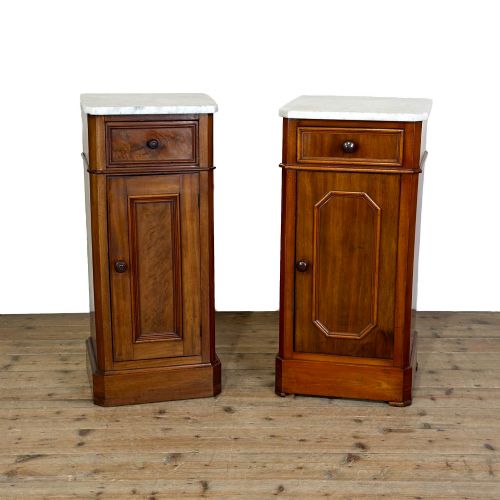
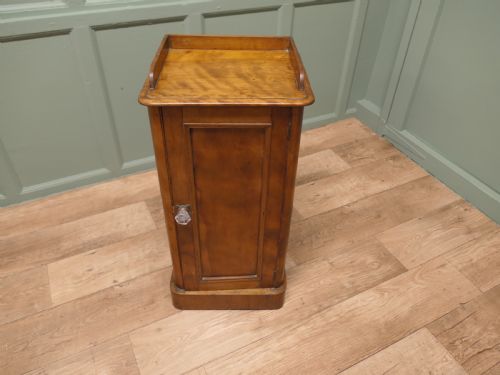
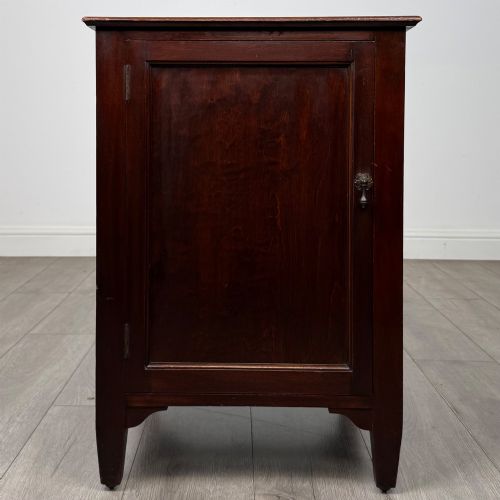
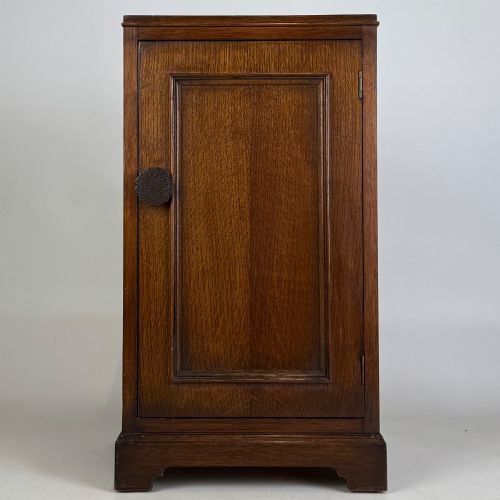
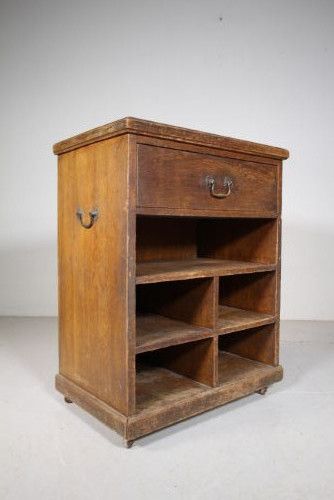
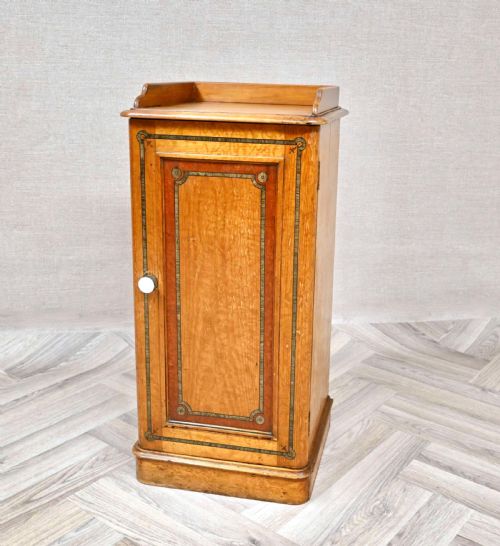
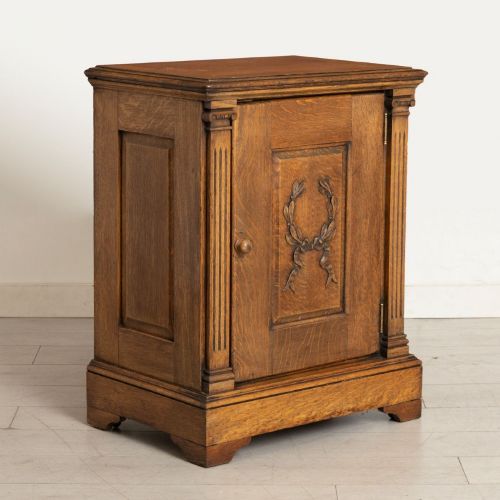
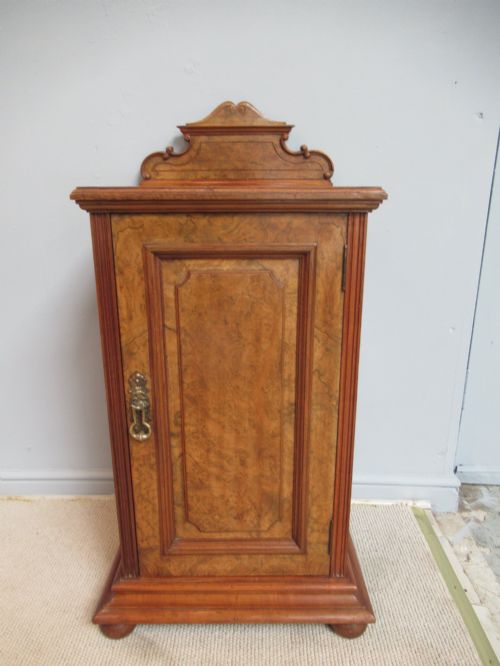
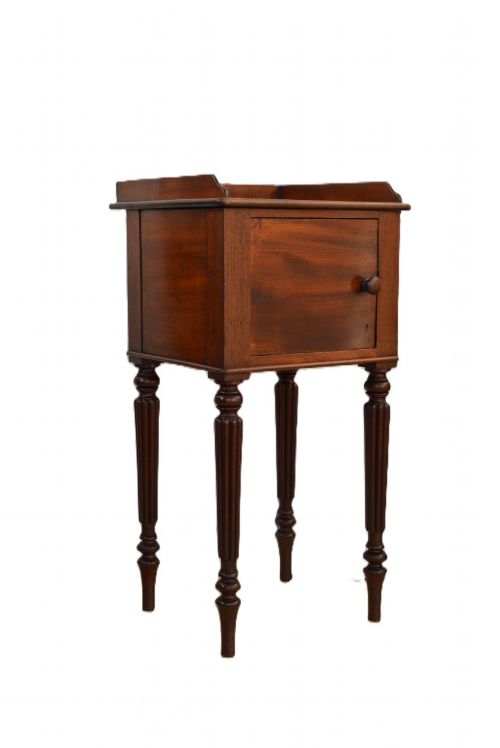
A wooden locker cupboard encompasses a variety of storage pieces designed for domestic and industrial use, spanning several centuries of British and continental craftsmanship. When exploring this selection, buyers encounter forms ranging from sturdy nineteenth-century pine locker units to refined bedside cabinets and corner cupboards.
Stylistic influences follow the prevailing tastes of their respective decades, incorporating Gothic Revival, Arts and Crafts, and Art Deco details alongside classic Georgian and Victorian proportions.
Materials and Construction
Cabinet makers utilised a dependable selection of timbers, predominantly oak, mahogany, satinwood, and walnut, frequently selecting burr walnut or ash for decorative grain patterns. Pine served practical functions in larger utility and locker units.
Construction techniques involve traditional joinery, incorporating brass hardware, inlaid details, and reeded or carved embellishments. Surfaces receive wax, polish, or stain finishes that highlight the natural properties of the wood.
Listings feature woods including mahogany, oak, satinwood, walnut, and pine across Victorian, Edwardian, and Georgian periods.
Evaluating the Pieces
Distinctions in quality arise from the selection of timber and the precision of the joinery rather than the sheer age of the piece. Master craftsmen employed superior matching of wood veneers and executed intricate inlay work with exact alignment.
The integrity of the hardware, the smoothness of drawer and door operations, and the retention of original surface patination distinguish finer examples from standard utility items.
Holland and Sons·Gillows·Heals·Betty Joel
The Wooden Locker Cupboard Glossary
- Pedestal cabinet
- A freestanding single-door cupboard built with a tall vertical proportion. These pieces typically house a single internal shelf and sit directly on the floor or on short bracket feet.
- Satinwood
- A durable hardwood with a lustrous, golden sheen utilised extensively for fine cabinetmaking and decorative inlay. It appears frequently in Edwardian and late Victorian pieces.
- Gothic Revival
- An architectural and decorative style drawing inspiration from medieval design. Cabinets in this aesthetic feature pointed arches, heavy tracery, and robust carved oak.
- Inlay
- A technique where pieces of contrasting timber or metal are inserted into recesses in the primary wood surface to create geometric or floral patterns.
Wooden Locker Cupboard: Frequently Asked Questions
Where should I place a wooden locker cupboard?
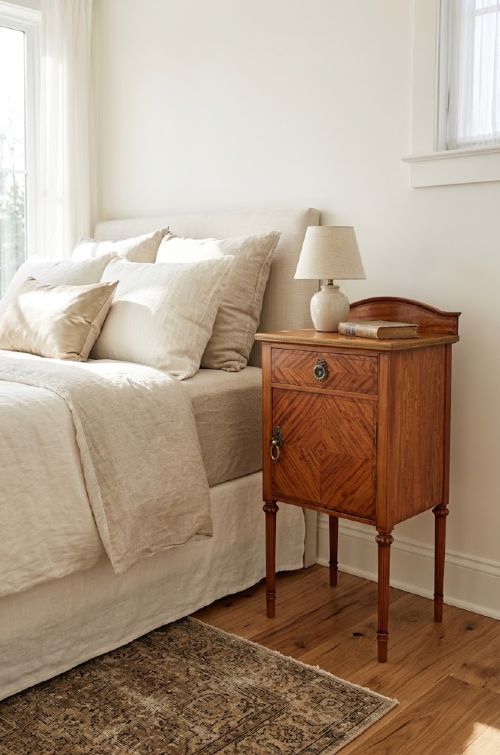
These versatile storage units function effectively as bedside tables, hallway storage, or compact living room cabinets. Their enclosed shelving keeps small items concealed while adding architectural interest to the wall or corner.
Larger multi-door locker units provide substantial storage capacity for utility rooms or kitchens. Smaller pedestal versions fit neatly beside seating arrangements or beds.
How do I identify a Georgian cupboard?
Georgian pieces display restrained proportions, classic architectural cornices, and premium timber selections like solid mahogany or oak. Hardware remains minimal and appropriate to the eighteenth-century aesthetic.
Construction methods rely on hand-cut dovetails and pegged joints. Secondary timbers inside the cabinet typically consist of oak or pine.
What is the difference between Victorian and Edwardian styles?
Victorian cabinets generally feature heavier proportions, darker wood tones, and robust ornamentation such as carved panels and brass drawer pulls. The aesthetic leans toward formal solidity.
Edwardian pieces often present lighter woods like satinwood, delicate string inlay, and airier silhouettes. The influence of the Arts and Crafts movement introduced simpler, honest construction.
How do I care for antique wood furniture?
Maintain timber surfaces by applying natural beeswax periodically and buffing gently with a soft cloth. Avoid placing wooden cabinets in direct sunlight or near heat sources to prevent the wood from drying out.
Keep humidity levels in the room stable to protect historical joinery and veneers. Clean spills immediately using a dry or barely damp cloth.