
Wooden Leg Footstool
A wooden leg footstool brings low seating and resting surfaces into a room, drawn from centuries of provincial and formal woodworking traditions.
Wooden Leg Footstool
A wooden leg footstool comprises low seating furniture supported by timber uprights, encompassing diverse historical forms from the seventeenth century onwards. When exploring a wooden leg footstool, a buyer encounters regional vernacular items alongside formal period examples.
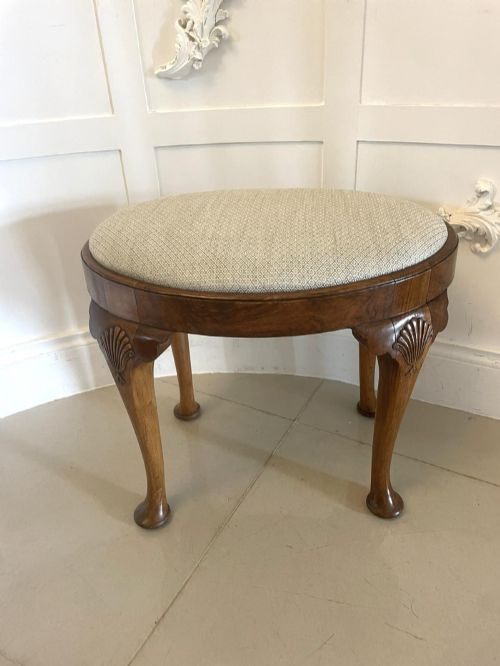
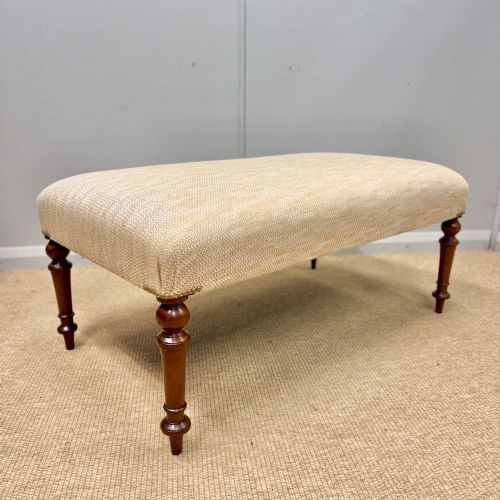
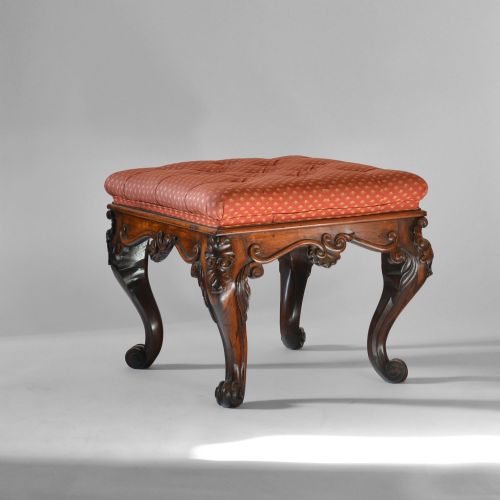
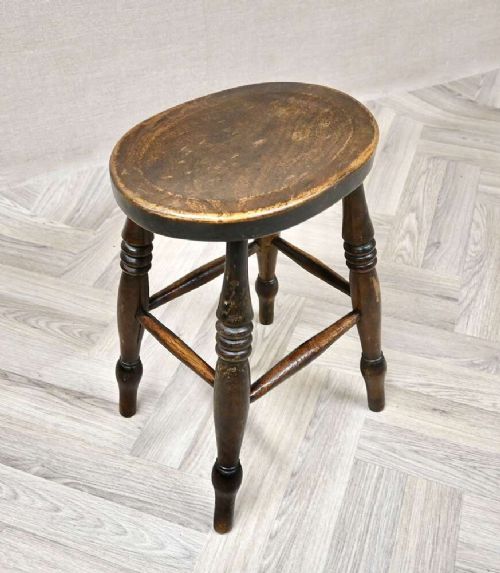
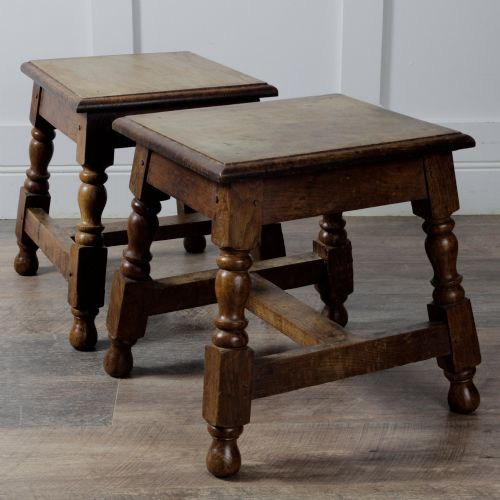
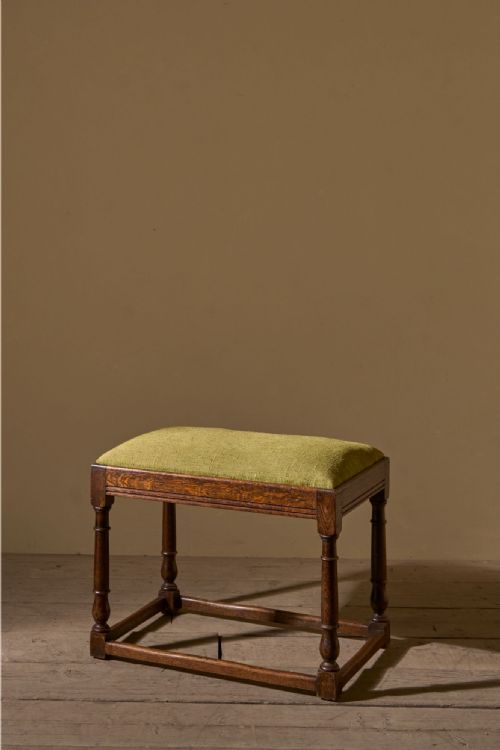
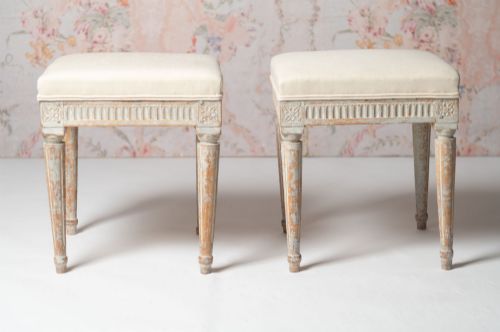
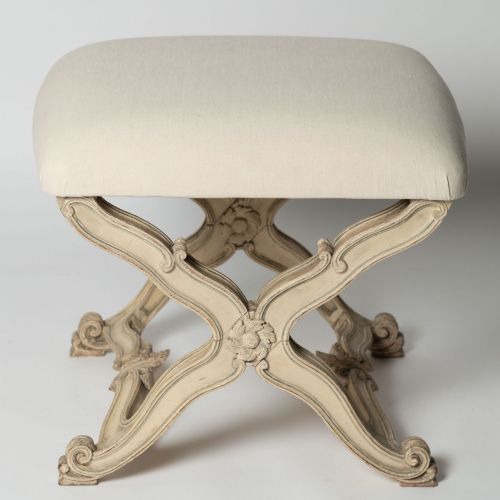
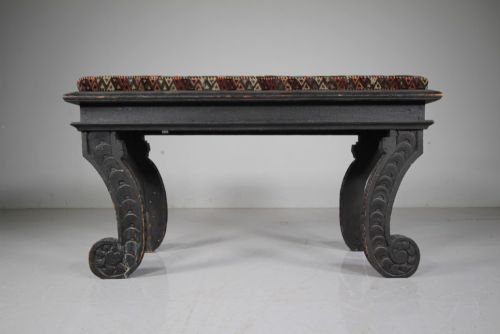
The selection ranges from early joint stools and rustic milking seats to upholstered Victorian and Edwardian dressing stools. Many pieces reflect specific regional workshops across England, France, Sweden, and Eastern Europe.
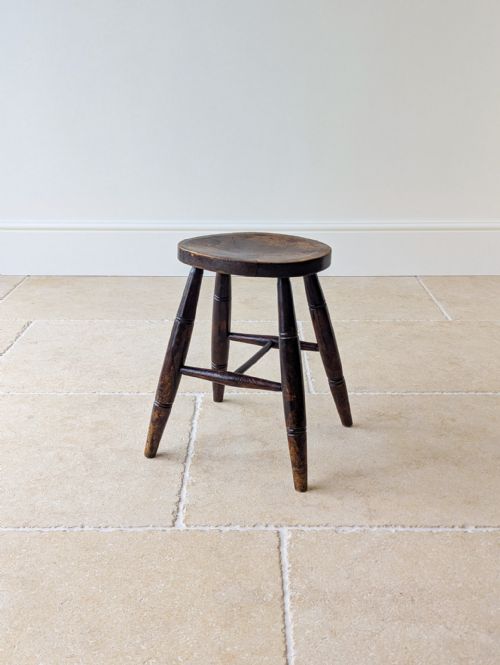
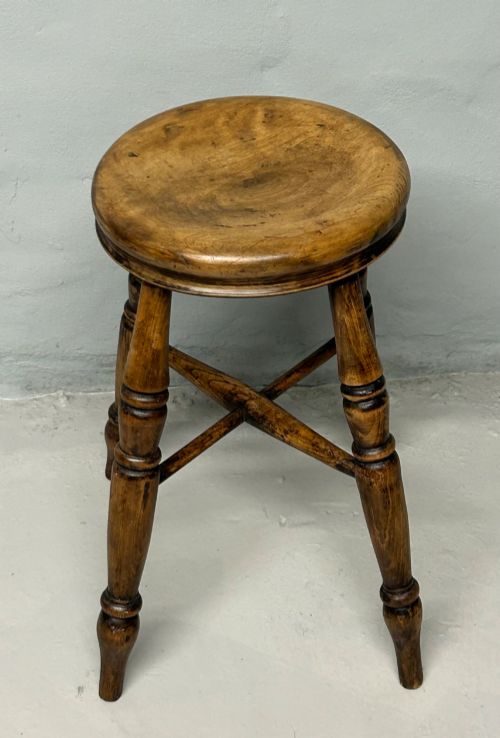
Common structural formats include oval seats, rectangular frames, and small occasional benches designed for domestic comfort or fireside use. These objects bridge the gap between utilitarian seating and decorative interior accessories.
Materials and construction
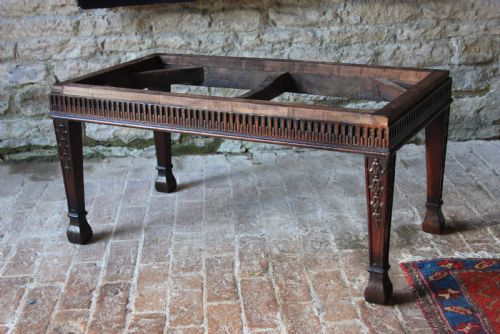
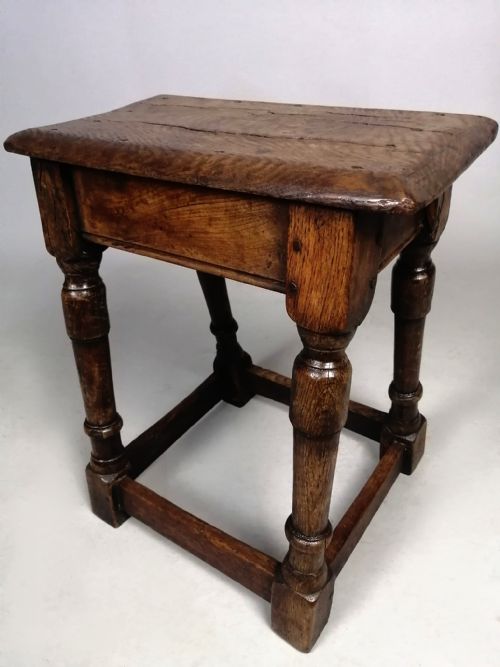
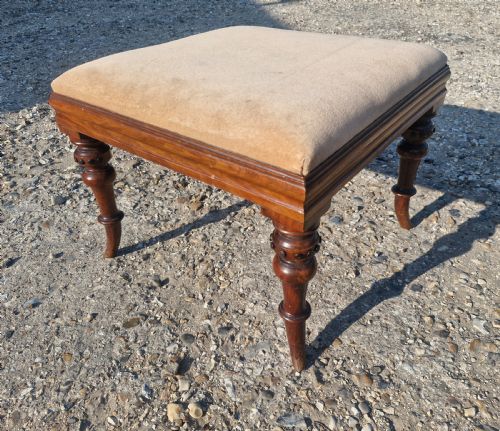
Makers utilised native hardwoods such as oak, elm, walnut, and mahogany, often shaping seats from solid planks and turning supporting legs on a lathe. Joinery methods like mortise and tenon construction ensure stability in joint stools and vernacular seating.
Softwoods like pine appear frequently in painted provincial pieces and window seats, carrying layers of historic pigment. Upholstered variants employ traditional stuffing beneath heavy linen, buttoned textiles, or newly applied fabrics.
Listings span periods from the 17th century through the Victorian era and into the 1930s, utilising oak, mahogany, elm, walnut, and pine.
Assessing quality and preservation
The degree of original surface preservation separates standard vernacular items from superior survivals, particularly where old paint, rich patina, or untouched polish remains intact. Structural integrity in the frame and legs dictates historical value.
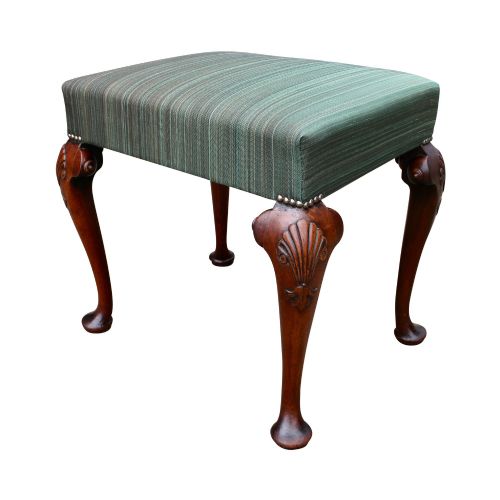
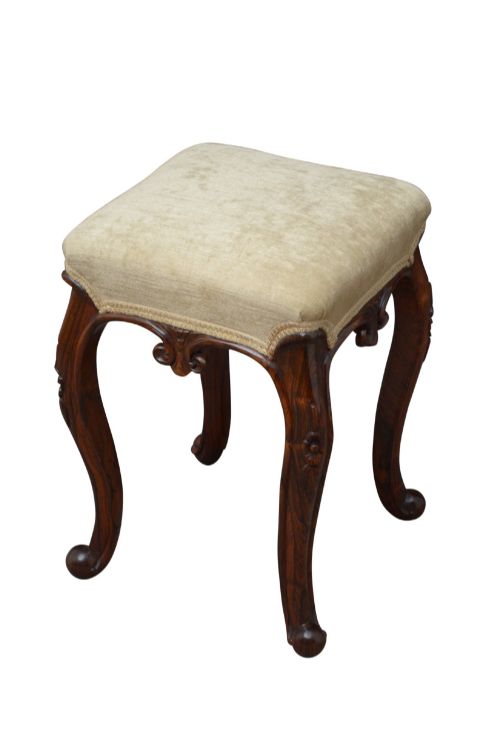
Proportion and carving detail distinguish provincial cottage pieces from sophisticated urban cabinetwork, such as those executed in walnut or mahogany with cabriole legs.
The Wooden Leg Footstool Glossary
- Joint stool
- A low wooden seat constructed with pegged mortise and tenon joints rather than turned legs alone. These sturdy pieces date primarily from the seventeenth and eighteenth centuries.
- Milking stool
- A small three-legged or four-legged seat used traditionally for agricultural labour. They often display simple rustic carpentry and retained historic paint finishes.
- Cabriole leg
- A furniture leg that curves outward and then tapers inward, mimicking an animal's leg. This form became popular during the eighteenth century and later revival periods.
- Gout stool
- An adjustable resting stool designed to elevate and support sore limbs. Nineteenth-century examples often incorporate mechanical tilting mechanisms.
- Vernacular furniture
- Items made by local artisans for everyday regional use rather than high-style urban workshops. These pieces rely on available local timbers like elm, pine, and oak.
Wooden Leg Footstool: Frequently Asked Questions
How were these stools used historically?
These low seats served multiple domestic functions near the hearth, beside dressing tables, or as auxiliary resting places for feet. Milking stools found application in farm work, while joint stools doubled as small tables.
Heavier upholstered versions provided comfort in formal reception rooms and bedrooms, adapting to the posture requirements of different historical eras.
How do I care for antique wooden stools?
Maintain timber surfaces by applying appropriate wax polish sparingly to nourish old oak, walnut, or mahogany. Keep furniture away from direct heat sources and dramatic humidity fluctuations to prevent wood splitting.
Upholstered sections benefit from gentle surface cleaning depending on whether the fabric is historic linen or modern replacement material.
How do I distinguish regional styles?
English provincial pieces often show robust oak and elm construction with turned or splayed legs typical of country workshops. Eastern European and Scandinavian examples frequently exhibit bright original paintwork on softer pine or birch structures.
French and Irish variations display distinct carving motifs and wood selections, such as native walnut or imported rosewood.
Are these pieces suitable for daily use?
Solid timber construction and sturdy joinery allow most historical stools to withstand regular sitting or foot resting. Buyers should check the stability of leg joints and frame alignment before heavy use.
Delicate carved or painted surfaces require more careful placement to preserve historic finishes and patination.