

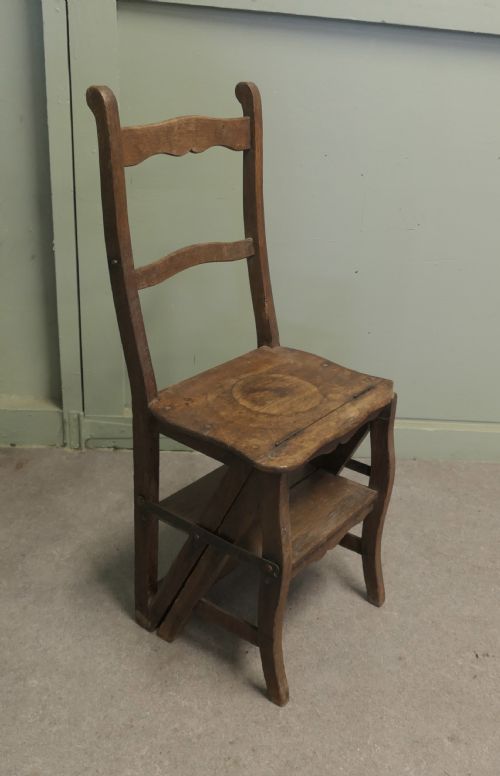


Wooden Ladder Stool
A wooden ladder stool offers clever dual-purpose utility, serving as a sturdy climbing aid and a seat when folded.
Wooden Ladder Stool
When you search for a wooden ladder stool, you encounter practical metamorphic items designed for reaching high shelves or sitting. These pieces span from the eighteenth century through the Victorian era and into the early twentieth century.
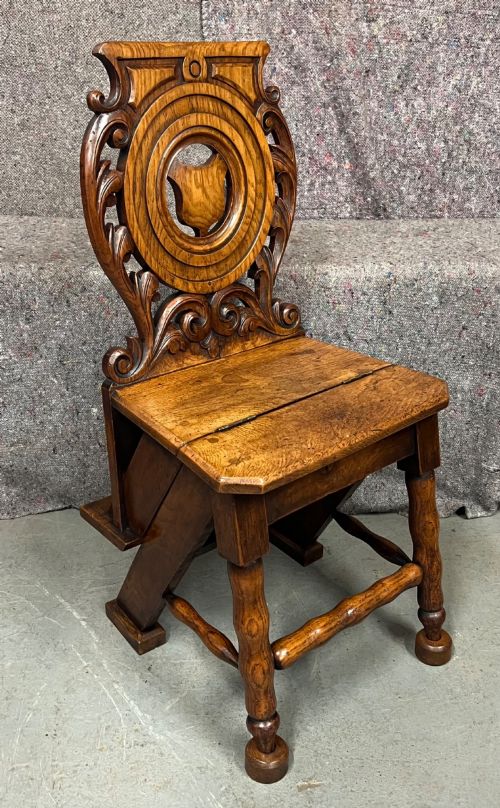
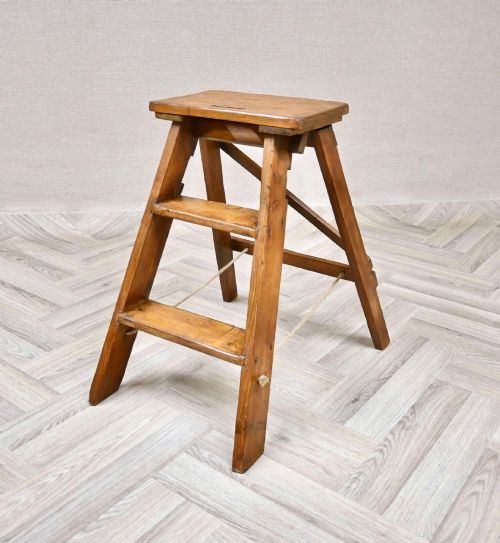
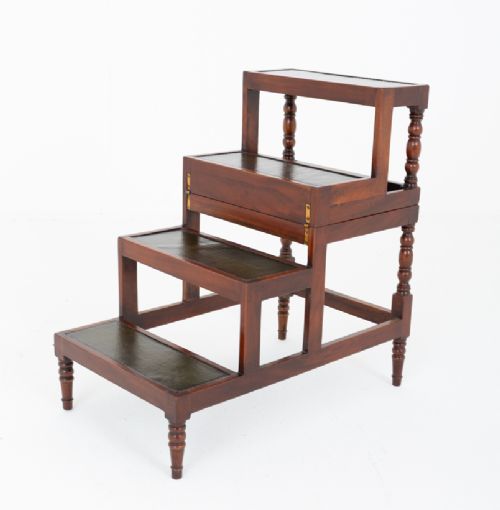
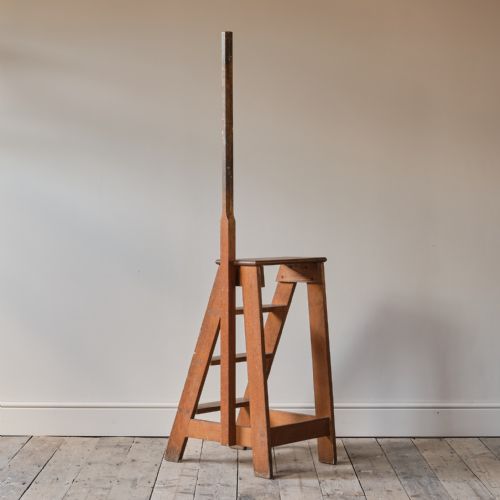
The most common forms on this page include library steps, folding pine steps, and metamorphic armchairs that transform into flights of stairs. You also find specialised items like railway steps and rustic kitchen steps.
Origins range from Georgian mahogany library designs to French country pine pieces and Gothic Revival oak structures. Each object reflects a period when functional furniture needed to save space and serve multiple domestic or institutional roles.
Materials and construction methods
Carpenters utilised dense timbers like mahogany, oak, pine, and fruitwood to ensure structural stability under weight. Joinery methods included sturdy framing and hinges that allowed steps to fold neatly beneath seats or upright supports.
Treads frequently incorporated contrasting materials such as leather inserts for grip, alongside rush seating for chairs that converted into ladders. Metal elements like brass and iron provided secure pivoting joints and structural reinforcement for folding mechanisms.
Wooden Ladder Stool Retail Price Guide 2026
Typical asking prices for wooden ladder stool among the pieces listed under this phrase on Sellingantiques today, from the lower quarter to the upper quarter. They describe what is for sale here now, not the wider market.
Railway companies required specialised folding steps for staff members, proving that even Victorian commuters needed a portable boost.
Distinctions in construction and design
Superior examples demonstrate precise joinery in the pivoting mechanisms and folding actions, ensuring the piece transitions smoothly between a chair or stool and a flight of steps without wobble. The integrity of the underlying timber framework dictates the overall longevity and weight-bearing capacity.
Refinement of detail distinguishes standard utilitarian items from sophisticated pieces. High-quality items feature carefully turned supports, hand-tooled leather treads, and well-figured mahogany or golden oak rather than plain utility pine.
The Wooden Ladder Stool Glossary
- Metamorphic furniture
- Pieces designed to transform from one form of furniture into another, such as a chair turning into a set of steps.
- Library steps
- A flight of small stairs designed to help readers reach high bookshelves in private libraries or institutional rooms.
- Tread
- The horizontal surface of a step upon which a person places their foot when climbing.
- Gothic Revival
- A nineteenth-century style drawing inspiration from medieval architecture, often featuring pointed arches and heavy oak construction.
Wooden Ladder Stool: Frequently Asked Questions
How do metamorphic library steps work?
Metamorphic library steps utilise hinged or pivoting joints that allow the upper treads to fold out or tuck away beneath a seat. This clever mechanism transforms a standard armchair or stool into a secure flight of stairs.
Users simply lift and guide the sections into place, relying on built-in stops to lock the steps securely. The design ensures the piece functions comfortably as seating when not in use for climbing.
What woods were used for these steps?
Cabinetmakers employed durable hardwoods like mahogany and oak for formal library settings, while utilitarian pieces relied on pine or fruitwood. The choice of timber often correlated with the room it was intended to inhabit.
Finer examples utilised rich mahogany or golden oak with polished finishes, whereas country or industrial pieces utilised sturdy pine and painted surfaces.
Are these pieces safe to climb?
Most antique ladder stools and library steps retain their robust structural integrity if constructed from solid hardwoods. However, their primary role today is often decorative, so checking the stability of hinges and joints is sensible.
Historical pieces were built for daily utility in homes and libraries, meaning they were engineered to support adult weight when properly maintained.
How do I identify the period of a step stool?
Dating relies on stylistic clues such as the presence of Georgian mahogany framing, Victorian Gothic Revival motifs, or early twentieth-century industrial forms. Hardware and wood patination also provide clear indications of age.
Examining the joinery and fasteners helps distinguish eighteenth-century craftsmanship from later nineteenth and twentieth-century reproductions or utility items.