




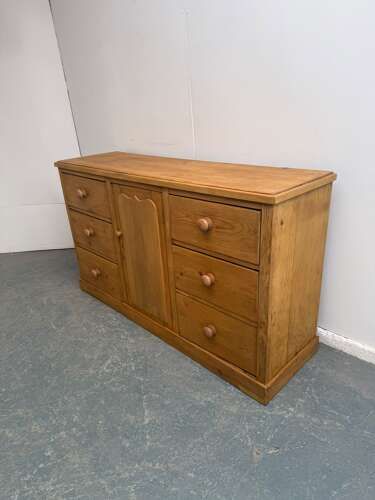
Wooden Kitchen Furniture
These wooden kitchen furniture pieces bring solid pine, oak, elm and painted surfaces into domestic spaces for daily utility and simple dining.
Wooden Kitchen Furniture
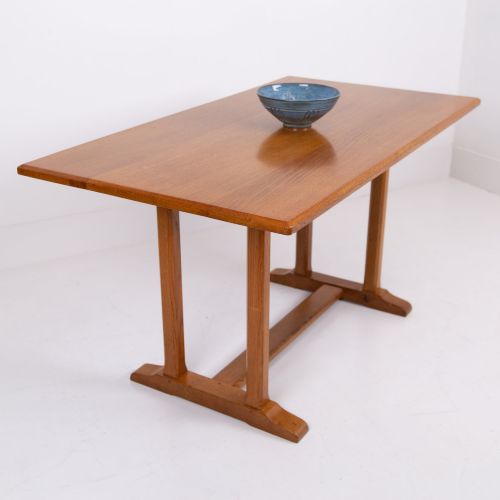
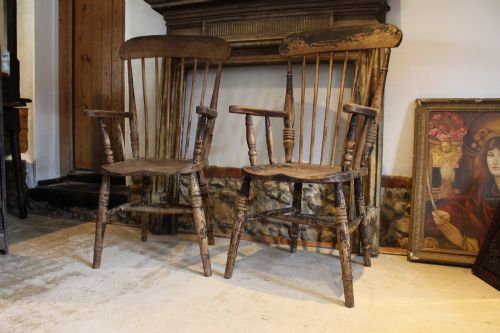
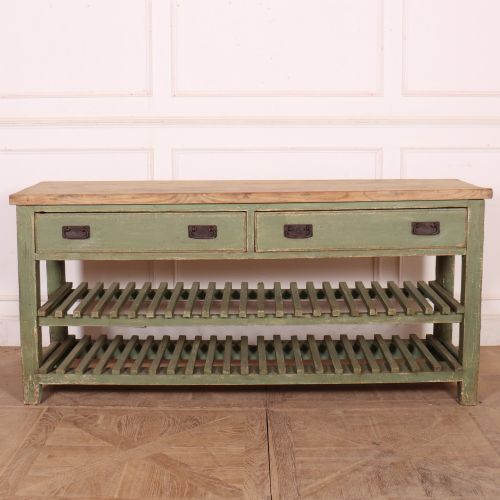
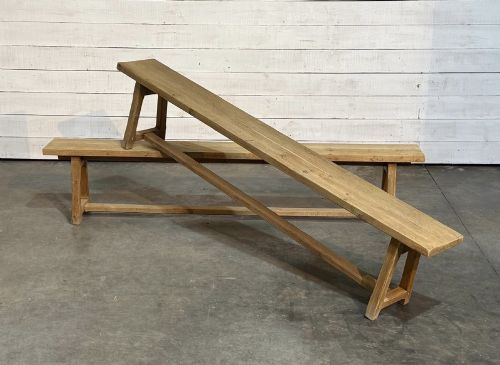
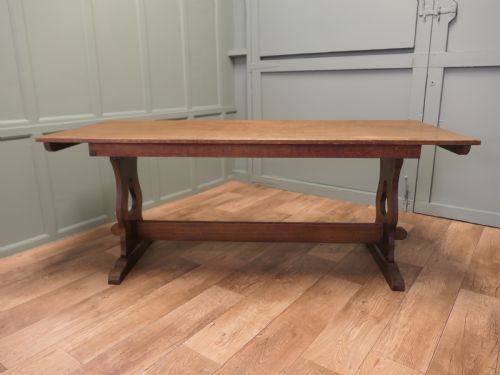
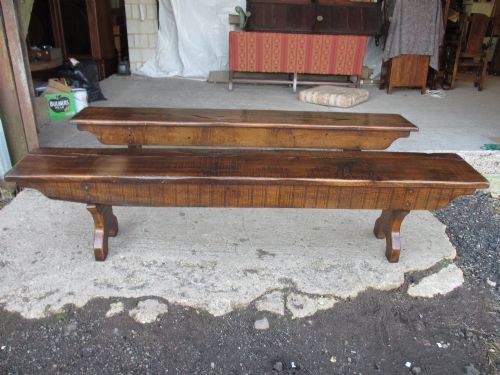
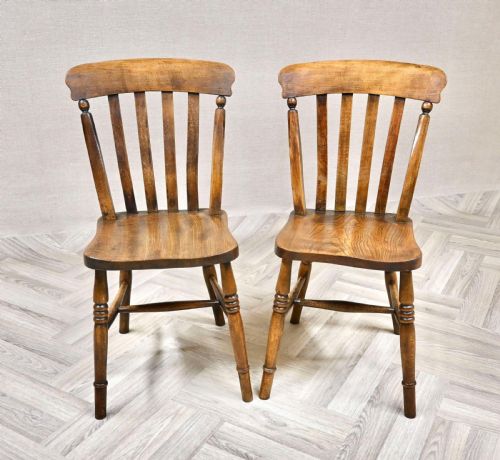
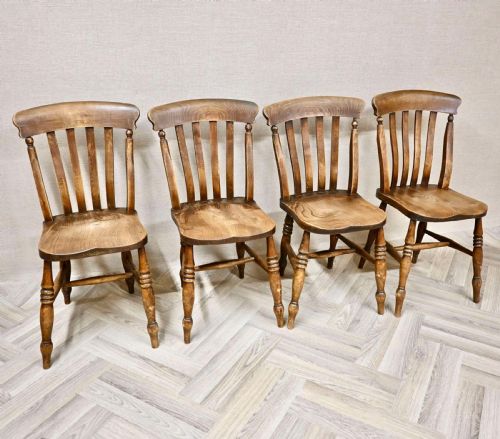
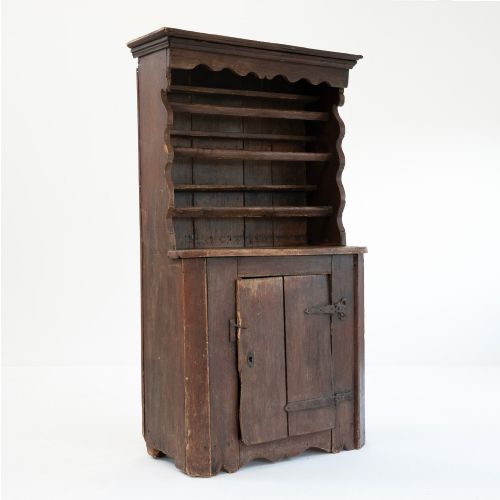
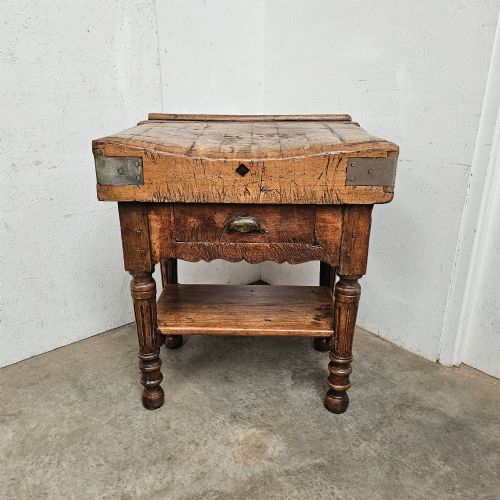
Wooden kitchen furniture encompasses hardworking domestic pieces such as refectory dining tables, Windsor armchairs, potboard dresser bases, lath-back chairs, and benches originating across English, French, Swedish, and Scottish regional traditions. These forms date from the seventeenth century through to the mid-twentieth century, capturing centuries of practical domestic design.
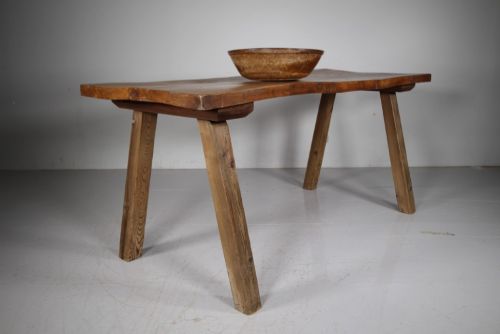
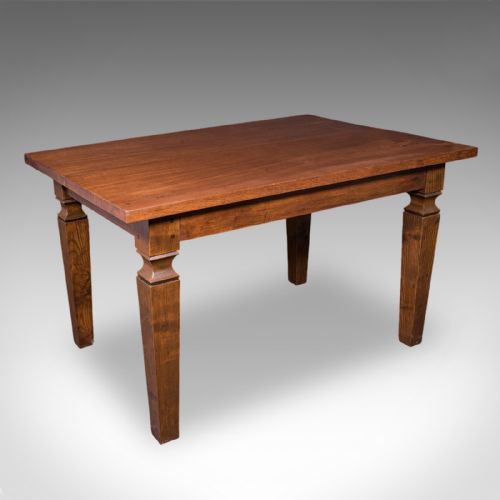
Buyers encountering this selection most frequently meet nineteenth-century pine and oak dresser bases, elm and beech Windsor chairs, and sturdy trestle or refectory dining tables. These items reflect traditional rural life, utilising regional timbers for everyday utility in farmhouses, cottages, and provincial kitchens.
Materials and construction methods
Makers constructed these pieces using solid timbers such as native oak, pine, elm, beech, and cherrywood, often combining woods within a single item like a beech-spindled and elm-seated Windsor chair. Surfaces were frequently left bare, waxed, or treated with traditional coatings such as Falu paint.
Joinery techniques relied on sturdy construction methods appropriate for heavy domestic use, including pegged mortise and tenon joints in tables and cupboards, and turned spindles or steam-bent elements in seating.
Wooden Kitchen Furniture Retail Price Guide 2026
Typical asking prices for wooden kitchen furniture among the pieces listed under this phrase on Sellingantiques today, from the lower quarter to the upper quarter. They describe what is for sale here now, not the wider market.
Periods represented span from the 17th century through the Georgian, Victorian, and Edwardian eras, up to mid-20th-century utility pieces.
Distinctions in construction and material integrity
Quality varies according to the integrity of the original timber and the survival of surface patination, with pieces retaining unstripped, original paint or deep waxed surfaces standing apart from stripped or overly restored examples.
Structural honesty and the use of substantial single-plank tabletops or solid timber frames distinguish superior regional pieces from lesser or later assembled iterations.
Rushworth's·Sir Robert Stoddart Lorimer
The Wooden Kitchen Furniture Glossary
- Potboard dresser base
- A sideboard or lower kitchen unit featuring an open lower shelf, known as a potboard, used for storing heavy pots and pans.
- Windsor chair
- A wooden seating form characterised by a solid sculpted wooden seat into which the legs and back spindles are directly inserted.
- Refectory table
- A long, narrow dining table traditionally built for communal dining, constructed with sturdy legs and often a central stretcher.
- Lath back
- A chair back design incorporating vertical wooden slats or laths secured between a top bow and the seat.
- Falu paint
- A traditional deep red or reddish-brown paint derived from copper mine waste, commonly used on Swedish wooden furniture and buildings.
Wooden Kitchen Furniture: Frequently Asked Questions
How do I identify a genuine period farmhouse table?
Examine the underside and joints for hand-cut pegging, tool marks, and timber shrinkage that match the expected age of the piece. Look for single-plank tops and signs of authentic wear from generational use.
Check that the timber species matches the regional origin stated, as traditional makers utilised local woods available in their immediate geographic area.
Are painted finishes on these pieces original?
Original painted surfaces often show crackling, wear patterns, and multiple underlying layers that reveal age beneath the top coat. Examining the edges and protected areas helps determine whether paint was applied during the period of manufacture.
Modern repainting typically sits uniformly across hardware and wear points, lacking the characteristic patina accumulated over decades of kitchen use.
How should I care for antique wooden kitchen surfaces?
Maintain waxed pine and oak surfaces by applying natural beeswax periodically to nourish the dry timber and protect against moisture. Avoid using harsh chemical cleaners that strip the historic finish.
Keep wooden furniture away from direct heat sources and sudden temperature shifts to prevent timber splitting and joint movement.
What is the difference between a dresser base and a full dresser?
A dresser base consists solely of the lower sideboard or cabinet section, often featuring drawers and cupboards or an open potboard shelf beneath. These served as primary work surfaces and storage in historical kitchens.
A full dresser includes an upper plate rack or shelving superstructure mounted to the base for displaying ceramic plates and kitchenware.