





Wooden Kitchen Dresser Base
A wooden kitchen dresser base provides sturdy domestic storage, bringing practical utility and traditional character to a room.
Wooden Kitchen Dresser Base
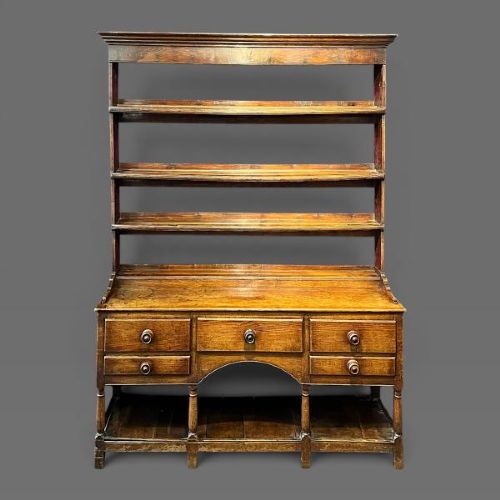
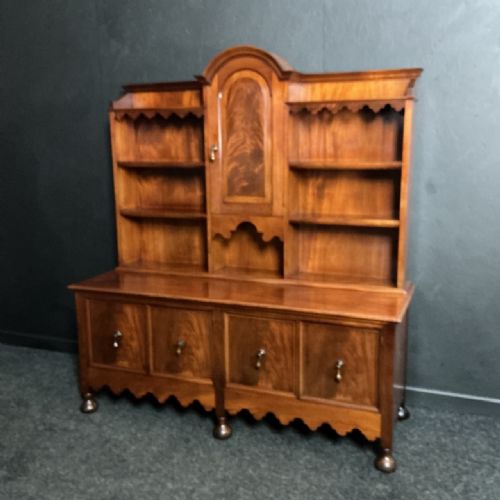
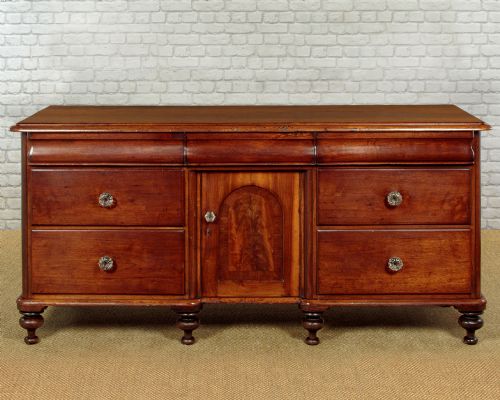
A wooden kitchen dresser base forms the lower half of a traditional storage unit, functioning as a standalone sideboard or cabinet for everyday culinary use. These items appear primarily in regional English, Welsh and Scottish forms, constructed to anchor a working kitchen or dining space.
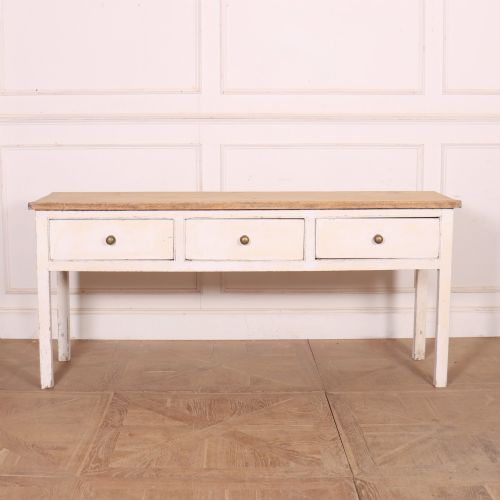
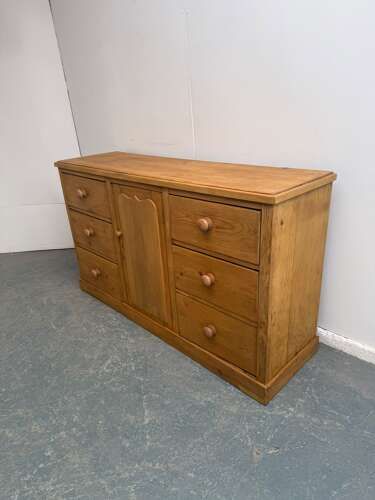
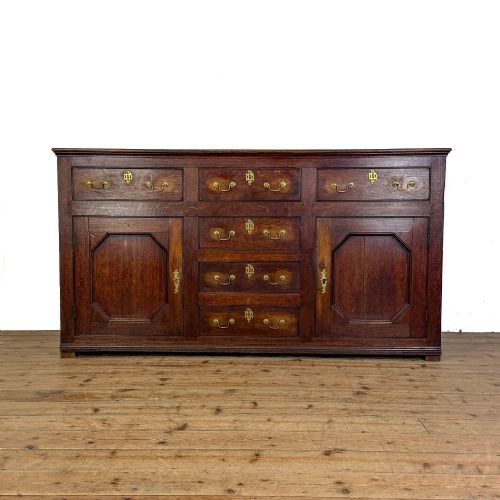
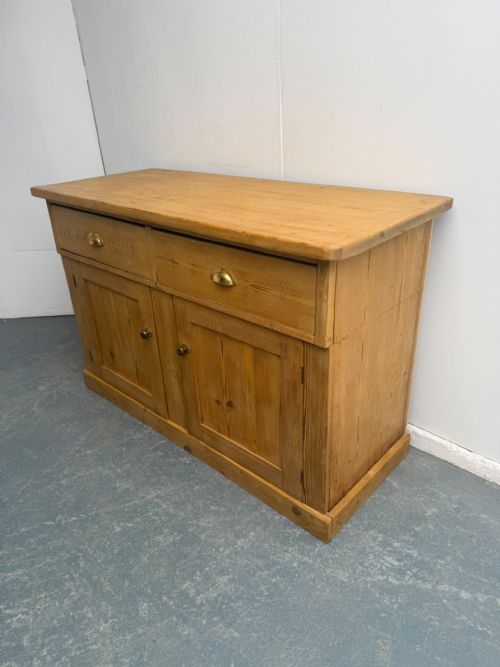
The selection here draws heavily from the nineteenth century and the Victorian era, alongside significant examples from the eighteenth century in Georgian and George III styles. Buyers frequently encounter pine and oak pieces, finished either in waxed natural wood or retained in original paint.
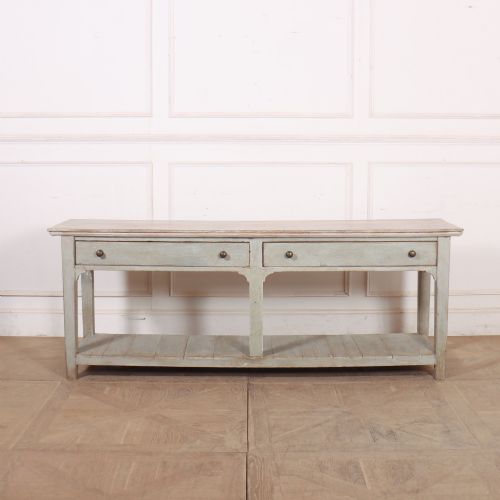
Forms range from simple multi-drawer layouts to potboard designs and cupboard combinations, reflecting vernacular domestic requirements across different British regions.
What varies in quality
Construction methods and timber selection set examples apart, with older eighteenth-century pieces often displaying denser grain and heavier timber scantlings than later nineteenth-century equivalents. The integrity of the frame, the smooth operation of drawers and the preservation of original paint finishes dictate the standing of a given piece.
Proportion and regional carpentry traits also influence character, where restrained country craftsmanship differs from more formal stylistic influences seen in Georgian or Victorian iterations.
Wooden Kitchen Dresser Base Retail Price Guide 2026
Typical asking prices for wooden kitchen dresser base among the pieces listed under this phrase on Sellingantiques today, from the lower quarter to the upper quarter. They describe what is for sale here now, not the wider market.
Some nineteenth-century kitchen workers likely splashed hot tea on these boards before paint became fashionable.
The Wooden Kitchen Dresser Base Glossary
- Potboard
- An open slatted lower shelf incorporated into the base of a dresser, historically used for storing heavy pots and pans.
- Dresser base
- The lower section of a kitchen dresser, functioning independently as a sideboard or low cabinet with drawers and cupboards.
- George III
- A British stylistic period spanning the mid to late eighteenth century, known for balanced proportions and quality cabinet making.
- Chiffonier
- A compact sideboard or low cabinet featuring a combination of drawers and enclosed lower shelving, common in the nineteenth century.
Wooden Kitchen Dresser Base: Frequently Asked Questions
How were wooden kitchen dresser bases used?
These units served as central work surfaces and storage hubs in domestic kitchens, holding crockery, utensils, and provisions.
The lower cupboards and drawers kept everyday culinary items organised while the top surface accommodated food preparation.
Where do most dresser bases originate?
The pieces originate primarily from English, Welsh, and Scottish workshops, reflecting distinct regional building traditions.
Local timber choices and vernacular design preferences shaped the specific proportions and layout of each piece.
What is the difference between pine and oak bases?
Oak examples tend to originate from earlier centuries, offering dense grain and robust framing suited to formal and country settings alike.
Pine versions appear frequently in Victorian and later contexts, often finished with wax or historical paint layers.
How do you maintain a waxed wooden surface?
Regular application of a traditional beeswax polish preserves the moisture and sheen of the timber without building up heavy chemical residues.
Keep these units away from direct heat sources and excessive moisture to protect the structural integrity of the wood.