

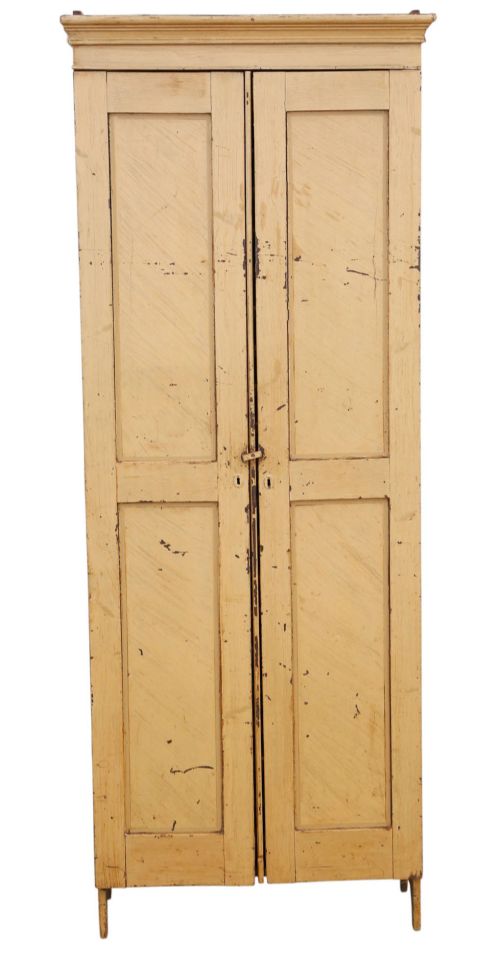
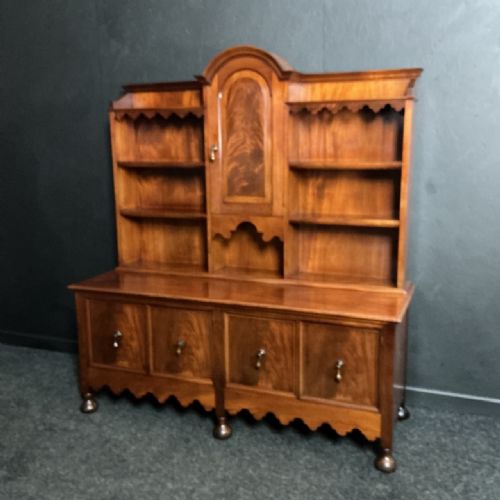

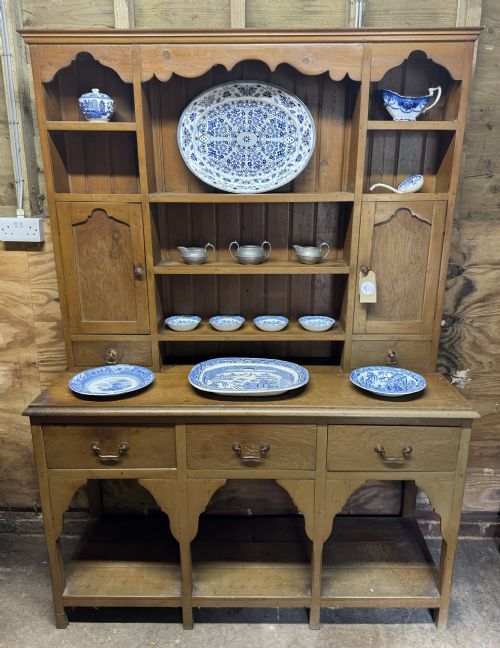
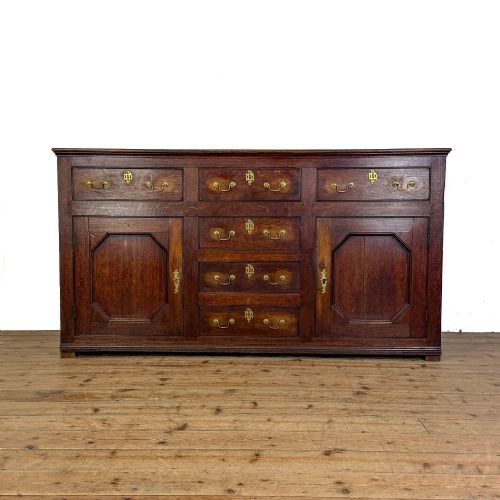
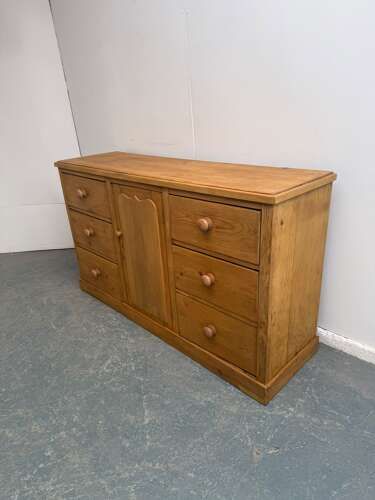
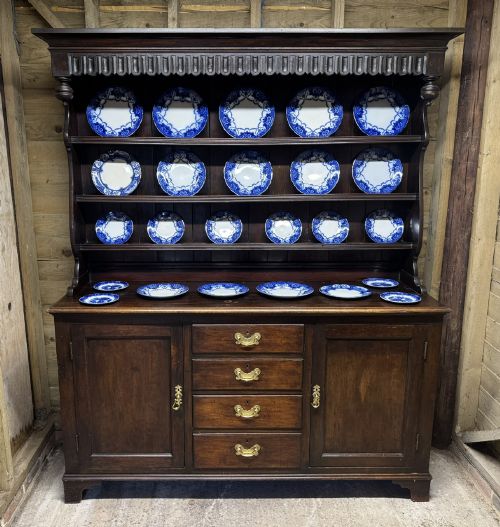
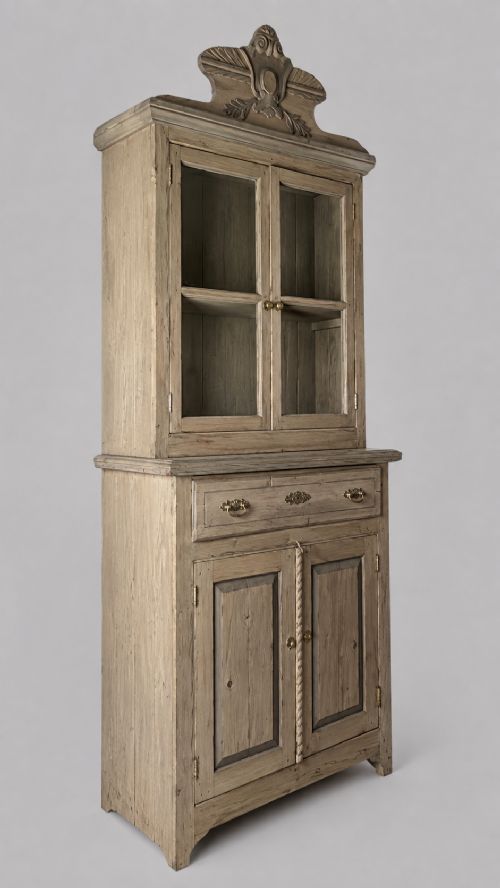
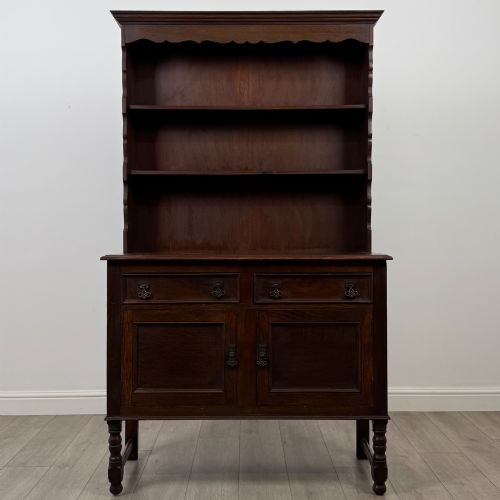

Wooden Kitchen Cabinet
A wooden kitchen cabinet brings sturdy utility and centuries of domestic character to a room.
Wooden Kitchen Cabinet
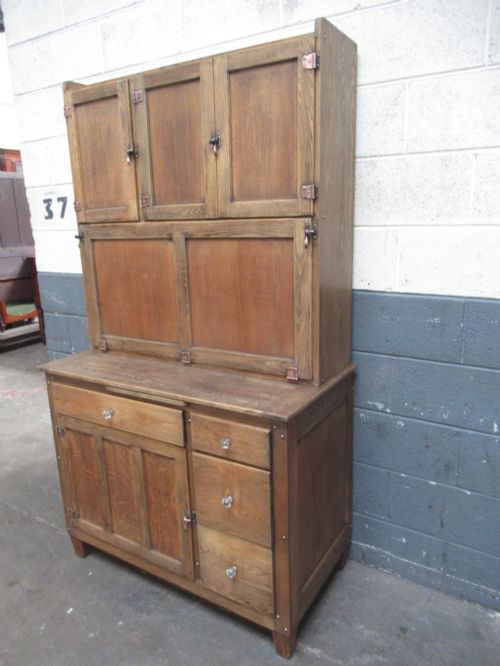
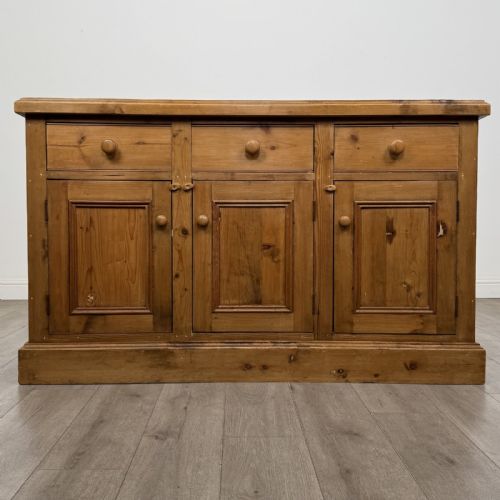
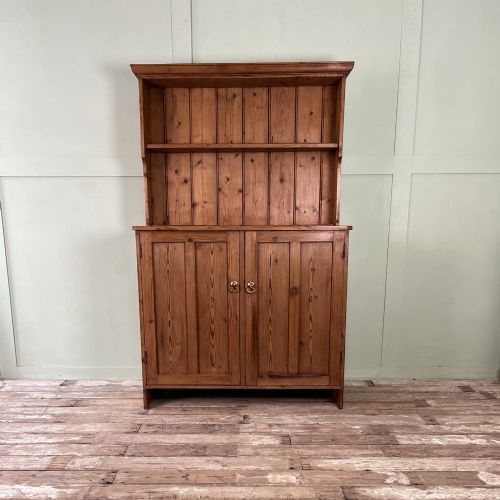
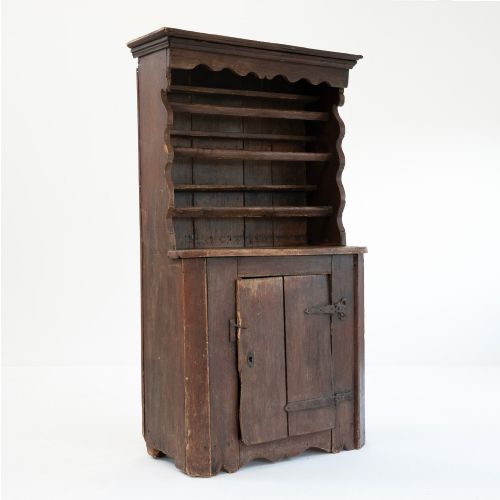
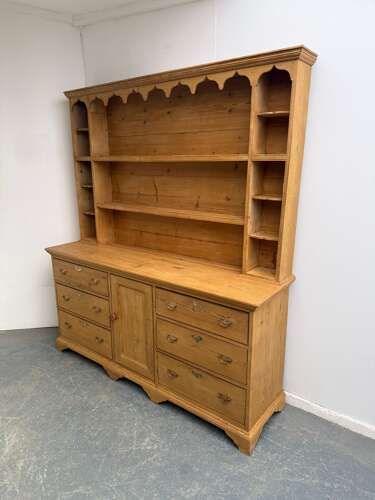
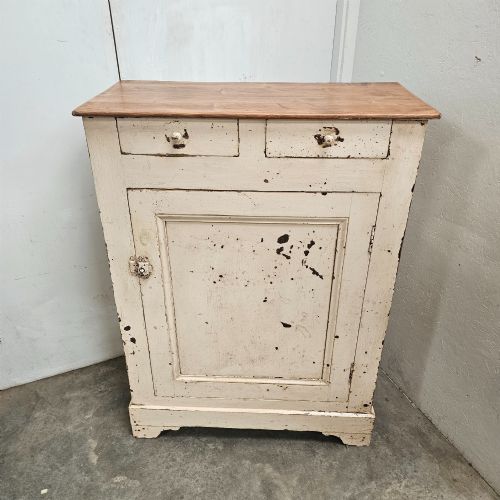
When you search for a wooden kitchen cabinet, you meet pieces designed for storage and food preparation across generations. These items range from large dressers with plate racks to smaller spice cupboards, larder units, and low sideboards.
The versions most common on this page hail from the eighteenth and nineteenth centuries, spanning Georgian, Victorian, and Edwardian eras. Regional styles include English, Welsh, French Provincial, and Scandinavian forms.
Makers built these cabinets for hard everyday use in farmhouses, cottages, and country homes. They combine enclosed lower cupboards or drawers with open shelving or upper display spaces.
How they were made
Cabinet makers relied predominantly on solid timbers such as oak, pine, fruitwood, chestnut, and mahogany. Carpenters joined these woods using traditional pegged mortise and tenon joints to withstand heavy domestic demands.
Surfaces often show original paint, wax finishes, or accumulated patinas developed through decades of kitchen work. Iron and brass hinges, handles, and latches complete the construction.
Glazed doors appear on upper cabinets for display, while solid timber panels protect contents in busy pantries and larders.
Wooden Kitchen Cabinet Retail Price Guide 2026
Typical asking prices for wooden kitchen cabinet among the pieces listed under this phrase on Sellingantiques today, from the lower quarter to the upper quarter. They describe what is for sale here now, not the wider market.
Listings feature oak, pine, and walnut timbers alongside painted finishes from the eighteenth and nineteenth centuries.
What varies in quality
Quality rests on the integrity of the timber and the retention of original surfaces, such as early paint or undisturbed wax patinas. Pieces retaining their original brass or iron hardware and unaltered plate racks command greater interest.
Proportion and regional vernacular detailing also set examples apart. Cleanly executed mouldings, well-fitted drawers, and sturdy structural frames reflect superior joinery from the workshop.
The Wooden Kitchen Cabinet Glossary
- Welsh Dresser
- A traditional kitchen cabinet featuring lower cupboards and drawers topped by open shelves for displaying plates.
- Confiturier
- A small French storage cupboard originally used for preserving food or confit, typically standing on short legs with a single door.
- Patina
- The surface sheen and softening of wood or paint earned through age, use, and waxing over many decades.
- Spice Cupboard
- A miniature wall-hanging or table cabinet fitted with tiny internal drawers for storing herbs and spices.
- Panetiere
- A traditional freestanding wooden cabinet with spindle or pierced sides designed for storing and airing bread loaves.
Wooden Kitchen Cabinet: Frequently Asked Questions
How were these cabinets used?
These pieces served as the central storage hubs for household provisions, tableware, and utensils before fitted kitchens existed. Families stored dried goods in the lower cupboards and displayed everyday ceramic plates on the upper racks.
Smaller cabinets held precious spices, bread, or preserves away from pests. They stood in kitchens, sculleries, and dining rooms where food preparation took place.
How do I live with one?
Integrate a wooden kitchen cabinet into modern spaces by using the open shelves for everyday crockery or glassware. The enclosed lower sections hide modern kitchen clutter while adding rich texture to the room.
Keep solid wood surfaces nourished with traditional wax rather than modern silicon sprays. Position them away from direct heat sources to prevent timber movement.
How do I tell periods apart?
Eighteenth-century examples often display simpler hand-planed timbers, pegged joints, and heavier Georgian proportions. Nineteenth-century pieces frequently introduce turned legs, glazed display doors, and softer pines.
Edwardian and later variations show lighter woods like mahogany and more decorative hardware styling. Look closely at the tool marks and construction methods inside the drawers for clues.
Are painted finishes original?
Many nineteenth-century cupboards retain their original layers of paint, often showing lovely wear from generations of cleaning. Paint analysis or inspection under natural light reveals whether the surface matches the age of the wood beneath.
Waxed pine surfaces often started life painted before being stripped down by later owners. Original undisturbed paint finishes significantly increase the character of the piece.