


Wooden Glass Box
A wooden glass box brings together timber frames and transparent panels to display, secure, or serve contents with clarity.
Wooden Glass Box
When buyers search for a wooden glass box, they encounter a range of functional vessels spanning the Georgian, Victorian, and Edwardian periods.
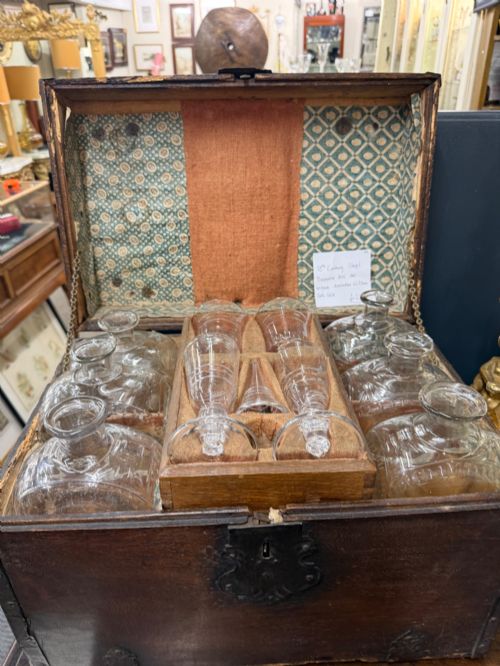
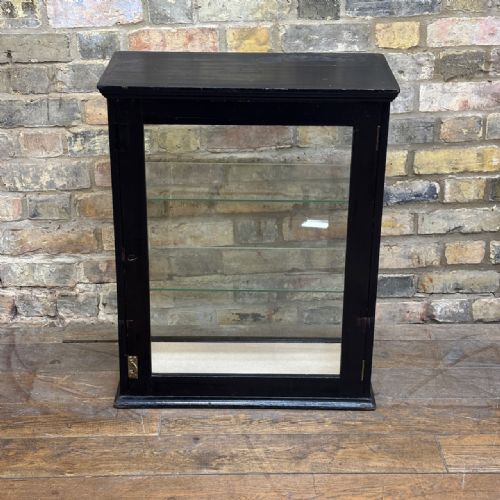
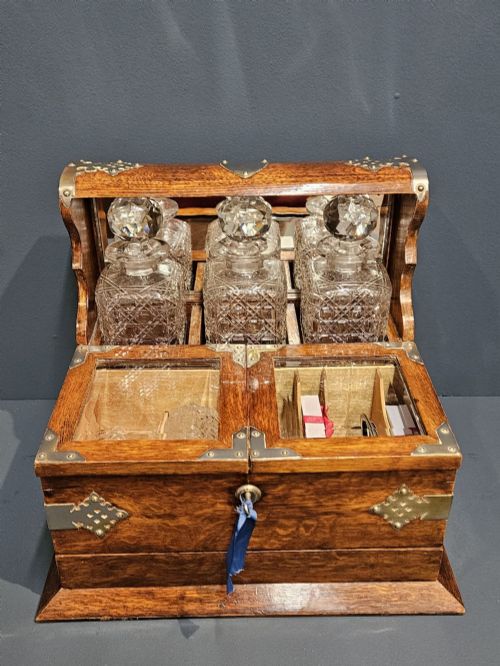
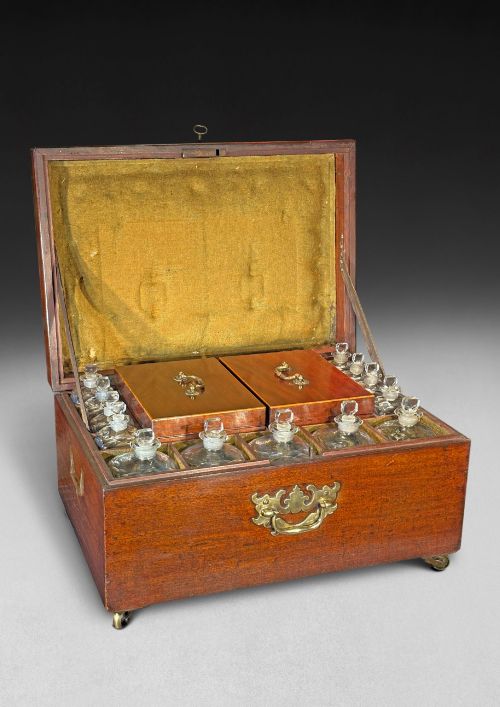
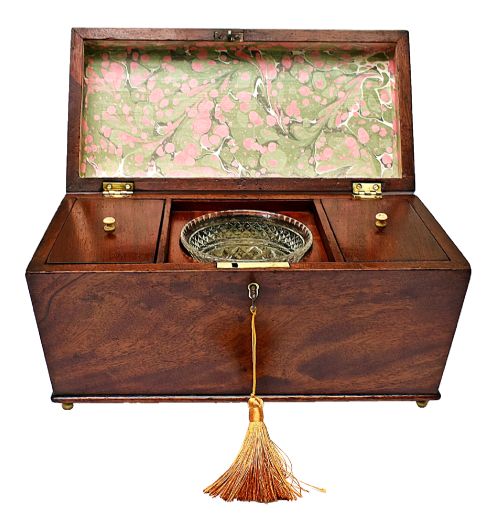
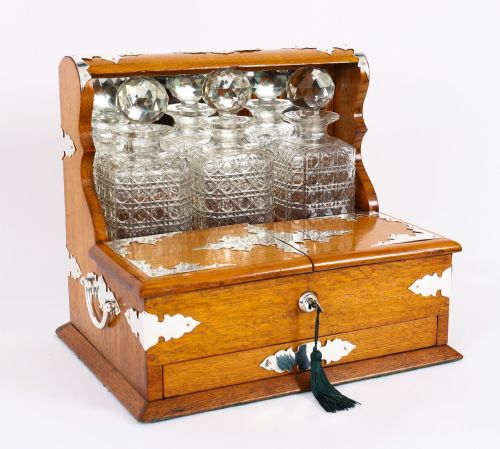
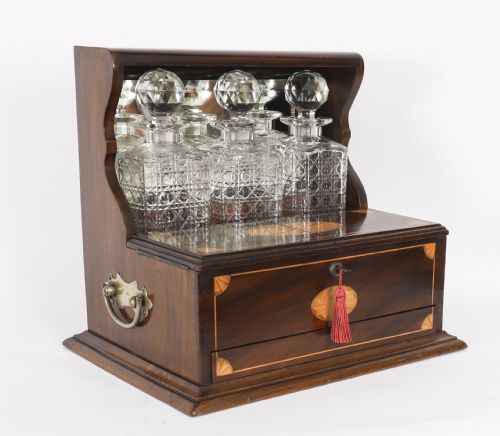
The most common forms on this page include tabletop display cabinets, tantalus sets with cut crystal bottles, tea caddies containing glass mixing bowls, and countertop apothecary cases.
These pieces originate from the eighteenth, nineteenth, and early twentieth centuries, constructed to protect and exhibit valuable contents.
Makers utilised woods such as mahogany, oak, rosewood, and walnut to house glassware, liquids, and collectibles securely.
How they were made
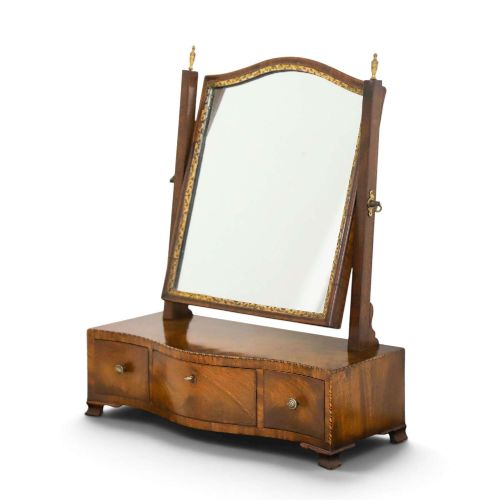
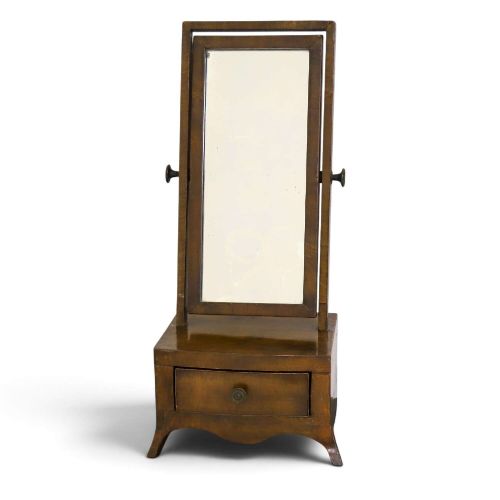
Craftsmen built the structural frames using dense hardwoods like mahogany, oak, walnut, and satinwood, frequently applying decorative veneers or marquetry stringing.
Transparent panels of glass were fitted into doors, lids, and sides to allow visibility into compartments holding cut crystal decanters, apothecary bottles, or display items.
Metal components in brass and silver plating provided locking mechanisms, hinges, and corner mounts, particularly on tantalus sets, games compendiums, and desktop boxes.
Wooden Glass Box Retail Price Guide 2026
Typical asking prices for wooden glass box among the pieces listed under this phrase on Sellingantiques today, from the lower quarter to the upper quarter. They describe what is for sale here now, not the wider market.
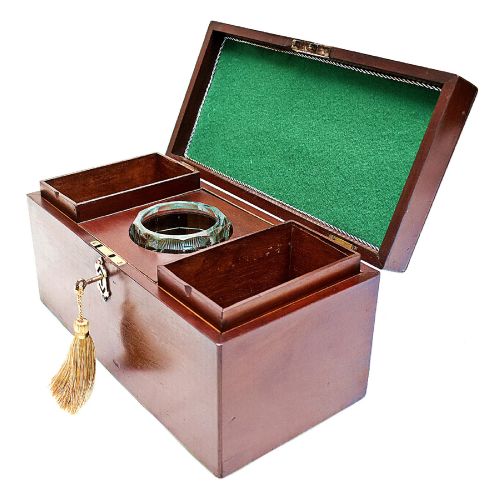
Some nineteenth-century caddies include a tiny glass mixing bowl intended for blending green and black teas before brewing.
What varies in quality
The selection of timber grain defines visual hierarchy, with flame mahogany, burr elm, and figured coromandel marking out superior cabinetwork.
Integration of specialised fittings, such as original cut glass mixing bowls, numbered keys, and fitted compartments for games or decanters, separates standard boxes from elaborate compendiums.
Precision in joinery and the survival of original glass panels and hardware indicate the standard of production across Georgian and Victorian workshops.
The Wooden Glass Box Glossary
- Tantalus
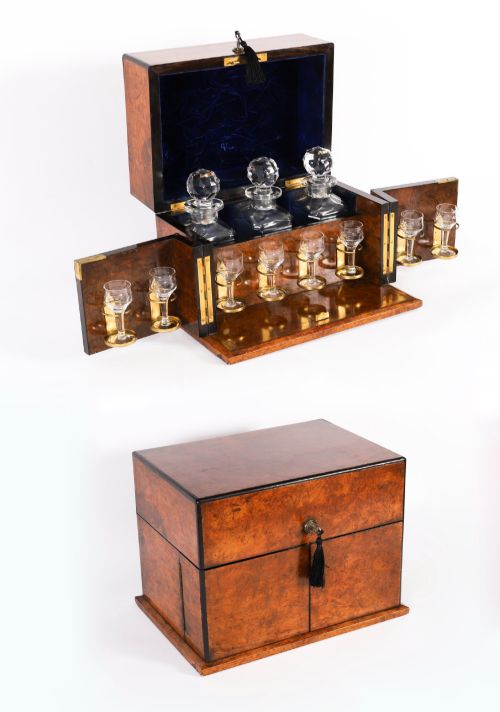
- A locking drink cabinet that secures decanters behind a wooden bar so the contents cannot be removed without a key. The design originated in the Victorian era.
- Tea Caddy
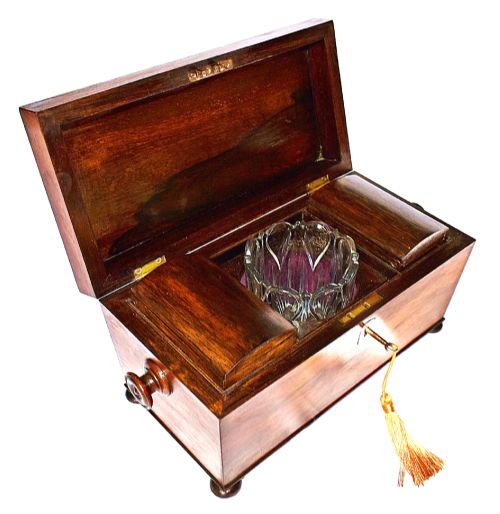
- A box made to store loose tea leaves, often featuring internal wooden lids and a central glass bowl for mixing. Examples range from simple rectangular chests to sarcophagus forms.
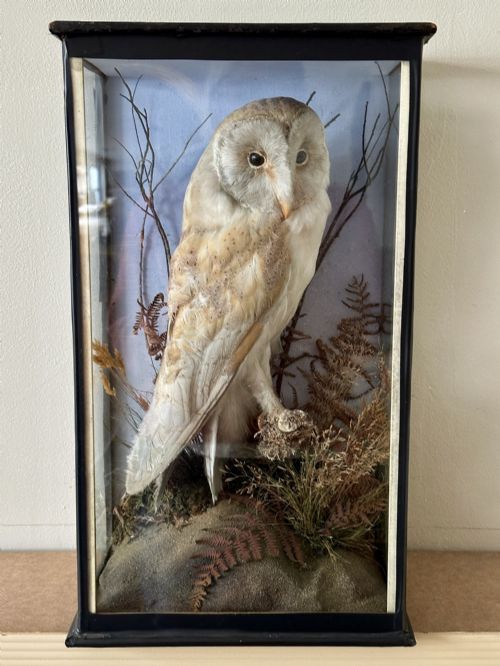
- Diorama
- A three-dimensional scenic representation enclosed within a glazed wooden case. Maritime examples typically depict sailing vessels at sea.
- Apothecary Box
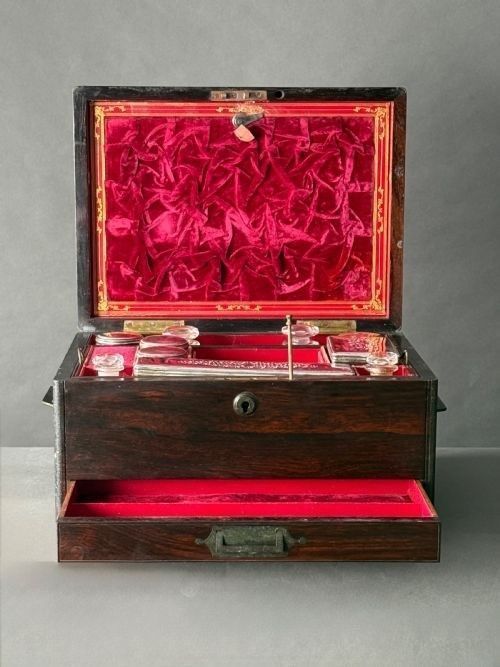
- A compact fitted chest containing small glass bottles, jars, and scales for medicines. Portable campaign versions were made for travel.
- Marquetry
- Decorative woodwork where thin pieces of veneer are fitted together to form geometric or floral patterns on the surface. It appears on finer Victorian cases.
Wooden Glass Box: Frequently Asked Questions
What is a tantalus?
A tantalus is a locking wooden frame that holds decanters of spirits securely in place. The metal bar across the stoppers prevents removal until the lock is opened.
Victorian households utilised these to restrict access to expensive liquors while still displaying the cut crystal bottles to guests.
How do I date a tea caddy?
Dating relies on timber choice, box shape, and internal fittings. Georgian examples often feature straight sides and satinwood stringing, while Regency versions frequently adopt sarcophagus shapes with ring handles.
Internal glass bowls and foil linings provide further clues to the period of manufacture.
Were display cases used in shops?
Many glazed cabinets and countertop cases served a commercial purpose in nineteenth-century stores and pharmacies. Smaller tabletop versions were also kept in domestic drawing rooms to exhibit small collectibles.
The inclusion of rear doors or locking mechanisms indicates how merchants or owners accessed the contents.
What timber was most popular?
Mahogany dominated cabinetmaking through the Georgian and early Victorian periods due to its stability and rich grain. Rosewood, walnut, and oak also appeared frequently, especially for luxury items and games compendiums.
Exotic woods like coromandel and satinwood were reserved for decorative boxes requiring high-status finishes.