
Wooden Garden Seat
A proper wooden garden seat anchors an outdoor space with history, weathering into silvered tones that fit naturally into any landscape.
Wooden Garden Seat
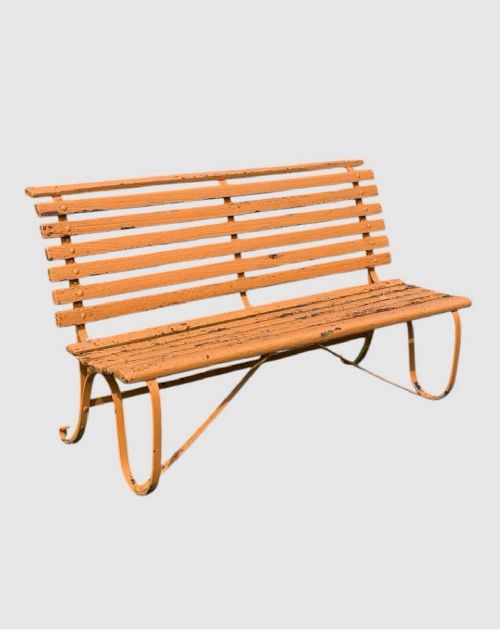
A wooden garden seat combines practical outdoor seating with period design, spanning styles from rustic country to Victorian Gothic. When exploring this selection, a buyer encounters everything from sturdy slatted teak benches to architectural tree seats and railway station forms.
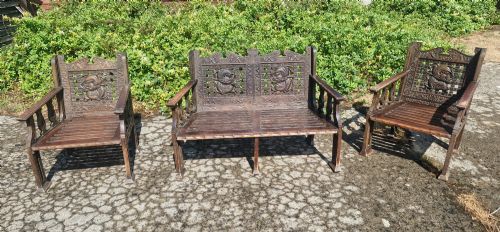
The pieces on this page range from the nineteenth century through the Edwardian era and into the 1930s. Alongside standard benches, the category includes garden armchairs, seating suites, and unusual forms like orangery benches.
Makers and origins vary widely, featuring English country pieces, French faux bois designs, and Anglo-Indian or Chinese imports. The common thread is robust outdoor construction designed to age gracefully in the elements.
How they were made
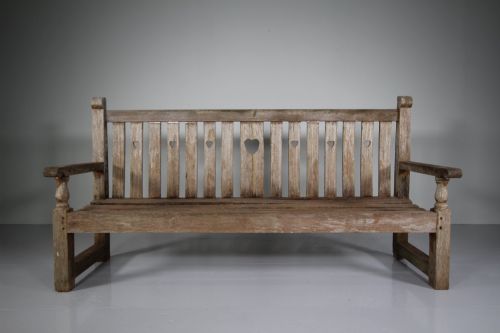
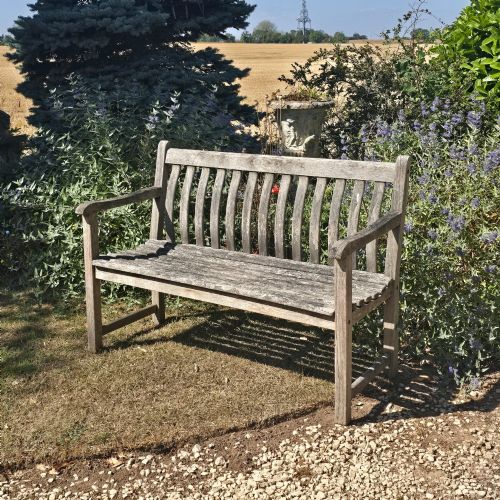
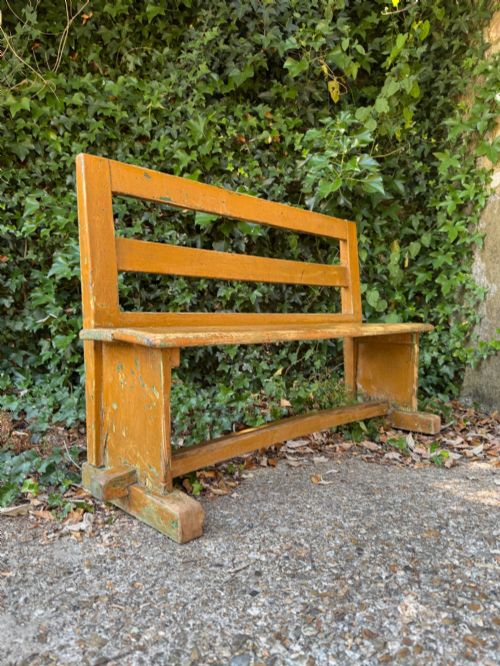
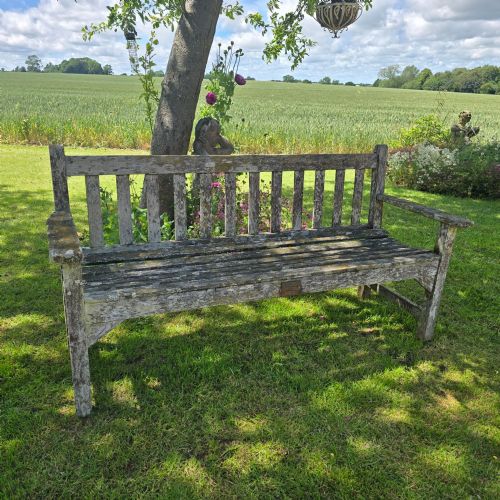
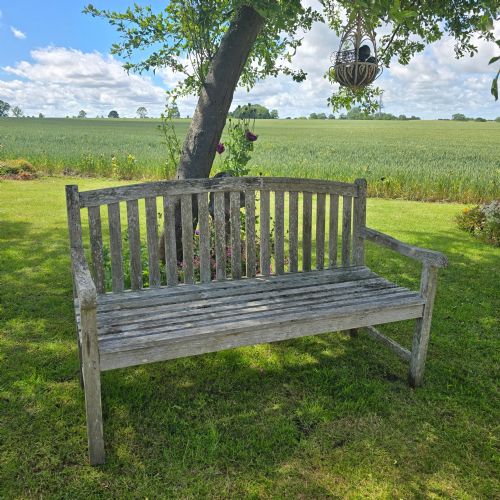
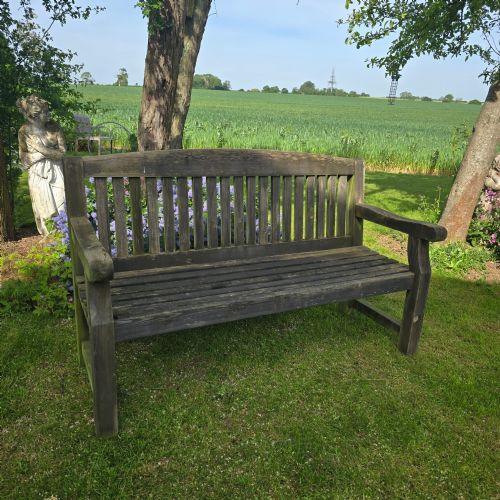
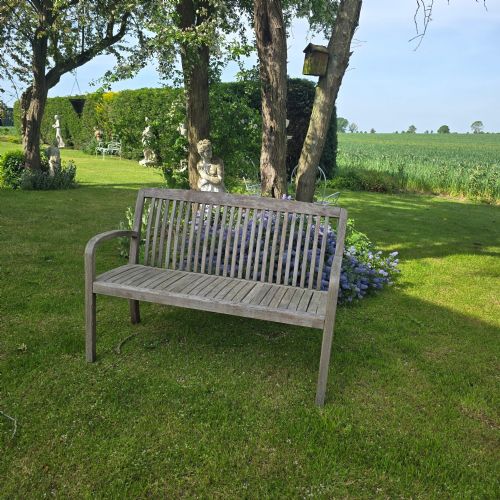
Construction relies heavily on durable timbers like teak, oak, pine, elm, and painted timber chosen for their resilience outdoors. Teak develops a characteristic silvered patina over decades of exposure to the weather.
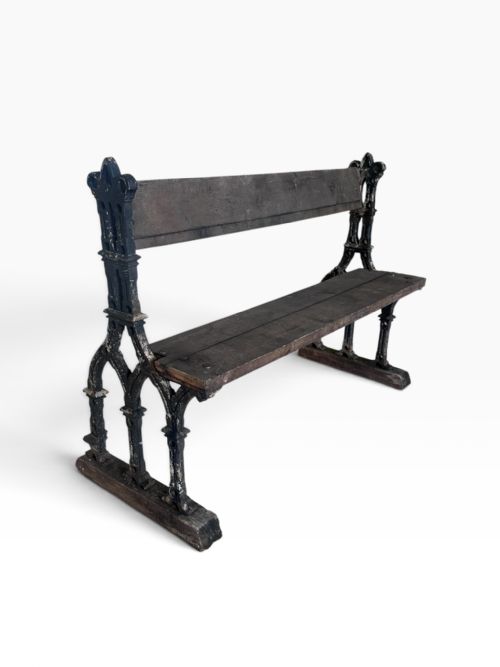
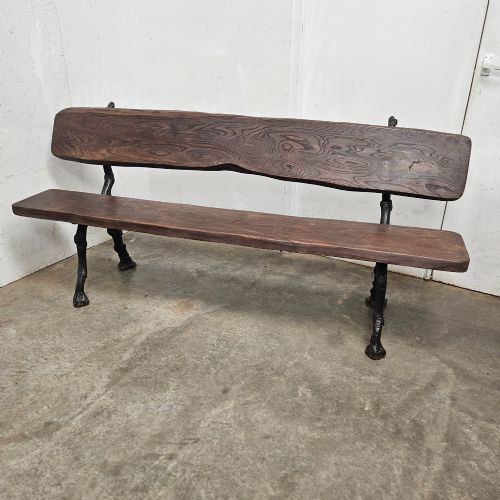
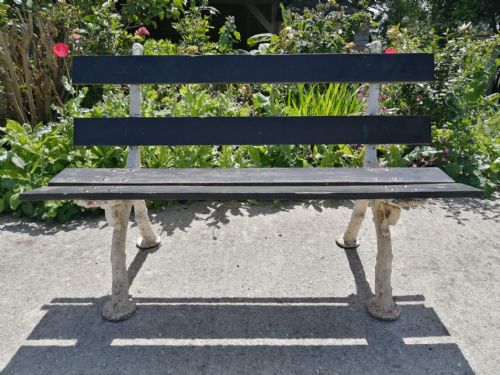
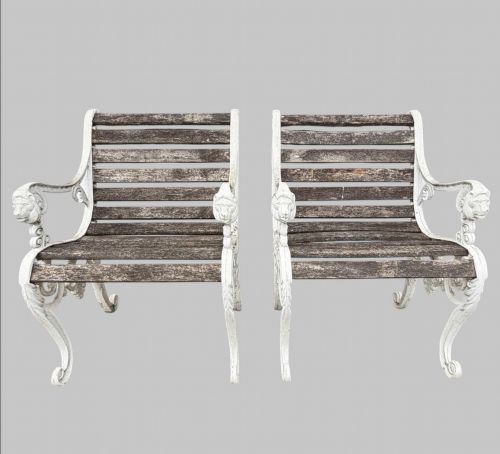
Many examples pair these wooden slats and seats with heavy cast iron frames, incorporating structural elements like lion masks, heart motifs, or gothic tracery. Artisans utilised carving, joinery, and ironfounding to create both utilitarian park seating and decorative conservatory suites.
What varies in quality
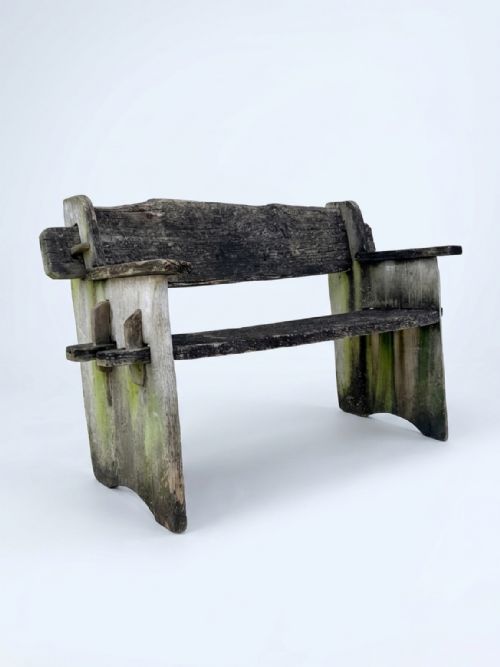
Quality rests in the integrity of the materials and the sophistication of the design rather than uniform standards. A Coalbrookdale cast iron frame or finely carved hongmu demonstrates superior artistry compared to plain utility seating.
The degree of weathering also dictates character, where evenly silvered teak or naturally aged pine holds more aesthetic appeal than poorly maintained surfaces. Original matching pairs and complete suites represent a higher tier of craftsmanship and survival.
Coalbrookdale
The Wooden Garden Seat Glossary
- Faux bois
- Concrete or iron finished to imitate natural wood grain or tree branches. This technique was popular in nineteenth-century garden design for rustic seating.
- Tree seat
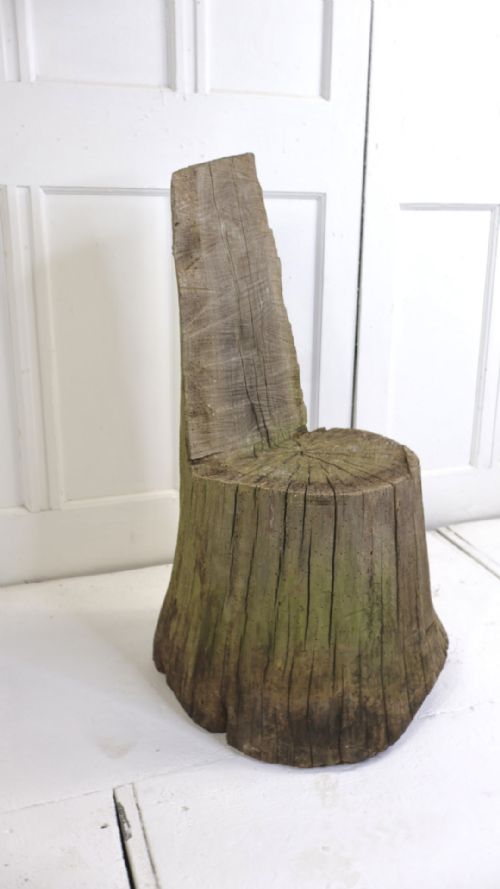
- A circular bench built to encircle the trunk of a mature tree, providing shaded seating. These architectural forms often feature slatted wooden construction.
- Coalbrookdale
- A famous Shropshire ironfoundry known for intricate cast iron bench frames. Their designs often incorporated fern, gothic, or animal motifs.
- Orangery bench
- A long seating form designed for a glazed conservatory or orangery. These pieces frequently utilise finer timbers like oak.
- Weathering
- The natural oxidation and colour change timber undergoes outdoors. Teak turns a distinctive silver grey when exposed to sun and rain.
Wooden Garden Seat: Frequently Asked Questions
How do I care for a vintage wooden garden seat?
Most historic hardwoods like teak require minimal intervention and thrive when left to weather naturally in the open air.
Avoid harsh chemical treatments that strip the aged patina, allowing the timber to retain its protective silvered surface.
Are cast iron and wood benches too heavy to move?
The combination of cast iron frames and dense timber results in a substantial weight that keeps the seating stable on lawns or patios.
Two people are usually required to relocate these benches safely without damaging the joints or surrounding terrain.
Can these garden seats stay outside all winter?
Nineteenth and early twentieth-century outdoor seating was built specifically to withstand year-round exposure to harsh weather conditions.
Ensuring the feet rest on paving stones rather than directly in damp soil helps prevent base rot during colder months.
How do I date an antique garden bench?
Stylistic clues such as Victorian Gothic tracery, Edwardian proportions, or specific foundry marks help narrow down the period of manufacture.
The choice of timber and the depth of the natural weathering also offer reliable indicators of age.