






Wooden Framed Stool
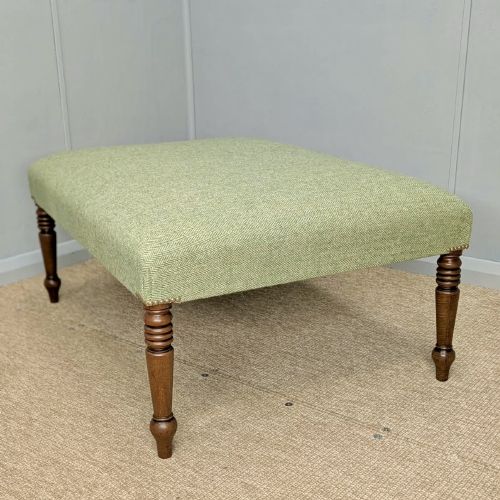
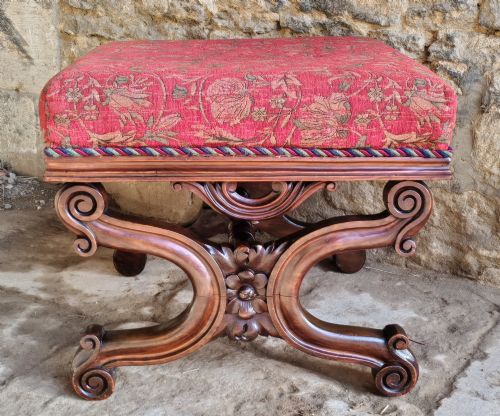
These wooden framed stool examples combine solid timber construction with period textiles, offering both practical seating and traditional decorative character.
Wooden Framed Stool
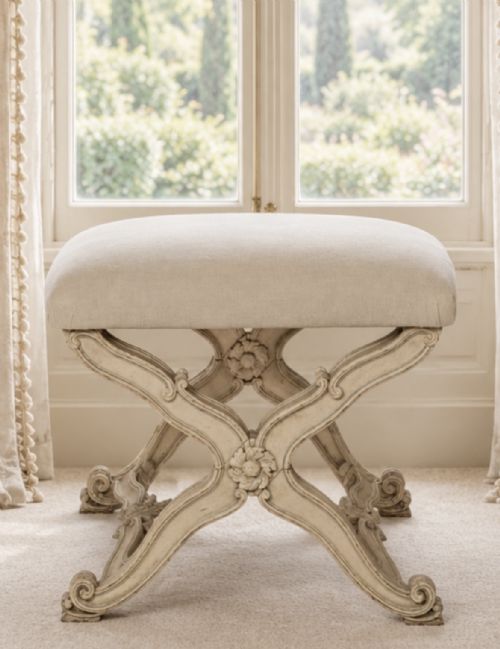
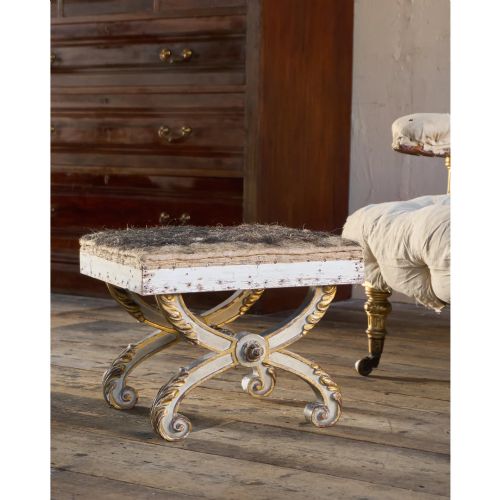
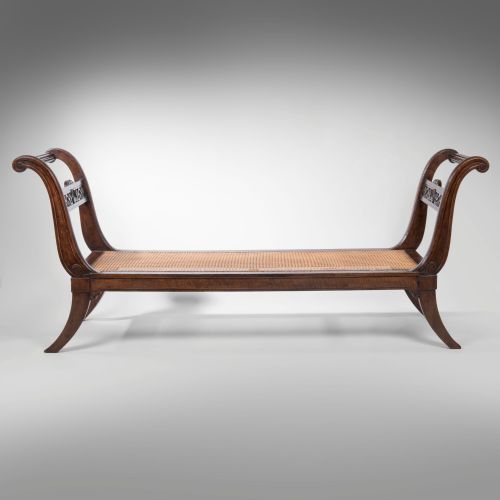
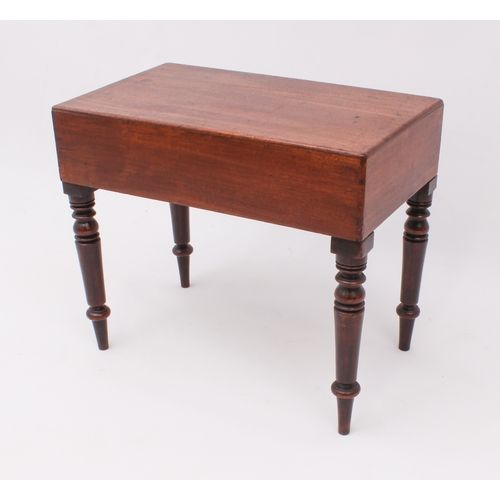
A wooden framed stool provides compact low seating or foot support, drawing on 19th Century and early 20th Century domestic traditions. These pieces encompass various structural formats including window seats, footstools, and X-frame designs.
The selections span periods from Regency and Victorian eras through to the 1930s, displaying regional English and French influences. Makers utilise timber frames paired with diverse upholstery options.
Buyers most frequently encounter mahogany, walnut, and ebonised wood frames supporting upholstered pads or cane panels. Forms range from simple low footstools to long window seats and folding step ladders.
How they were made
Carpenters constructed the structural frames using dense hardwoods like mahogany, walnut, rosewood, and oak, often joining components with traditional wood joints. Ebonised finishes and gilt highlights appeared on select frames to emulate more costly materials.
Upholstery techniques involved securing fabric, wool, or textile coverings over padded foundations, sometimes incorporating decorative brass elements or carved wooden details. Cane panels were woven directly into specific wooden frames for lightweight utility.
Wooden Framed Stool Retail Price Guide 2026
Typical asking prices for wooden framed stool among the pieces listed under this phrase on Sellingantiques today, from the lower quarter to the upper quarter. They describe what is for sale here now, not the wider market.
Listings feature timber frames in mahogany, walnut, rosewood, and oak, alongside ebonised wood and brass details.
What varies in quality
The refinement of the timber carving and the complexity of the frame geometry dictate the overall standard of each piece. Elaborate X-frame constructions and detailed carved wooden motifs demonstrate greater artisanal labour than plain rectangular frames.
The choice of covering materials, ranging from standard woven textiles to antique kilim and wool, influences the tactile character. Structural integrity relies entirely on the tightness of the original wood joinery.
Miles & Edwards
The Wooden Framed Stool Glossary
- X-frame
- A structural support design formed by two diagonal members crossing in the centre to resemble the letter X. This classical curule form provides inherent stability to folding and fixed stools.
- Ebonised
- Wood treated with a dark stain or finish to imitate expensive ebony. This technique was popular during the Victorian and Aesthetic movement periods.
- Kilim
- A flatwoven textile traditionally utilised as a durable upholstery covering. These patterned wool fabrics appear on mid-19th century footstools.
- Curule
- An ancient chair or stool shape characterised by curved legs crossing in an X configuration. Regency and Victorian makers revived this classical form for grand window seats.
- Cane
- Thin strips of peeled rattan woven into an open mesh pattern for seat panels. This lightweight material provides flexible support on frames from the 1920s.
Wooden Framed Stool: Frequently Asked Questions
What is an X-frame stool?
An X-frame stool uses intersecting diagonal wooden supports to bear weight. This ancient curule design provides robust structural rigidity while maintaining a compact footprint.
Such pieces often date from the Regency and Victorian periods, serving as decorative window seats or portable footstools in formal rooms.
How do I date a wooden stool?
Dating relies on identifying the primary timber species, joinery methods, and stylistic motifs present on the frame. Mahogany and rosewood are typical of mid-19th century cabinet making, whereas lighter oak often points toward 1920s production.
Upholstery materials and secondary decorative elements like ebonising or gilt accents further help narrow the chronological window.
Where were these stools used?
These items functioned as versatile household accessories placed beside fireplaces, beneath windows, or at the foot of beds. Long window seats accommodated multiple sitters in grand reception rooms.
Smaller footstools provided ergonomic support when paired with armchairs in Victorian drawing rooms and libraries.
Can I reupholster a period stool?
Period upholstery can be replaced to match modern interiors while preserving the underlying wooden frame. Many buyers choose traditional fabrics like wool or antique textiles to maintain historical continuity.
Careful attention should be paid to securing the new covering without damaging original wood edges or exposed carvings.