
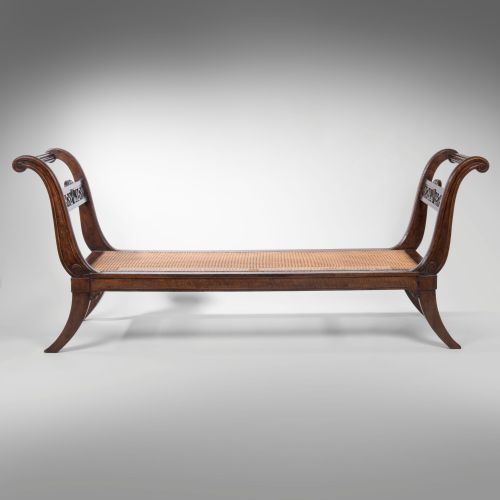


Wooden Framed Bench
A wooden framed bench offers a sturdy timber structure supporting varied upholstery or slats, suiting hallways, gardens, and reception rooms.
Wooden Framed Bench
When searching for a wooden framed bench, buyers encounter a diverse selection of seating forms spanning several centuries. These pieces encompass everything from garden benches and refectory dining pairs to window seats, settees, and large country house sofas.
The selections on this page are predominantly drawn from the nineteenth and early twentieth centuries. Victorian, Edwardian, and Regency examples sit alongside earlier Georgian pieces and French styles.
Framed structures appear in mahogany, walnut, oak, fruitwood, and ebonised wood, frequently paired with fabric, textile, or brass details. Forms range from simple wooden garden seats to elaborately carved mahogany settees and upholstered window stools.
How They Were Made
Cabinet makers utilised dense hardwoods such as mahogany, walnut, and oak to construct stable, weight-bearing frames. Joinery techniques varied from traditional pinned mortise and tenon joints in earlier pieces to precise framing in later nineteenth-century workshops.
Surfaces were finished with hand-carved details, ebonising, or giltwood applications. Upholstered variants combined exposed wooden frames with internal webbing, stuffing, and textile coverings ranging from simple fabric to kilim and patterned cloth.
Some Victorian window stools hide finely carved hunting dog heads right on the wooden frame.
What Varies in Quality
The excellence of a wooden framed bench rests upon the selection of timber and the precision of the joinery. Fine pieces display straight-grained or burr veneers, crisp hand-carving, and robust structural integrity that withstands daily use.
Proportion and stylistic cohesion distinguish finer examples from standard production. Pieces demonstrating thoughtful integration of wood frames with upholstery, brass fittings, or inlaid details command greater attention.
The Wooden Framed Bench Glossary
- Ebonised Wood
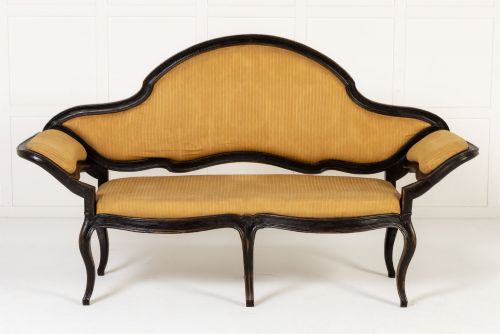
- Timber treated with a dark stain or finish to imitate ebony. This technique was particularly favoured during the Victorian and Aesthetic periods for decorative contrast.
- X-Frame
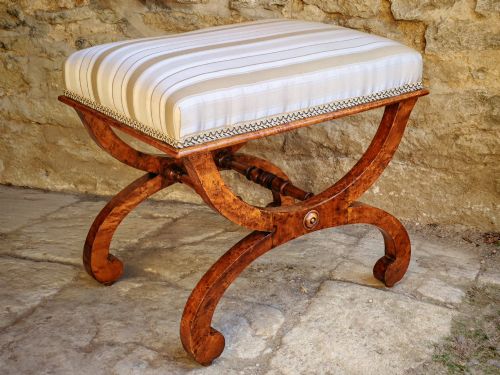
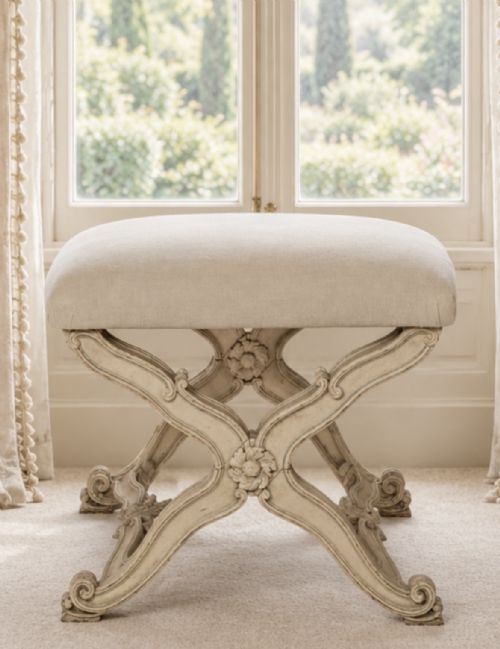
- A seating base constructed from two intersecting curved or straight members forming an X shape. This ancient structural form experienced notable revivals during the Regency and Victorian eras.
- Settee
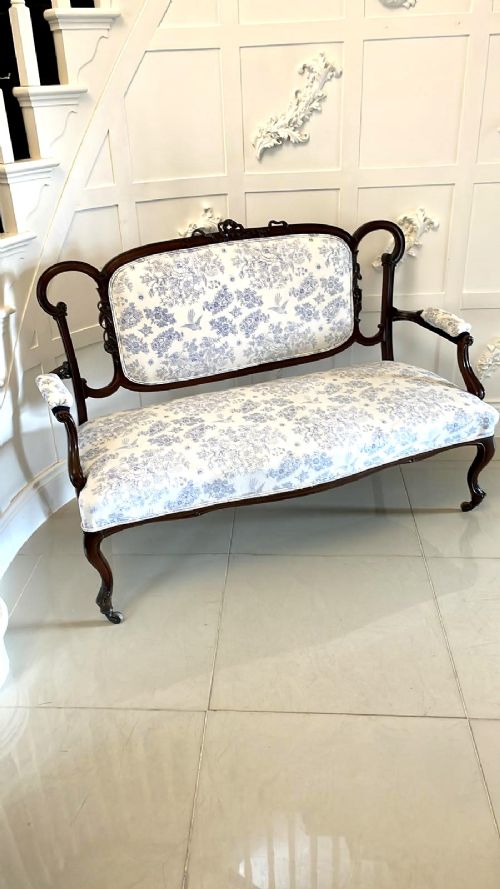
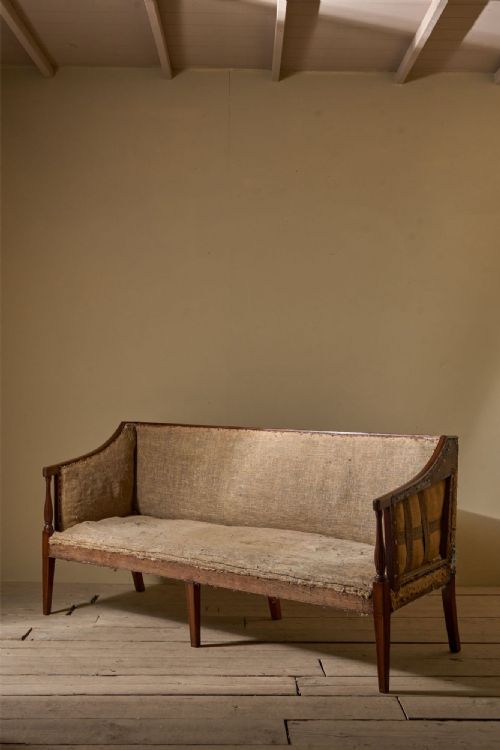
- A long wooden or upholstered seat with a back and arms designed for multiple occupants. These pieces bridge the gap between simple benches and full sofas.
- Window Seat
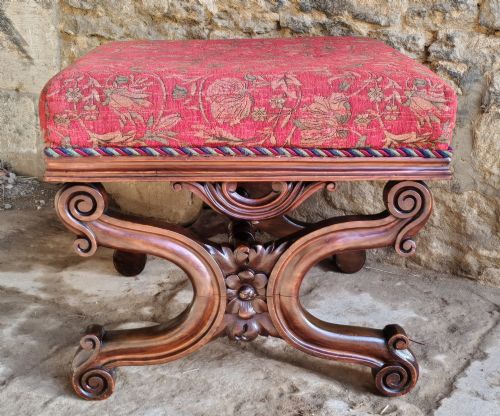
- A narrow bench or stool proportioned specifically to sit beneath a window recess. They frequently feature carved wooden frames and drop-in or fixed upholstered tops.
- Refectory
- A long communal dining table or matching set of benches traditionally used in large halls. In domestic settings, refectory benches provide linear seating alongside dining tables.
Wooden Framed Bench: Frequently Asked Questions
Where should I place a wooden framed bench?
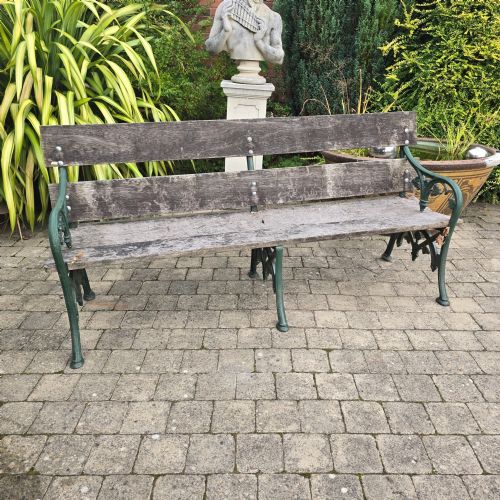
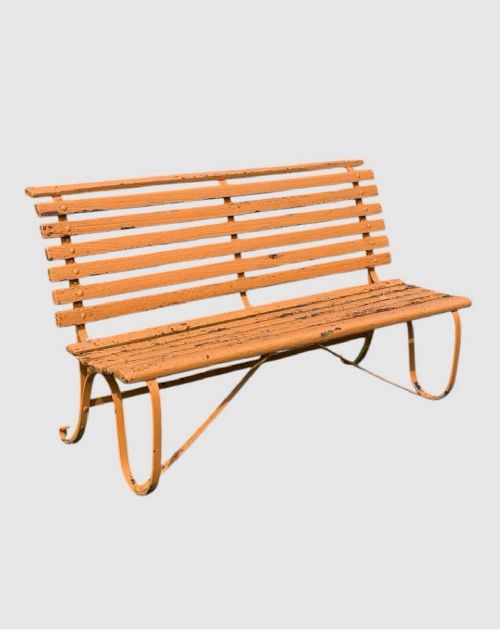
These pieces suit entrance halls, living rooms, and bedrooms depending on their upholstery and scale. Sturdier timber and cast iron versions function well in gardens or covered outdoor patios.
Indoor iterations with fabric or leather upholstery serve effectively as window seats, footstools, or alternative dining seating. Their wooden frames provide enough structural presence to anchor open spaces or narrower corridors.
How do I care for the wooden frame?
Maintain timber frames by dusting regularly with a dry cloth and avoiding excessive moisture. Occasional application of appropriate wax polish helps preserve the finish on hardwoods like mahogany and walnut.
Keep pieces away from direct heat sources and strong sunlight to prevent the timber from warping or splitting. Ebonised and gilt surfaces require gentle treatment without abrasive cleaners.
Can I reupholster an antique bench?
Many pieces are suited for new fabric coverings to match contemporary interiors. Ensure the underlying wooden frame and webbing remain stable before undertaking reupholstery.
Retaining traditional stuffing methods where appropriate helps maintain the original profile of the seat. Professional upholstery preserves both the comfort and the historic integrity of the piece.
How can I tell the period of a bench?
Dating relies on examining the timber species, joinery methods, and stylistic ornamentation. Regency pieces frequently showcase X-frames and classical lines, while Victorian examples often feature heavier carved mahogany or ebonised finishes.
Construction marks, tool traces, and the wear patterns on the wood provide further clues to age. Comparing the decorative motifs, such as Aesthetic Movement influences or Edwardian inlay, helps narrow down the decade.