


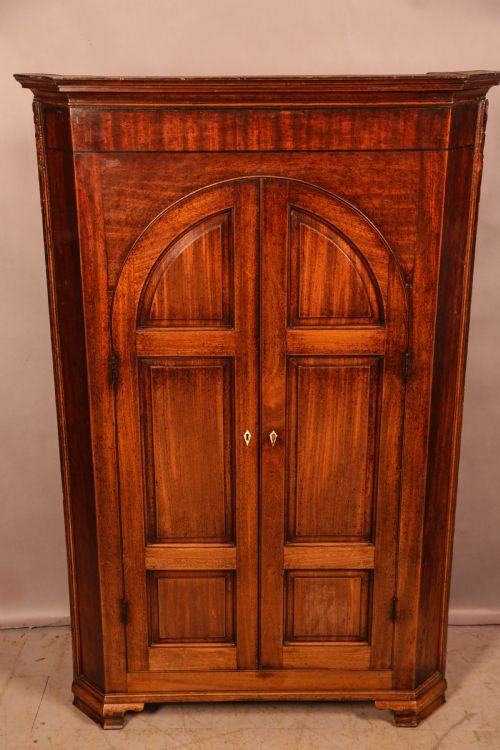


Wooden Floor Cabinet
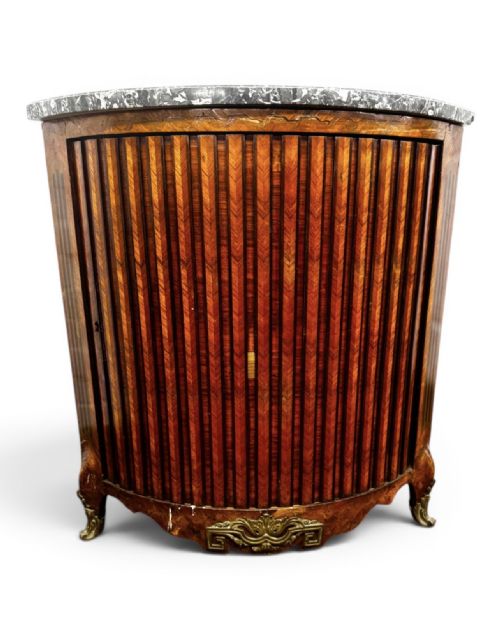
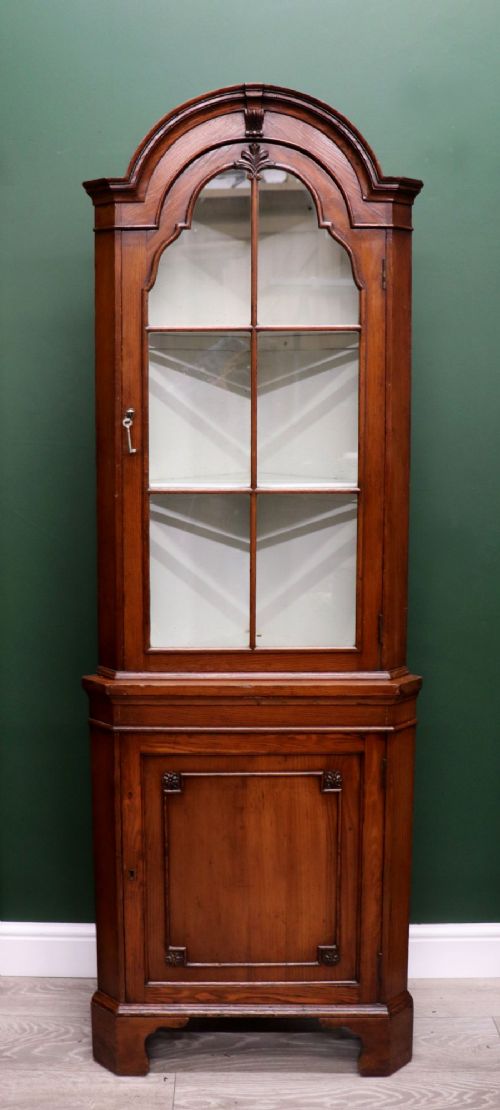
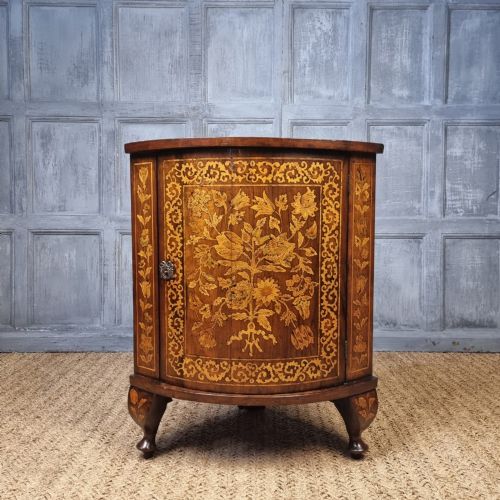
These wooden floor cabinets are substantial room pieces in oak, mahogany and walnut that anchor a corner and store your volumes or display your china.
Wooden Floor Cabinet
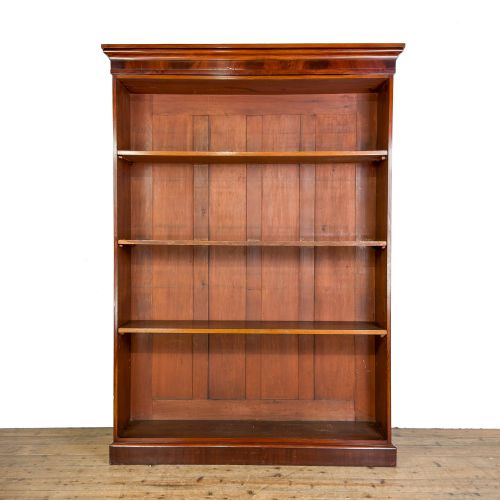
A wooden floor cabinet brings height and storage to an unused room angle, standing directly on the floor rather than hanging upon a wall. The pieces collected under this search phrase span corner cupboards, tall bookcases, display cabinets and book presses.
You will most frequently meet corner cabinets and cupboards standing tall in mahogany or oak, often dating from the Georgian and Victorian periods. These tall architectural forms turn awkward angles into useful display and storage space.
How they were made
Cabinet makers relied upon dense timbers such as mahogany, oak and walnut, frequently building upright carcass frames with fielded panels. Marquetry in boxwood and fruitwood occasionally embellishes the outer doors, particularly on Dutch and 18th century examples.
Glazed doors utilise thin timber glazing bars to hold individual glass panes, while brass hinges and key escutcheons secure the doors. Heavy brass hardware and fitted internal shelving complete the construction of these floor standing pieces.
Wooden Floor Cabinet Retail Price Guide 2026
Typical asking prices for wooden floor cabinet among the pieces listed under this phrase on Sellingantiques today, from the lower quarter to the upper quarter. They describe what is for sale here now, not the wider market.
What varies in quality
Quality rests upon the selection of timber grain, the precision of the mitre joints and the depth of the carved or inlaid ornament. A superior cabinet displays carefully matched mahogany veneers or rich figuring in the oak.
The sophistication of the cornice mouldings and the proportion of the panel work distinguish finer architectural commissions from simpler country furniture. Original brasswork and well fitted panel doors also elevate the standing of a piece.
The Wooden Floor Cabinet Glossary
- Marquetry
- Decorative patterns formed by inserting thin slices of coloured wood, boxwood and fruitwood into a contrasting timber veneer. This technique appears on Dutch and 18th century cupboards.
- Glazing bar
- A narrow strip of wood that holds individual panes of glass within a cabinet door. These bars create geometric patterns across display bookcases.
- Fielded panel
- A wooden panel with bevelled edges that reduces in thickness toward the centre, set within a heavier frame. This construction allows the timber to expand and contract naturally.
- Bow front
- A convex curved cabinet front that projects outward in a smooth arc. This shape softens the angular geometry of a corner or wall unit.
Wooden Floor Cabinet: Frequently Asked Questions
Where should I place a wooden floor cabinet?
Many of these pieces are designed specifically to slot into unused room corners, making them efficient for smaller spaces. Taller bookcases and display units also anchor flat walls effectively.
Ensure the floor is level so the doors hang true and latch properly against the frame. Keep them away from direct heat sources to protect the polished timber.
How do I tell a Georgian cabinet from a Victorian one?
Georgian cabinets often display simpler, balanced proportions with restrained mahogany or oak construction. Victorian examples frequently incorporate heavier mouldings, darker finishes and occasionally glazed doors with more intricate bars.
Construction details on the interior shelving and backboards also help indicate the period. Oak and mahogany remain consistent across both eras.
What is the difference between a corner cupboard and a display cabinet?
Corner cupboards usually feature solid wooden panel doors that conceal storage shelves within. Display cabinets substitute solid wood for glass doors to showcase books or ceramics.
Both stand directly upon the floor to utilise room height. Display versions often include adjustable internal shelving for varied collection items.
How do I care for the wood finish?
Dust the timber regularly with a soft, dry cloth to prevent grit accumulation on the polish. Avoid silicone sprays which can damage antique polish over time.
Feed the dry wood periodically with a suitable wax to maintain the lustre of the mahogany, walnut or oak. Consistent indoor humidity prevents the timber panels from splitting.