
Wooden Extension Table
A wooden extension table provides the adaptable surface needed for family dining while bringing period character into the room.
Wooden Extension Table
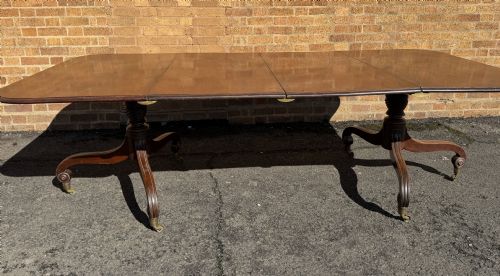
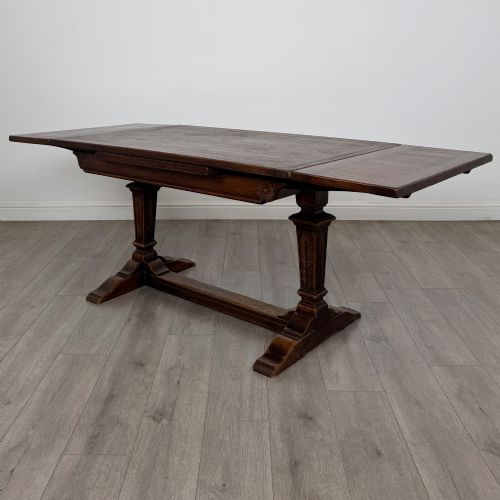
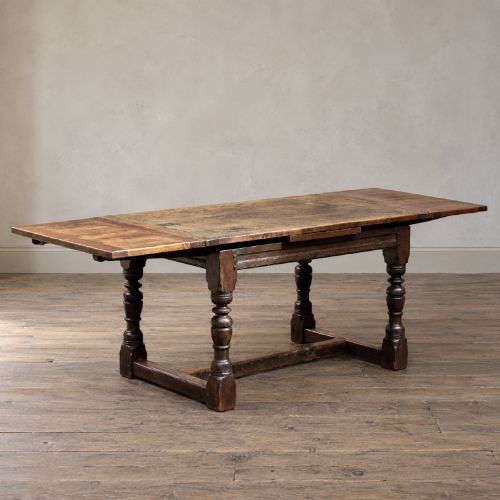
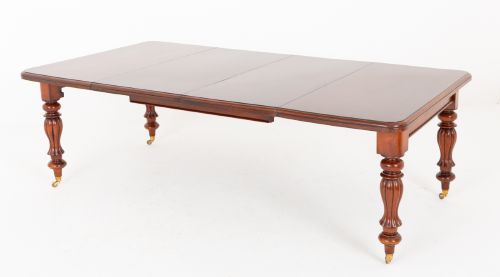
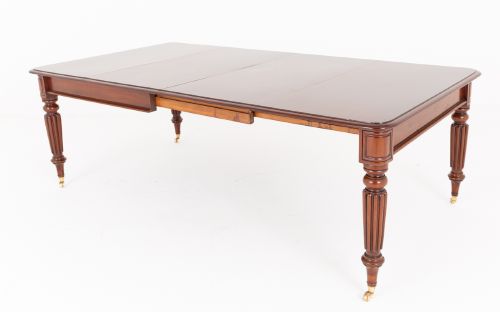
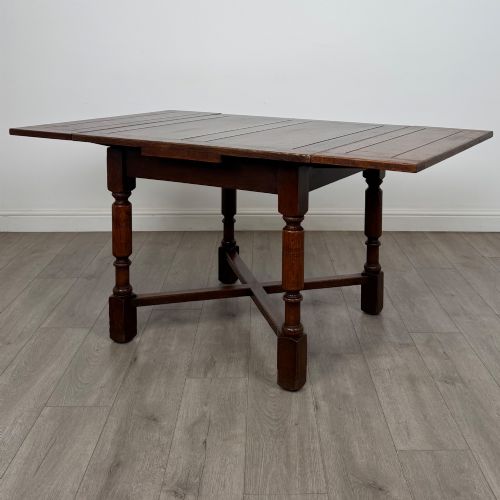
A wooden extension table spans multiple centuries, bringing together practical dining furniture from the 17th century through to the 20th century. Buyers searching for a wooden extension table encounter formats ranging from early oak gateleg and refectory draw leaf designs to formal mahogany pedestal tables from the Regency and Victorian eras.
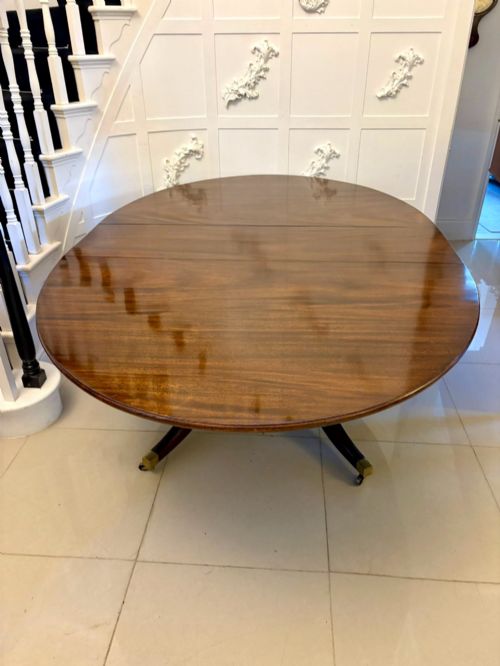
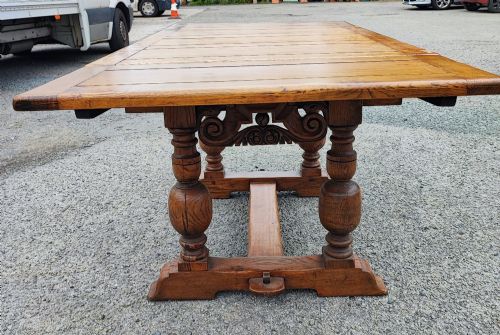
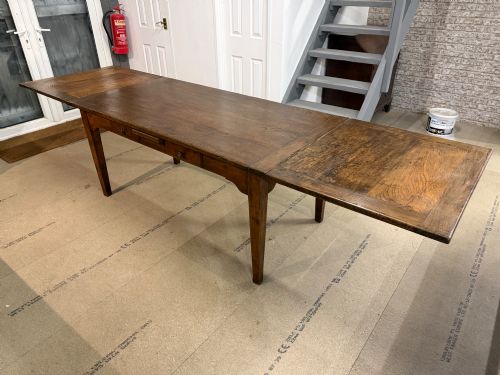
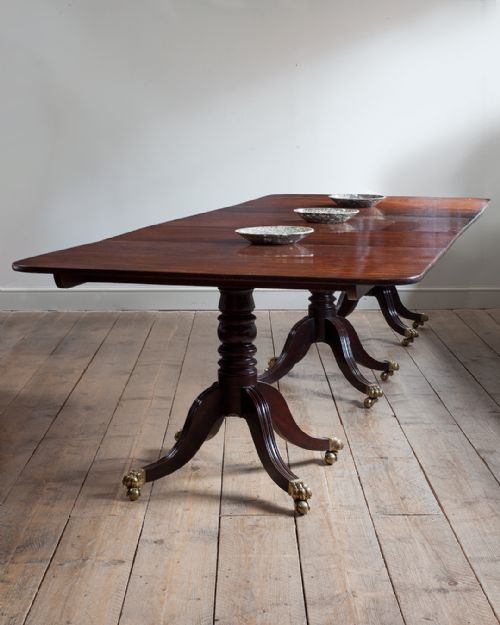
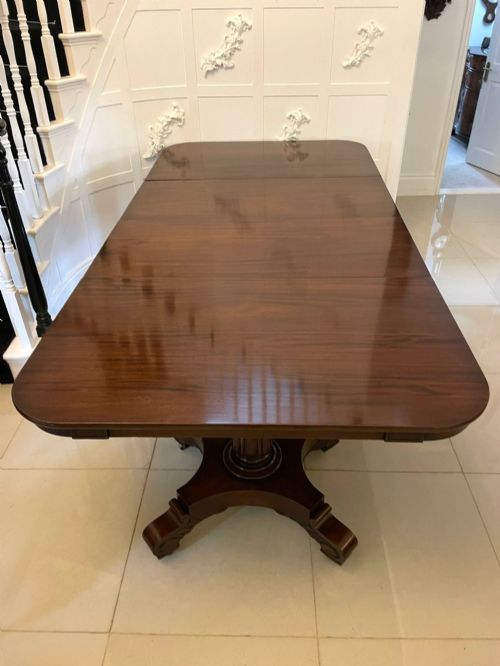
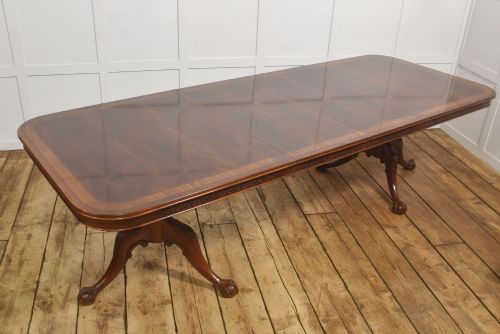
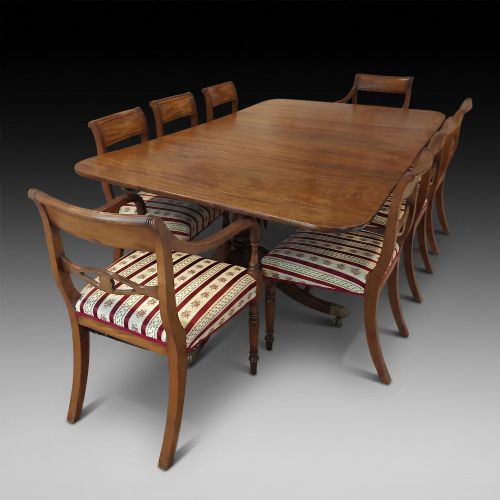
The versions most frequently met on this page include mahogany twin and triple pedestal tables alongside oak draw leaf dining tables. These pieces accommodate daily meals and larger gatherings by utilising leaves, pull-out extensions, or wind-out mechanisms.
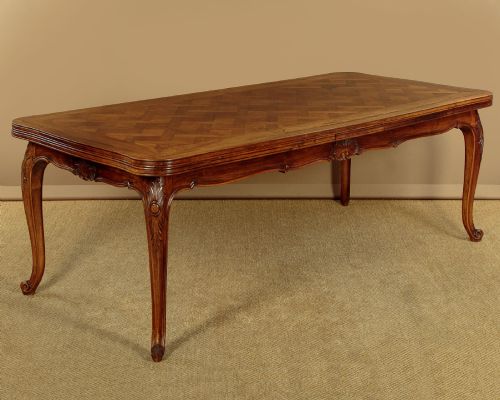
Origins stretch across English country house styles, French provincial pieces, and revival designs spanning George III, George IV, and William IV periods. Pieces appear in formats suitable for compact settings as well as large dining suites.
Markers of standard
The distinction between tiers rests upon the selection of timber and the precision of the extending mechanism. Superior examples display carefully matched figured mahogany or well-seasoned oak boards that maintain alignment and level surfaces when fully extended.
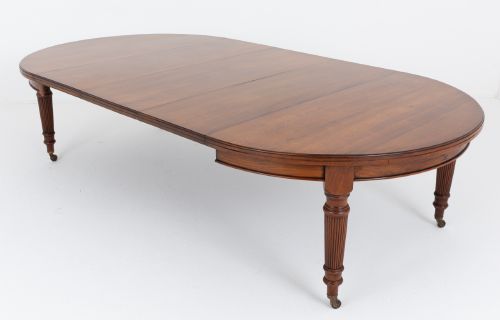
Underframe stability and the smoothness of the draw or wind-out action separate standard utility furniture from finer dining tables. Original brass castors, solid pillar supports, and restrained carved details indicate a higher grade of workshop production.
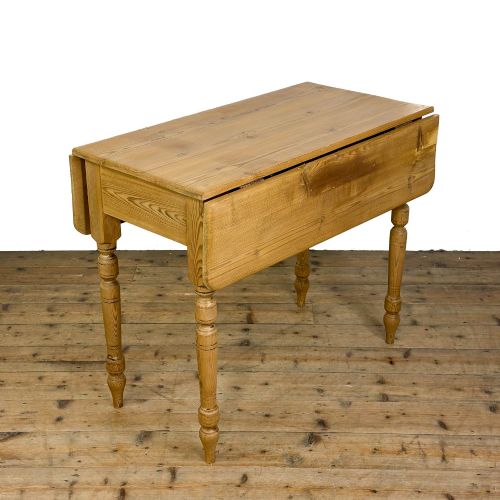
Table forms include refectory, gateleg, pedestal, drop-leaf, and draw leaf designs across various regional styles.
The Wooden Extension Table Glossary
- Draw leaf table
- A table with self-contained extension leaves stored beneath the main top that pull out from each end to increase surface length.
- Wind-out table
- An extending dining table operated by a detachable crank handle that turns an internal screw mechanism to separate the table halves for inserting loose leaves.
- Gateleg table
- A drop-leaf table with hinged flaps supported by hinged legs that swing out like a gate to bear the weight of the open leaves.
- Pedestal table
- A table supported by one or more central columns rather than four corner legs, often featuring reeded or carved pillars with splayed legs.
- Refectory table
- A long dining table originating from monastic or communal dining halls, traditionally constructed in oak with sturdy stretcher bases.
Wooden Extension Table: Frequently Asked Questions
How do wind-out extension tables operate?
These tables contain an internal metal screw mechanism linked to a winding crank inserted into the side apron. Turning the handle separates the table top halves evenly to allow the insertion of additional leaves.
Once the leaves are placed in position, turning the handle in the reverse direction draws the sections tightly together to secure the surface.
How can I tell the period of a wooden table?
Dating relies on identifying the primary timber, structural joinery, and stylistic details associated with specific eras. Oak construction with gateleg or refectory frames typically points to 17th or early 18th-century origins, while mahogany pedestal designs frequently indicate Regency or Victorian manufacture.
Hardware such as original brass castors and the construction of the extension mechanism also provide firm chronological indicators.
Can antique extension tables seat large groups?
Many surviving examples are built on large scales, including twin and triple pedestal tables designed to accommodate ten to sixteen diners. These large formats rely on multiple leaves and robust pillar supports to maintain stability across extended lengths.
Checking the dimensions and leaf configurations reveals the maximum seating capacity for hosting.