





Wooden Equestrian Stand
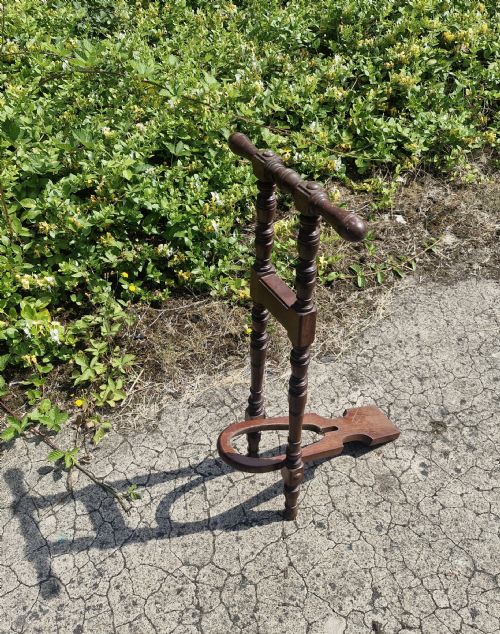
These wooden equestrian stand pieces are robust items of tack room and hallway utility, offering practical storage for boots and riding gear.
Wooden Equestrian Stand
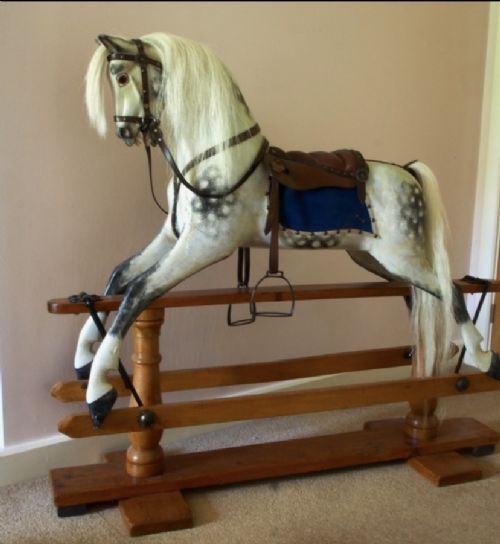
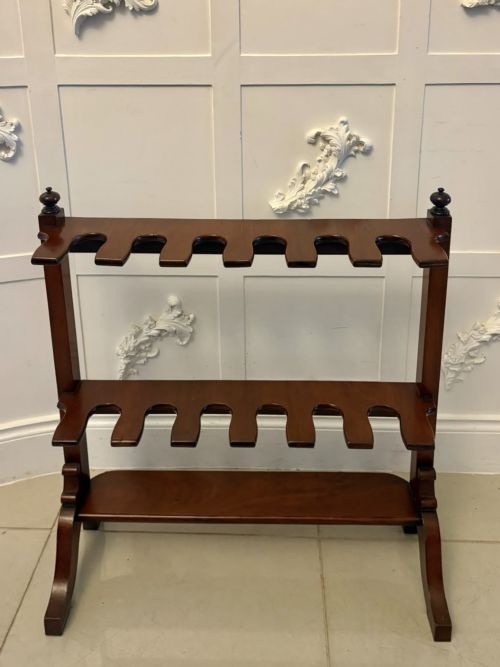
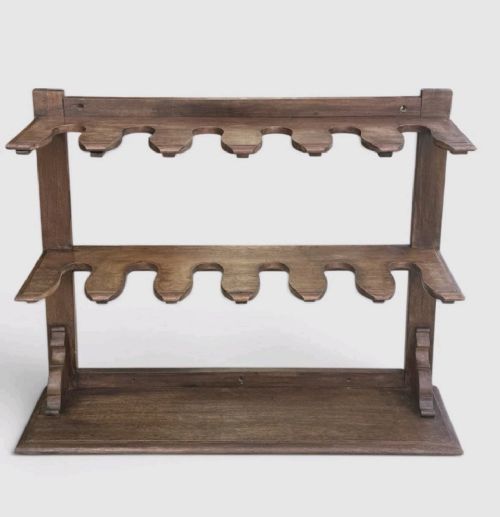
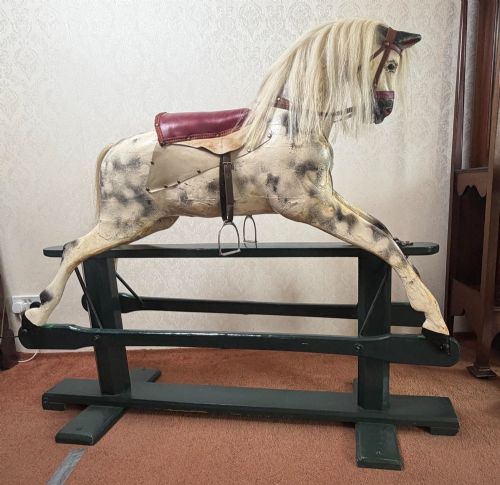
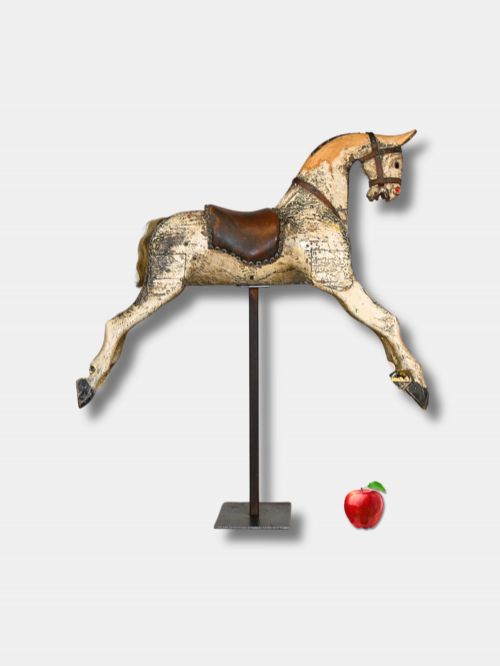
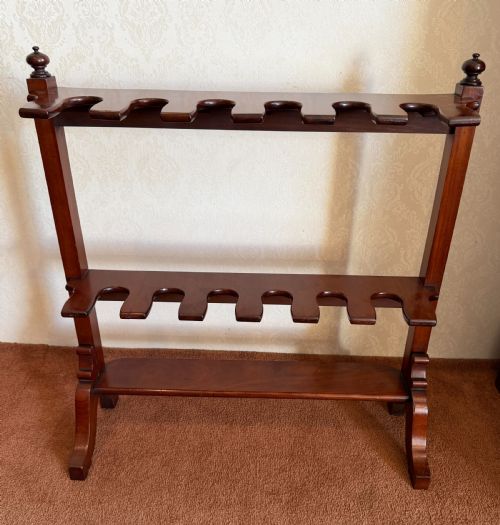
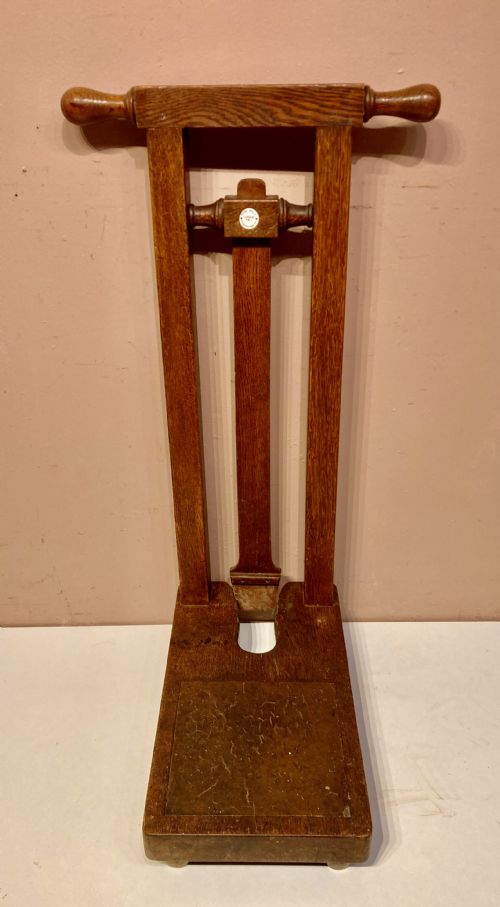
When you search for a wooden equestrian stand, you are looking at items designed for the care and storage of riding gear and footwear. The selection spans from boot jacks and racks to saddle racks and rocking horses.
You are most likely to meet Victorian and 19th-century examples fashioned from mahogany and oak. These pieces range from simple hallway boot jacks to substantial hall stands and rocking horses on original stands.
Originating largely from country houses and English workshops, these items served practical domestic and stable functions. Today, they furnish entrance halls and studies with direct links to equestrian heritage.
Materials and Construction
Makers utilised dense hardwoods such as mahogany, oak, and walnut to withstand the heavy daily use associated with riding footwear and tack. These timbers were selected for durability and finished with polished surfaces or left in original paint.
Metal components in iron and brass provided essential reinforcement, seen in hooks, hinges, and mounts on boot jacks and hall stands. Leather and horsehair occasionally appear as integrated elements in seating or tack storage.
Hand carving distinguished finer items, particularly rocking horses and decorative details on country house boot jacks. Joinery was robust, designed to support heavy riding boots and the motion of children's toys.
Wooden Equestrian Stand Retail Price Guide 2026
Typical asking prices for wooden equestrian stand among the pieces listed under this phrase on Sellingantiques today, from the lower quarter to the upper quarter. They describe what is for sale here now, not the wider market.
Listings feature oak and mahogany predominantly, spanning the Georgian period through to the 1930s.
Factors of Quality
The choice of timber and the depth of carving define the superior examples in this category. Dense mahogany and figured oak with clean, hand-carved details separate utilitarian items from finer pieces made for prominent country house spaces.
Originality of surface and hardware determines distinction. Pieces retaining their original paint, brass mounts, and working folding mechanisms hold greater integrity than those with replaced fittings or stripped finishes.
G J Lines·Tom Hill·Collinsons
The Wooden Equestrian Stand Glossary
- Boot Jack
- A small device used to pull off riding boots without bending down. Typically constructed from wood with a shaped V-cut for the heel.
- Hall Stand
- A piece of hallway furniture combining storage hooks for coats and hats with racks or trays for umbrellas and boots.
- Rocking Horse
- A children's toy carved from wood mounted on safety bows or a swinging stand. Popular examples date from the Victorian and Edwardian eras.
- Saddle Rack
- A wall-mounted or freestanding wooden fixture shaped to support the underside of a saddle. Used historically in stables and tack rooms.
- Book Slide
- An adjustable desk accessory for holding books upright. Often fashioned from matching furniture timbers with decorative mounts.
Wooden Equestrian Stand: Frequently Asked Questions
Where were these stands used?
These items were typically positioned in entrance halls, boot rooms, and stable blocks. They served as immediate drop-off points for muddy riding boots and heavy outdoor garments.
In domestic settings, smaller boot jacks and hall stands transitioned from utility spaces into front hallways. They provided practical organisation for visitors entering the country house.
How do I maintain wooden items?
Keep wooden stands away from direct heat sources and significant humidity fluctuations to prevent timber splitting. Regular dusting and occasional application of appropriate wax maintain the finish.
Avoid excessive moisture on unsealed wood surfaces, particularly on older boot jacks exposed to outdoor mud and water during historical use.
What woods were commonly used?
Mahogany and oak predominate across the selection, prized for their strength and resistance to heavy wear. Walnut also appears on specific folding boot jacks and hall furniture.
Secondary woods were occasionally utilised for internal framing, while brass and iron provided durable structural reinforcement where boots and tack made contact.
How are periods identified?
Periods are determined through construction methods, timber choice, and stylistic markers such as Victorian foliate carving or Regency turnings. Brass hardware styles also offer reliable dating clues.
Original paint surfaces and Maker signatures, where present, help anchor pieces to specific decades like the late nineteenth century.