





Wooden Elephant Table
A wooden elephant table brings character and carved detail into a room, offering a functional surface supported by sturdy animal forms.
Wooden Elephant Table
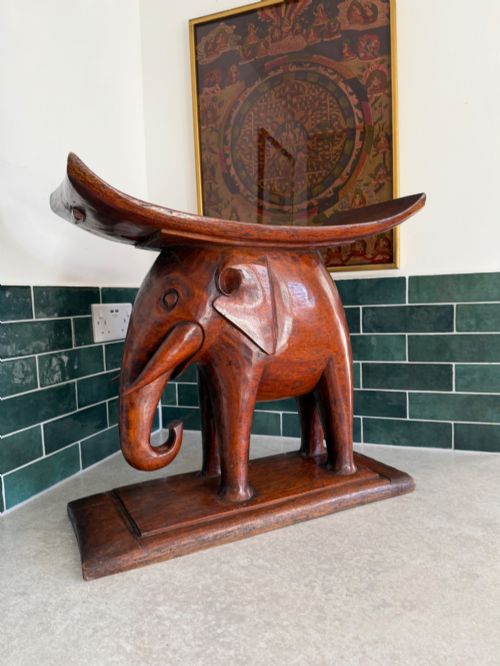
A wooden elephant table serves as a functional surface, encompassing side tables, occasional tables, centre tables, and coffee tables. When exploring a wooden elephant table, a buyer typically encounters pieces originating from the late nineteenth century through to the early twentieth century.
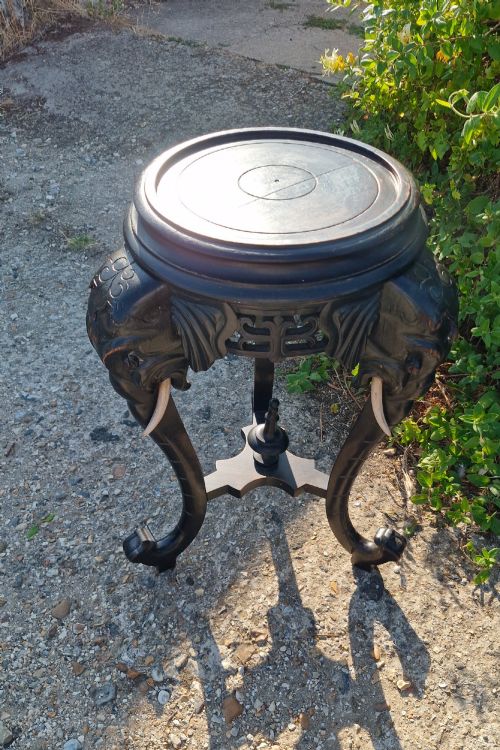
These items frequently display regional colonial aesthetics, including Anglo-Indian, Anglo-Burmese, and Qing Dynasty influences. Forms range from compact tripod stands to larger octagonal and rectangular formats, often incorporating sculpted elephant heads and tusks into the support structure.
How they were made
Craftsmen utilised dense timbers such as teak, rosewood, and general carved hardwood to construct these tables, ensuring durability and a stable weight. Many examples integrate detailed hand carving into the legs and aprons, depicting animal anatomy alongside traditional foliate motifs.
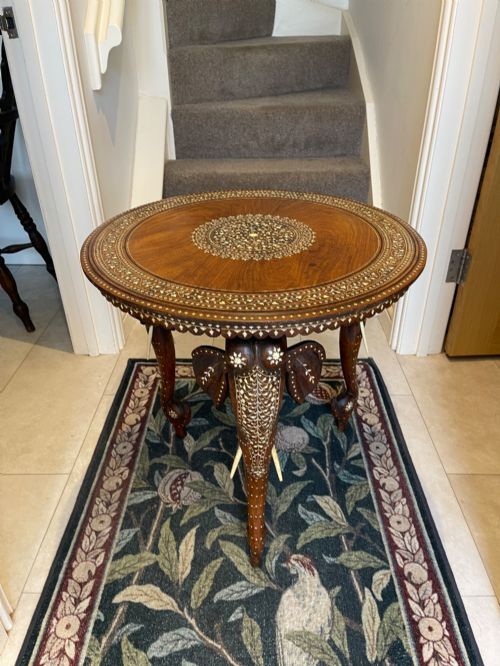
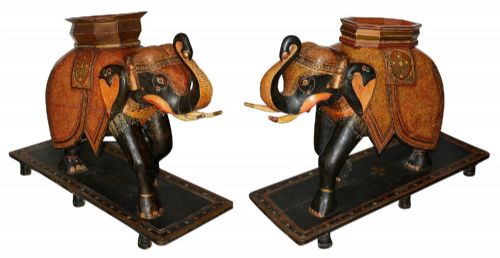
Additional surface enrichment involves bone inlay and bone details, alongside painted elements or lacquer work on select regional variations. Joinery methods reflect the period of production, uniting solid timber tops with sculpted bases.
Wooden Elephant Table Retail Price Guide 2026
Typical asking prices for wooden elephant table among the pieces listed under this phrase on Sellingantiques today, from the lower quarter to the upper quarter. They describe what is for sale here now, not the wider market.
Some nineteenth-century makers equipped their wooden elephants with painted wooden tusks, ensuring the beast looks ready for a parade.
What varies in quality
Selection of primary timber and the intricacy of secondary decorative treatments, such as bone inlay work, separate standard regional production from more ambitious examples. Structural integrity and the harmony between the tabletop and the supporting elephant figures also determine overall execution.
The Wooden Elephant Table Glossary
- Anglo-Indian
- A design style produced during the British colonial period in India, combining traditional local craftsmanship with British furniture forms. It frequently utilises dense hardwoods and elaborate carving.
- Bone Inlay
- A decorative technique where small pieces of bone are set flush into the wooden surface to create geometric or floral patterns. This method appears on specific regional occasional tables.
- Hoshiarpur
- A region in Punjab known for intricate woodwork and inlay traditions. Tables from this area often feature complex geometric patterns executed in wood and bone.
- Tripod Table
- A small standalone table supported by three legs. In this context, the three legs take the form of carved elephants.
- Rosewood
- A heavy, durable timber prized for its rich grain and deep colour. It provides a strong foundation for detailed carving.
Wooden Elephant Table: Frequently Asked Questions
How are wooden elephant tables used?
These pieces function primarily as occasional tables, side tables, or coffee tables within living spaces. Their sturdy wooden construction provides a reliable surface for lamps, books, or decorative objects while adding sculptural interest to a room.
Beyond surface utility, many owners use them as plant stands, pedestals, or standalone decorative accents. Their distinctive animal forms allow them to serve as focal points in traditional and eclectic interiors alike.
How do I identify an Anglo-Indian table?
Anglo-Indian tables are typically characterised by dense tropical hardwoods such as teak or rosewood, combined with intricate, deep-relief carving. You will often find motifs depicting foliage, geometric patterns, or animal figures integrated into the structure.
Many examples from this tradition incorporate regional techniques such as bone inlay or originate from specific production centres like Hoshiarpur or the Bombay Presidency. Examining the joinery and timber weight helps confirm the nineteenth or early twentieth-century period.
What periods do these tables date from?
The pieces listed span the late nineteenth and early twentieth centuries, encompassing Victorian, Edwardian, and Art Deco eras. Common production dates cluster around the 1880s, 1890s, and early 1900s.
Items from this timeframe reflect various regional colonial aesthetics, including Anglo-Indian and Anglo-Burmese styles. Dating relies on stylistic markers, timber choice, and traditional manufacturing techniques rather than strict uniformity.
How do I care for inlaid wooden tables?
Inlaid wooden surfaces require gentle maintenance to preserve both the timber and the delicate bone elements. Keep them away from direct heat sources and strong sunlight to prevent the wood from drying out and the inlay from loosening.
Dust the carved areas regularly with a soft, dry cloth rather than using liquid polishes or harsh chemical cleaners. Proper placement in a stable indoor environment protects the structural integrity of the joints and decorative details.