



Wooden Elephant Stand
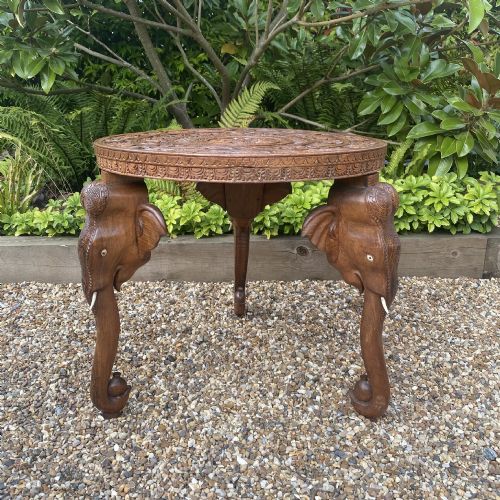
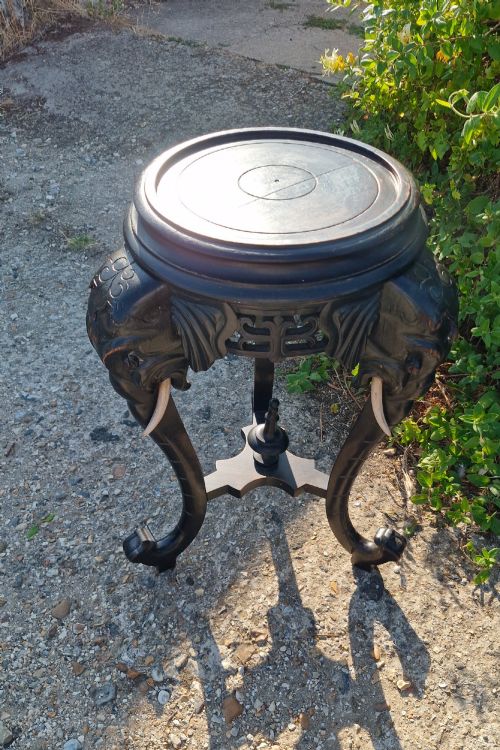
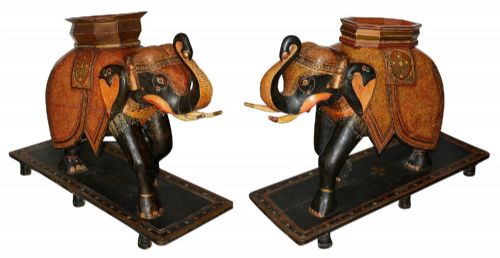
These wooden elephant stand pieces combine utilitarian surfaces with animal sculpture, offering a distinct focal point for a room.
Wooden Elephant Stand
A wooden elephant stand functions as a small surface, pedestal, or sculptural seat shaped or supported by carved elephants. When exploring a wooden elephant stand, buyers encounter pieces originating from nineteenth century Victorian and Edwardian periods, as well as colonial workshops.
The most common formats on this page include occasional side tables, pedestals, and decorative stools featuring carved wooden forms and tusks. These items frequently arrive from Anglo-Indian, Kashmiri, and Chinese traditions spanning the late nineteenth and early twentieth centuries.
How they were made
Workshop production involved joining distinct components like octagonal or hexagonal tabletops to sculptural animal supports. Lacquer finishes and natural wood patination completed the surface treatment of these Asian folk art and colonial pieces.
Wooden Elephant Stand Retail Price Guide 2026
Typical asking prices for wooden elephant stand among the pieces listed under this phrase on Sellingantiques today, from the lower quarter to the upper quarter. They describe what is for sale here now, not the wider market.
Listings feature items from the Victorian, Edwardian, and 19th Century periods, constructed from teak, rosewood, bone inlay, and painted wood.
What varies in quality
The choice of solid timber, such as rosewood or teak, compared to softer painted wood impacts the durability and heft of the object. Precision in the joinery between the top surface and the supporting elephant figures marks the difference between standard and superior work.
The Wooden Elephant Stand Glossary
- Anglo-Indian
- A style describing decorative arts produced in India during the British period, often combining British furniture forms with local carving traditions.
- Hoshiarpur
- A region in Punjab known for intricate woodwork featuring geometric bone inlay set into teak or shisham timber.
- Rosewood
- A heavy, durable tropical timber with a rich grain pattern utilised for fine tables and stands.
- Pedestal
- A structural support or stand designed to elevate plants, sculptures, or decorative objects above floor level.
- Tripod
- A three-legged base construction frequently utilised on small occasional tables and plant stands for stability.
Wooden Elephant Stand: Frequently Asked Questions
How were elephant stands used?
These pieces served primarily as occasional tables, plant stands, or decorative pedestals within nineteenth and early twentieth century domestic interiors. Their flat tops held lamps, ornaments, or foliage while the sculptural base added a decorative element to reception rooms.
Beyond functional surfaces, certain variations functioned as low seats or sculptural floor pieces. Their compact footprints allowed them to fit easily into corners or beside chairs.
How do I date a wooden elephant stand?
Dating relies on examining the timber species, construction methods, and stylistic markers recorded in the evidence from the Victorian, Edwardian, and late nineteenth century periods. Regional styles such as Anglo-Indian or Kashmiri carving traditions provide further clues regarding the era of manufacture.
Hand-cut joints and period-specific decorative motifs like bone inlay help distinguish older nineteenth century examples from later twentieth century items. Comparing the patination and wear on the wood offers additional confirmation of age.
What woods were used for these stands?
Makers utilised dense Asian timbers including solid rosewood, teak, and general carved hardwood. These heavy woods provided the structural strength required to support tabletops while permitting deep, intricate hand carving.
Some pieces also incorporated painted wood surfaces, lacquer, and bone elements to highlight specific details like tusks. The choice of material often reflects the regional workshop origin of the item.
How do I care for an antique stand?
Maintenance requires keeping wooden surfaces away from direct heat sources and fluctuating humidity to prevent timber splitting or warping. Gentle dusting with a dry cloth preserves the original polish and intricate hand-carved details without damaging the wood.
Avoid using harsh chemical polishes that can degrade older lacquers or loosen bone inlay elements. Periodic conditioning with appropriate wood wax maintains the lustre of dense timbers like teak and rosewood.